Dabur's quarterly update, released on July 3, 2026, highlights that both rural and urban segments are contributing to growth. However, the rural market is proving to be particularly resilient, which is crucial for Dabur as a significant portion of its product portfolio is tailored for rural and semi-urban…
India — Dabur India Ltd. has announced its expectations for double-digit revenue growth in the first quarter of 2026, attributing this positive outlook to a surge in rural demand that continues to outpace urban markets. The company reported that consumer sentiment remains strong, despite challenges posed by geopolitical tensions and inflation in some key areas.
Dabur’s quarterly update, released on July 3, 2026, highlights that both rural and urban segments are contributing to growth. However, the rural market is proving to be particularly resilient, which is crucial for Dabur as a significant portion of its product portfolio is tailored for rural and semi-urban consumers. According to the Economic Times, this growth is further supported by the company’s strong performance in health and personal care segments, with products like hair oils and shampoos expected to deliver high-teens growth, reflecting a robust demand for essential goods in these markets.
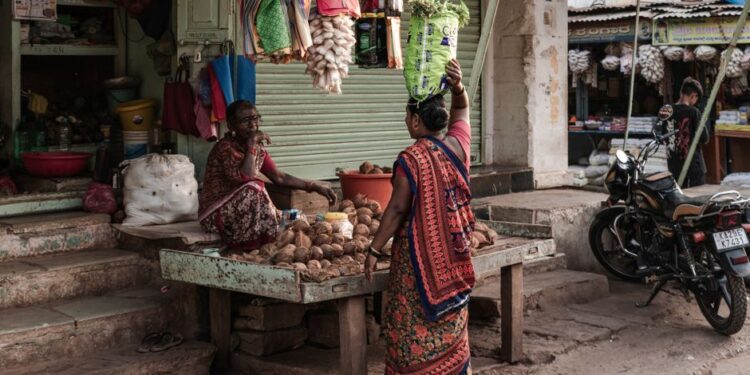
Rural Demand: A Key Growth Driver
Career Ahead’s analysis finds that rural demand is becoming a pivotal factor in the growth strategies of FMCG companies. Dabur’s strong performance in rural markets suggests a shift in consumer behavior, where rural consumers are increasingly prioritizing health and wellness products. This trend is reflected in the expected high-teens growth in hair oils and shampoos, which are staples in rural households. The company’s healthcare segment is also anticipated to show significant growth, with products like Hajmola and Isabgol expected to perform well. The emerging channels, including e-commerce and quick commerce, are set to report strong double-digit growth, indicating that FMCG companies must adapt their marketing strategies to reach these consumers effectively.
Moreover, the Economic Times notes that the company’s portfolio, which includes health, oral care, hair care, and beverages, has a strong rural and semi-urban reach, making it well-positioned to capitalize on this demand. As rural consumers become more discerning and brand-conscious, Dabur’s focus on product innovation and quality will likely pay off. The introduction of new herbal products and the expansion of its existing lines, such as the Meswak toothpaste brand, are examples of how Dabur is responding to changing consumer preferences. This adaptability is crucial as rural markets evolve and consumers seek products that align with their health and wellness aspirations.
India's IT sector is undergoing significant changes in its bench policies, impacting job security and project allocation for IT professionals. Major firms are tightening their…
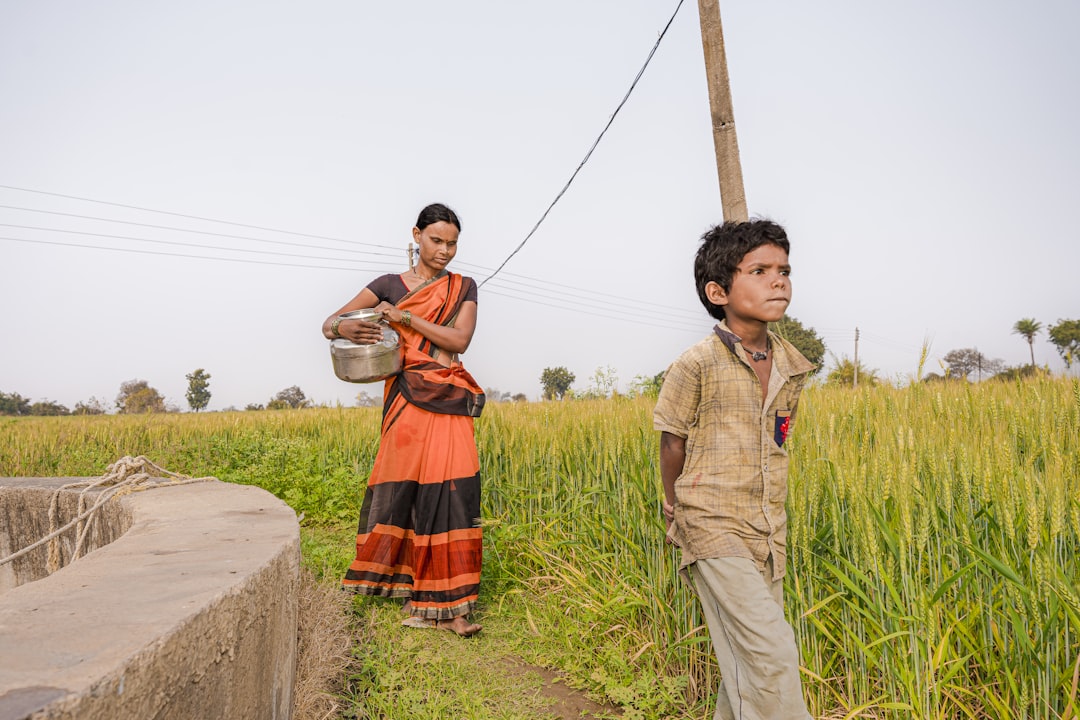
Rural Demand: A Key Growth Driver
Career Ahead’s analysis finds that rural demand is becoming a pivotal factor in the growth strategies of FMCG companies.
Furthermore, the company’s Project Saksham, aimed at optimizing distribution and route-to-market strategies, is showing early positive signs. This initiative is crucial for enhancing Dabur’s reach in rural areas, where traditional distribution networks may not suffice. By leveraging local partnerships and technology, Dabur is enhancing its last-mile delivery capabilities, which is critical in rural areas where access can be a challenge. This strategic move not only improves efficiency but also ensures that products reach consumers in a timely manner, thereby reinforcing brand loyalty.
Adjusting Supply Chains for Rural Markets
To capitalize on the growing rural demand, FMCG companies like Dabur must make significant adjustments to their supply chains. The challenges of reaching rural consumers, who often reside in remote areas, require innovative logistics solutions. Career Ahead research identifies that optimizing supply chains for rural markets can lead to improved service levels and reduced costs. Dabur’s distribution strategy emphasizes the importance of local partnerships and leveraging technology to streamline operations. The company has been focusing on enhancing its last-mile delivery capabilities, which is critical in rural areas where access can be a challenge. This approach not only improves efficiency but also ensures that products reach consumers in a timely manner.
Additionally, the rise of e-commerce and modern trade channels presents additional opportunities for FMCG companies. By embracing digital platforms, Dabur can expand its reach and cater to the growing number of rural consumers who are increasingly shopping online. This shift in consumer behavior necessitates a reevaluation of traditional supply chain models to incorporate digital solutions. The Economic Times highlights that the growth of e-commerce has enabled companies like Dabur to reach consumers who may not have access to traditional retail outlets, particularly in rural areas where internet penetration is rising.
The ability to adapt supply chains to meet the needs of rural markets will be a significant factor in determining the success of FMCG companies. As rural demand continues to rise, those that can efficiently manage their supply chains will likely gain a competitive advantage. The integration of technology in logistics and distribution will be paramount, as it allows for better tracking of inventory and more responsive supply chain management. In conclusion, the evolving landscape of rural demand presents both challenges and opportunities for FMCG companies. The need for flexible and responsive supply chains will be paramount as companies strive to meet the expectations of rural consumers.
Neelkanth Mishra, World Bank Group Executive Director, discusses the challenges posed by rising fuel costs and tightening financial conditions on global economies, particularly India.
The ability to adapt supply chains to meet the needs of rural markets will be a significant factor in determining the success of FMCG companies.
Dabur’s proactive approach to innovation and distribution will likely set a precedent for other FMCG companies looking to tap into the rural market. As the FMCG landscape continues to evolve, the ability to strategically integrate rural demand into overall business models will be critical for sustained growth. The next few quarters will be telling as companies adapt to these changes and respond to consumer needs.



Industry & Global Trends
 Industry & Global Trends