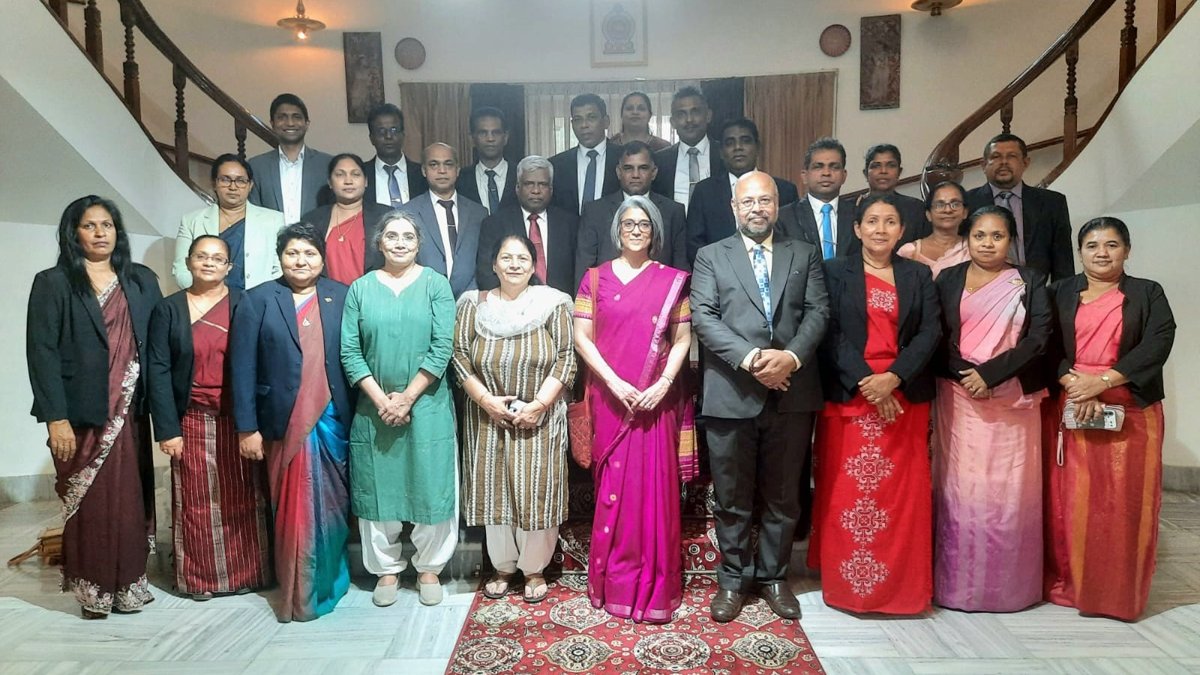
India — Mavis Tak, a 2022-batch IPS officer, is a beacon of hope for aspiring female officers in India. Her journey shows how education and parental support can help overcome societal stereotypes. Mavis achieved an impressive All India Rank of 386 in the UPSC Civil Services Examination 2021, which led to her being allocated to the Indian Police Service (IPS).
Mavis’s story starts with her father, Abdul Karim Tak. He faced criticism for investing in his daughters’ education. Despite the taunts from relatives, he remained committed to providing quality education to Mavis and her two sisters. His decision has paid off, as Mavis now serves as the Additional Superintendent of Police (ASP) in Sonbhadra. This is a significant achievement, as she is the first woman to hold this position in the district.
Breaking Barriers: The Importance of Female Representation in the IPS
In recent years, the number of women in the Indian Police Service has increased. Mavis Tak’s success is part of a trend where more women are taking on roles traditionally held by men. According to Career Ahead’s analysis, the percentage of women in the IPS has risen from 6% in the early 2000s to about 15% in 2026. This change is vital for creating a more inclusive environment in law enforcement.
Having more women in the IPS can change how society views women in leadership roles. Mavis’s appointment as ASP inspires other women and challenges stereotypes about women’s capabilities in law enforcement. Research from Career Ahead shows that when women lead, policing becomes more comprehensive and empathetic. This helps address community needs more effectively. A report by News18 supports this, stating that female officers can better understand community issues, enhancing police effectiveness.
Mavis’s success story resonates with many aspiring female officers. It shows that determination and education can lead to great achievements. Her journey from facing skepticism to becoming an IPS officer encourages young women to pursue their dreams despite societal pressures. The increasing visibility of women like Mavis in law enforcement is crucial for breaking outdated gender norms and promoting equality.
It shows that determination and education can lead to great achievements.
As more women like Mavis Tak join the IPS, the culture within law enforcement will likely continue to evolve. This evolution benefits women and improves police work overall. Communities with more female representation in law enforcement report better relations between the police and citizens, fostering trust and cooperation. Studies show that women in policing often focus on community-oriented approaches, leading to better crime prevention and resolution.
While challenges remain, the growing number of women in the IPS is a positive step toward a more equitable society. These officers pave the way for future generations, sending a clear message: education is a powerful tool for change.
The Role of Parental Support in Education
Mavis Tak’s journey highlights the importance of parental support in education. Abdul Karim Tak’s commitment to his daughters’ education, despite societal taunts, shows how parental encouragement can influence a child’s success. Career Ahead’s analysis finds that families prioritizing education create a supportive environment that fosters ambition and resilience in children. This is especially important in India, where traditional beliefs often favor male education over female education.
Mavis’s story challenges this norm. Her father’s unwavering support proves that investing in daughters’ education can yield remarkable results. Experts argue that educated women contribute to economic growth and social development. Various sources, including Rising Star Public Education, note that fathers play a crucial role in supporting their daughters’ education, breaking down gender barriers and fostering a culture of learning.
Abdul Karim’s decision to support his daughters’ education, despite criticism, shows changing attitudes toward women’s education in India. His actions serve as a model for other parents, illustrating that investing in daughters’ education benefits both individuals and society. Mavis’s determination to succeed, even after setbacks in her UPSC attempts, showcases the importance of resilience. With her father’s support, she adapted her study strategies and ultimately achieved her goal. This narrative reinforces the idea that with the right support system, individuals can overcome obstacles and achieve their aspirations.
Various sources, including Rising Star Public Education, note that fathers play a crucial role in supporting their daughters’ education, breaking down gender barriers and fostering a culture of learning.

As more parents recognize the value of educating their daughters, society is likely to shift. Emphasizing education for girls can create a more informed and empowered generation. This generation can take on leadership roles in various fields. Mavis Tak’s journey reminds us that education is not just a personal achievement but a societal necessity that drives progress and transformation.
In conclusion, Mavis Tak’s journey to becoming an IPS officer shows the profound impact of education and parental support on women’s empowerment. Her story reminds us that investing in daughters’ education can lead to significant societal change and inspire future generations. As we see more women in leadership positions, we must support educational initiatives that empower young girls to pursue their dreams, just as Mavis did.
Frequently Asked Questions
What are the steps to become an IPS officer?
To become an IPS officer, candidates must clear the UPSC Civil Services Examination. This involves three stages: the preliminary exam, the main exam, and the interview. Successful candidates then undergo training at the Sardar Vallabhbhai Patel National Police Academy.
Successful candidates then undergo training at the Sardar Vallabhbhai Patel National Police Academy.
How can parents support their daughters’ education in challenging environments?
Parents can support their daughters’ education by prioritizing schooling, providing study resources, and encouraging their interests. Creating a supportive home environment where education is valued is essential for overcoming societal barriers.

What impact does female representation in law enforcement have on society?
Female representation in law enforcement leads to more empathetic policing and improved community relations. Studies show that communities with female officers report higher levels of trust and cooperation with the police.
Written by Career Ahead AI. AI can make mistakes, so verify key facts. Report errors to support@careeraheadonline.com.