
The University of Michigan has suspended its new grading plan aimed at addressing student mental health concerns after receiving backlash from various critics. The plan, which was set to introduce a pass/fail grading option for freshmen, has faced scrutiny for potentially lowering academic standards and not adequately addressing the needs of students.
This decision comes at a time when mental health issues among students are increasingly prominent. Critics argue that the grading plan, while well-intentioned, could lead to a culture of complacency rather than fostering resilience and academic rigor. The university’s leadership is now tasked with balancing the need for supportive measures with maintaining high academic standards.
Reactions to the Grading Policy Suspension
The halt of the grading plan has sparked a variety of reactions from mental health advocates, university officials, and students alike. Many mental health professionals believe that the initiative was a step in the right direction, aimed at alleviating some of the pressures faced by students in a competitive academic environment. However, they also acknowledge the concerns raised about academic integrity. According to a report by Career Ahead, the backlash primarily centered on fears that the pass/fail system could lead to a decline in student motivation and effort. Critics, including faculty members and some students, expressed concerns that the new grading scheme might inadvertently encourage a lack of accountability among students. They argue that while mental health support is crucial, it should not come at the expense of academic rigor.
Moreover, the New York Times highlighted that the university’s decision was influenced by a broader conversation about how to address what they termed a “mental health crisis” among students. The plan was intended to provide relief but was perceived by some as coddling students, which fueled further criticism. The university’s leadership is now faced with the challenge of finding a middle ground that supports mental health without compromising academic standards.
Furthermore, the university’s decision to suspend the grading plan has raised questions about the future of mental health initiatives on campus. Advocates for student wellness are now calling for a more comprehensive approach that integrates mental health support with academic policies, rather than relying solely on grading changes. This could involve enhancing counseling services, promoting peer support networks, and increasing awareness of mental health resources available to students. The need for such initiatives is underscored by the increasing prevalence of anxiety and depression among college students, which has been exacerbated by the pressures of academic life.
This could involve enhancing counseling services, promoting peer support networks, and increasing awareness of mental health resources available to students.
Career Ahead research shows that universities nationwide are grappling with similar dilemmas, as they seek to create environments that support student well-being without compromising academic standards. The Michigan case is emblematic of a broader trend in higher education, where institutions must navigate the complexities of mental health and academic performance.
Implications for Student Support Services
The suspension of the grading plan at the University of Michigan highlights the need for a reevaluation of student support services. With mental health issues on the rise among college students, university administrators must consider how to effectively support students while also maintaining academic integrity. This situation prompts a critical examination of existing policies and practices. As noted by WILX, the university’s pause on the grading pilot reflects a growing awareness of the need to balance academic expectations with the mental health needs of students.
Career Ahead’s analysis indicates that the current model of academic support may need to evolve. Universities should consider implementing more proactive measures, such as regular mental health check-ins and workshops focused on stress management and resilience building. By integrating these supports into the academic framework, institutions can create a more holistic approach to student well-being. Additionally, academic advisors play a crucial role in this process. They must be equipped with the tools and resources to guide students effectively through their academic journeys, especially during challenging times. This includes being knowledgeable about mental health resources and advocating for students who may be struggling.
The halt of the grading plan also raises questions about how universities can foster a culture that values both academic achievement and mental health. It is essential for institutions to communicate clearly about the resources available to students and to encourage open discussions about mental health challenges. This can help reduce stigma and promote a supportive environment. As universities like Michigan navigate these complex issues, they must remain responsive to the needs of their student populations. The feedback from students, faculty, and mental health advocates should inform future policy decisions to ensure that academic rigor and student wellness are not seen as opposing forces but rather as complementary elements of a successful educational experience.
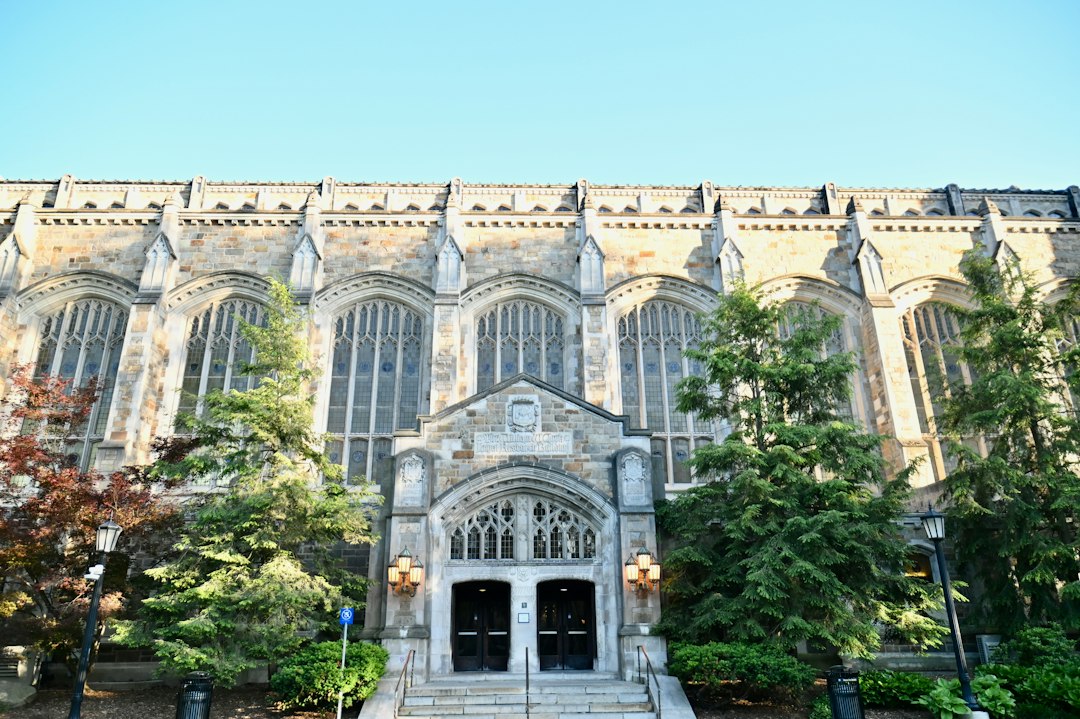
As the University of Michigan reevaluates its grading policies, the implications of this decision will likely resonate beyond its campus. Other universities may take note of the reactions to the halted grading plan and consider their own approaches to grading and student support. The ongoing dialogue surrounding academic standards and mental health is crucial as institutions aim to create environments conducive to learning and growth. Career Ahead’s analysis finds that the recent developments at Michigan could influence how universities across the country approach grading policies in the future. Institutions may begin exploring alternative grading systems that balance academic rigor with the need for mental health support, potentially leading to innovative solutions that address both concerns.
Career Ahead’s analysis finds that the recent developments at Michigan could influence how universities across the country approach grading policies in the future.
The conversation around grading policies is far from over. As universities continue to adapt to the changing landscape of higher education, the need for flexibility and responsiveness to student needs will be paramount. The outcome of this situation may set a precedent for how academic institutions handle similar challenges moving forward. In the coming months, it will be essential to watch how the University of Michigan and other institutions respond to these challenges. The decisions made now could shape the future of academic policies and mental health initiatives for years to come.
Frequently Asked Questions
What are the implications of the halted grading plan for university policies?
The suspension of the grading plan at the University of Michigan raises questions about how universities balance academic standards with mental health support. This situation may prompt other institutions to reevaluate their grading policies and consider integrating mental health initiatives into their academic frameworks.
How can academic advisors support students amid changing grading standards?
Academic advisors can play a vital role by being informed about available mental health resources and advocating for students facing challenges. They should also encourage open discussions about mental health and provide guidance on managing academic pressures effectively.

What should university administrators consider when implementing mental health initiatives?
University administrators must consider the feedback from students, faculty, and mental health advocates when developing initiatives. Balancing academic rigor with student wellness is crucial, and policies should reflect a comprehensive approach to support students in their academic and personal lives.
Written by Career Ahead AI. AI can make mistakes, so verify key facts. Report errors to support@careeraheadonline.com.