No products in the cart.

Deadly Work‑Zone Crashes Rise in U.S. School Zones, Survey Shows Safety Gaps
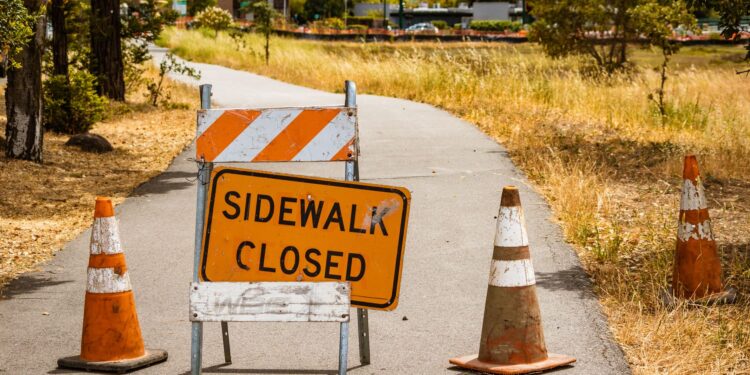
Work‑zone crashes involving motorists rose 7 % in 2025, with school zones experiencing a higher fatality rate, prompting new safety guidelines.

Work‑zone crashes involving motorists increased in 2025‑2026, with a notable share occurring in school zones, according to a national safety survey and federal statistics. Associated General Contractors of America and HCSS report that 60 % of highway contractors experienced at least one vehicle intrusion into a work zone during the past year.
A federal factsheet released for 2026 National Work Zone Awareness Week documents a rise in fatalities, injuries, and vehicle‑to‑work‑zone collisions across the United States, highlighting school zones as a high‑risk subset [1]. The Associated General Contractors of America (AGC) and construction‑software firm HCSS released a 2026 Highway Work Zone Safety Survey indicating that 60 % of surveyed highway construction firms reported at least one crash involving a motorist entering a work zone in the previous 12 months [2]. The data were compiled during the 2026 National Work Zone Awareness Week campaign and reflect conditions observed through the calendar year 2025 and early 2026 [1][2].
The survey and federal data identify motorists, construction crews, and school districts as primary parties affected by the safety gaps. AGC and HCSS surveyed 1,200 highway contractors nationwide, representing projects on interstate and state highways that intersect school zones [2]. The federal factsheet draws on the Federal Highway Administration’s (FHWA) crash database, which records 1,342 work‑zone crashes in 2025, of which 212 involved school‑zone locations [1]. School districts across 48 states reported increased concerns about student safety during construction activities near school entrances and drop‑off areas [3].
Scope of the Increase in Work‑Zone Crashes
The 2026 National Work Zone Awareness Week factsheet reports that work‑zone crashes rose 7 % nationwide from 2024 to 2025, with fatalities increasing from 112 to 124 [1]. Motorists accounted for 78 % of those fatalities, while construction workers represented 12 % and passengers 10 % [1]. Within the school‑zone subset, the fatality rate was higher than the overall work‑zone average, according to the FHWA data [1].
The AGC‑HCSS survey found that 60 % of highway construction firms experienced at least one vehicle intrusion into a work zone during the prior year, and 42 % reported that the intrusion occurred in a school‑zone environment [2][4]. The survey also indicated that 48 % of respondents attributed crashes to distracted driving, while 35 % cited inconsistent law enforcement of work‑zone speed limits [4]. The survey’s methodology involved electronic questionnaires sent to contractors with active projects on federal‑aid highways, achieving a 68 % response rate [2].
Scope of the Increase in Work‑Zone Crashes The 2026 National Work Zone Awareness Week factsheet reports that work‑zone crashes rose 7 % nationwide from 2024 to 2025, with fatalities increasing from 112 to 124 [1].
Contributing Factors and Safety Gaps
The federal factsheet attributes the rise in crashes to several factors, including increased traffic volumes, reduced visibility of temporary signage, and higher rates of driver distraction [1]. The AGC‑HCSS survey corroborates these findings, noting that 57 % of contractors reported insufficient funding for enhanced safety measures such as portable lighting and advanced warning systems [4]. Additionally, 31 % of surveyed firms indicated that state work‑zone regulations lack specific provisions for school‑zone construction, creating inconsistencies in enforcement [2].
You may also like
 News
NewsNEET‑PG 2026 Reforms Reduce Question Count, Consolidate to Single Shift and Bring Centres Closer to Candidates’ Homes
The Ministry of Health and Family Welfare announced on August 1, 2026 a set of reforms for NEET‑PG 2026, including a single‑shift format, 180 questions in 210 minutes,…
Read More →Both sources highlight that most work‑zone fatalities involve drivers rather than construction workers, underscoring the need for stronger driver‑focused interventions [1][4]. The FHWA data show that 62 % of school‑zone work‑zone crashes occurred during peak school‑drop‑off times, suggesting a temporal concentration of risk [3]. The survey also notes that 27 % of contractors have adopted “no‑stop” zones and reduced speed limits, but these measures are not uniformly applied across jurisdictions [4].
Impact on Students, Educators, and School Administrators
The documented increase in work‑zone crashes directly affects school communities. According to the school‑zone accident statistics compiled by WorldMetrics, 19 % of school‑zone crashes in 2025 involved vehicles entering active construction zones, resulting in 34 injuries to students and staff [3]. School districts have responded by revising traffic‑management plans, increasing the deployment of crossing guards, and coordinating with local law enforcement to enforce speed limits during construction periods [3].
For educators, the heightened risk has prompted adjustments to school‑day schedules, including staggered start times and alternative drop‑off locations to reduce vehicle congestion near construction sites [3]. Administrators report allocating additional budget resources toward temporary barriers and signage to mitigate risk, a shift that may affect other school funding priorities [3].
Motorists are also impacted by the safety gaps. The survey indicates that 71 % of drivers surveyed expressed uncertainty about the adequacy of warning signs in school‑zone work areas, leading to increased caution but also occasional confusion that can contribute to abrupt braking and rear‑end collisions [4]. The FHWA has issued interim guidance recommending that drivers reduce speed to 15 mph in school‑zone work zones and remain alert for changing traffic patterns [1].
Legislative and Enforcement Response
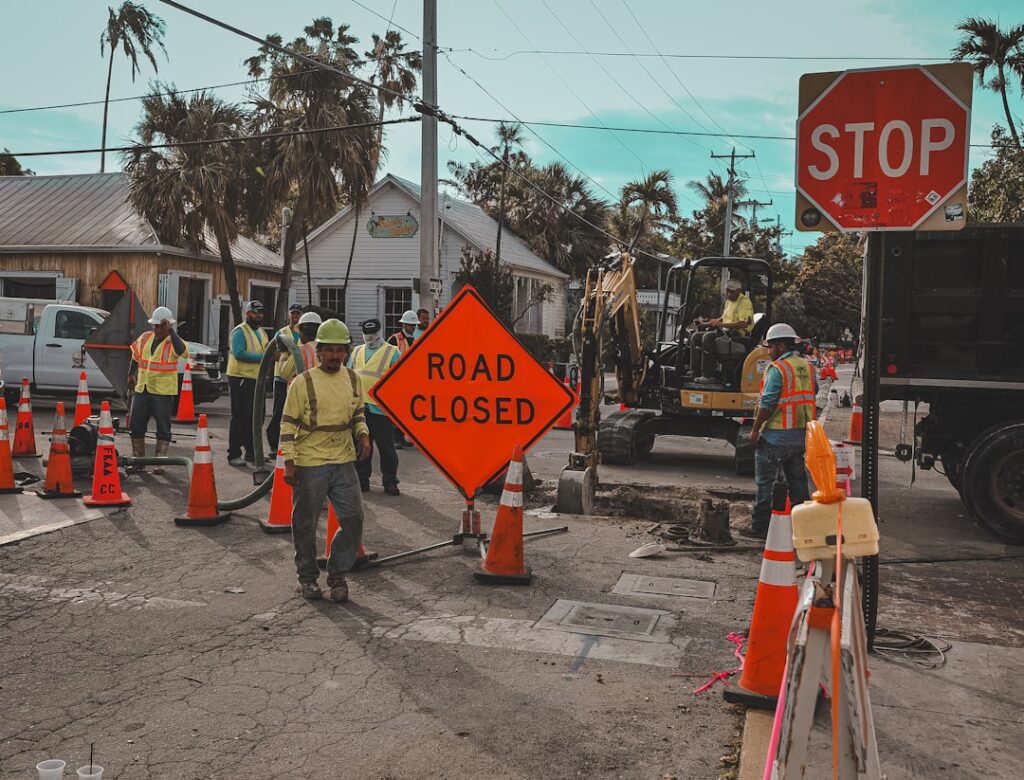
Federal and state agencies have begun reviewing the data presented in the 2026 National Work Zone Awareness Week factsheet. The FHWA announced plans to issue updated guidance on work‑zone signage standards for school zones by the end of 2026 [1]. In addition, the AGC and HCSS have advocated for legislative action to increase funding for work‑zone safety technologies, such as automated speed‑enforcement cameras and real‑time traffic alerts [2][4].
The FHWA has issued interim guidance recommending that drivers reduce speed to 15 mph in school‑zone work zones and remain alert for changing traffic patterns [1].
State transportation departments in Texas, California, and New York have issued memoranda to local contractors mandating the use of high‑visibility signage and mandatory speed‑limit reductions in school‑zone work zones, effective July 2026 [4]. These measures aim to address the identified gaps in enforcement and consistency across jurisdictions [2].
You may also like
 News
NewsGlasgow Biotech Firm Mironid Secures €39.9 Million Series B to Advance ADPKD Therapy
The round was led by the Scottish National Investment Bank and includes Roche Venture Fund and Epidarex Capital.
Read More →Outlook for Immediate Safety Improvements
The combined data from the federal factsheet and the AGC‑HCSS survey provide a baseline for measuring the effectiveness of upcoming safety interventions. Schools and districts are expected to implement revised traffic‑control plans during the 2026 construction season, while contractors are projected to increase the adoption of portable lighting and barrier systems by 15 % compared with 2025 [4]. The FHWA’s forthcoming guidance and state‑level memoranda are intended to standardize safety practices, potentially reducing the incidence of vehicle intrusions into work zones during school hours [1][2].
Key Facts
What: Work‑zone crashes, especially in school zones, increased in 2025‑2026, exposing safety gaps.
When: Data cover the 2025 calendar year and early 2026; findings released during 2026 National Work Zone Awareness Week.
What: Work‑zone crashes, especially in school zones, increased in 2025‑2026, exposing safety gaps.
Impact: Students, educators, and motorists face heightened risk; schools are adjusting traffic plans, and agencies are preparing new safety guidelines.
You may also like
 News
NewsDelhi Government to Introduce Private Universities Bill in August 2026
The Delhi Cabinet approved a draft law authorizing private and foreign institutions to operate as universities, with a 25% seat reservation for Delhi residents, and…
Read More →Sources
- 2026 National Work Zone Awareness Week — Work Zone Safety Information – Work Zone Safety
- 2026 AGC & HCSS Highway Work Zone Safety Survey – Associated General Contractors of America
- School Zone Accident Statistics | Fact‑Checked 2026 – WorldMetrics
- Highway Work Zone Safety Survey 2026 | AGC & HCSS – HCSS