No products in the cart.

Revamp Your Disaster Recovery Plan with AI Solutions

Discover how AI can modernize your outdated disaster recovery plan, ensuring resilience and compliance in the pharmaceutical industry.


“`html
Revisiting Disaster Recovery: Why Outdated Plans Are a Risk
The pharmaceutical industry relies on precision. Disruptions in temperature-controlled vaults or data pipelines can delay research, affect compliance, and impact patient health. However, many companies treat disaster-recovery plans as one-time checklists instead of ongoing assets. Recent surveys show that 60% of companies still use outdated disaster-recovery plans, and 40% have never tested them in real-world scenarios. This leads to delays, financial losses, and damage to reputations—turning a promising drug pipeline into a liability.
Stagnant Runbooks and Their Hidden Costs
Runbooks, or step-by-step recovery manuals, are essential for continuity. When they remain unchanged, they fail to reflect the rapid changes in cloud architectures and micro-service dependencies in pharmaceutical IT. An outdated runbook may reference old data centers or miss new laboratory systems. This mismatch can lead to lost response time, making critical data irretrievable and halting production.
The Pharmaceutical Exposure
In addition to operational setbacks, the sector faces strict regulatory penalties. The FDA requires data integrity and traceability; any breach or outage can result in warnings, fines, or recalls. Investors also focus on environmental, social, and governance (ESG) metrics. Companies lacking strong continuity plans risk lower ESG scores, higher insurance costs, and reduced capital access. In a market where valuations depend on pipeline confidence, poor disaster recovery can be detrimental.

AI as the Game Changer: How Technology is Reshaping Recovery Strategies Artificial intelligence is now essential for transforming static documentation into dynamic processes.
AI as the Game Changer: How Technology is Reshaping Recovery Strategies
Artificial intelligence is now essential for transforming static documentation into dynamic processes. By continuously analyzing data from servers and applications, AI can identify configuration issues, predict failures, and automatically update recovery procedures in real time.
Real-time Runbook Automation
Modern AI systems analyze infrastructure code and cloud APIs to create up-to-date runbooks. When a new container is deployed or a database is moved, AI instantly updates recovery steps, eliminating delays from manual revisions. This ensures that disaster response plans align with the current environment.
Predictive Monitoring of Critical Assets
AI excels at recognizing patterns in large data sets. By analyzing historical outage data and sensor readings, it can predict potential failures before they occur. Early warnings allow for preemptive actions, reducing the likelihood of major incidents.
You may also like
 Industry & Global Trends
IAF Chief Projects MRFA Deal by FY27, Needs 36-40 Fighters
The deal, currently in the price negotiation phase, marks a crucial step in India's defense strategy. It follows the government's earlier clearance to procure Rafale…
Read More →
IBM’s AIOps Blueprint for Security and Continuity
IBM’s AI-driven automation suite demonstrates the effectiveness of this approach. It combines AIOps with security analytics to reduce data breach costs and speed up responses. By linking threat indicators with infrastructure health, the platform prioritizes actions that protect data integrity and operational uptime, aligning with regulatory requirements and investor expectations.
Future-Proofing the Pharmaceutical Sector: Embracing AI for Resilience
The integration of AI in recovery strategies presents a crucial opportunity. Companies that adopt AI not only protect their pipelines but also show a commitment to sustainable value creation.
Data-Driven Risk Modeling
AI consolidates data from various sources to create a comprehensive risk model. It quantifies the likelihood and financial impact of scenarios like ransomware attacks or cold-chain failures, providing a data-driven narrative for decision-makers. This transparency enhances ESG reporting, where measurable resilience metrics are increasingly important.
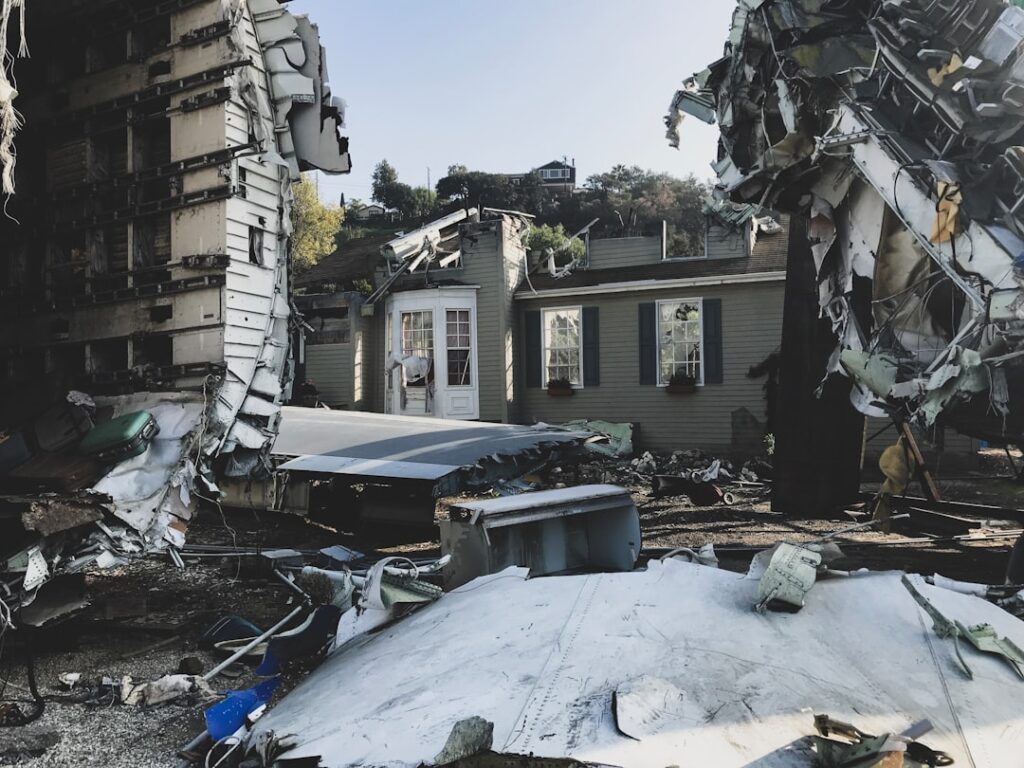
Future-Proofing the Pharmaceutical Sector: Embracing AI for Resilience The integration of AI in recovery strategies presents a crucial opportunity.
Scenario Simulation and Continuous Testing
Traditional disaster-recovery drills are often expensive and infrequent. AI-powered simulators can create synthetic failure events on demand, testing them in live environments without disrupting production. Each simulation generates performance dashboards that identify bottlenecks and validate recovery time objectives (RTOs), fostering a cycle of testing and improvement.
Strategic Implications for Investors and Sustainable Finance
From an investment standpoint, AI-enhanced continuity reduces operational risk. Credit rating agencies are starting to consider continuity scores in their assessments, rewarding companies that show resilience. Sustainable finance funds view strong disaster-recovery capabilities as indicators of long-term governance strength. Thus, pharmaceutical companies using AI-driven recovery can secure better financing and stand out in a competitive market.
Roadmap for Implementation and talent development
You may also like
 Industry & Global Trends
Record Summer for AI Startups
The surge in AI fundraising in Hong Kong reveals a shifting investment landscape. As venture capitalists pour funds into AI startups, the competitive dynamics for…
Read More →To achieve these benefits, companies should take a phased, talent-focused approach. First, audit existing runbooks and map critical dependencies. Next, integrate an AI platform that can analyze infrastructure data and automate updates. Finally, foster a culture of continuous learning, where data scientists, IT operations, and compliance teams collaborate on model training and governance. Upskilling programs that combine AI knowledge with pharmaceutical regulations will empower professionals to build a resilient future.
In a time when supply-chain issues can impact global health, merging AI with disaster recovery is essential. It is the foundation of a pharmaceutical ecosystem that can withstand future uncertainties while delivering life-saving therapies today.
“`