The shipping industry is grappling with significant challenges in the wake of Brexit. Toby Ovens, head of Broughton Transport, recently described the post-Brexit paperwork as ‘pure hell’ during a session with MPs. His comments underscore the logistical nightmares that many businesses face as they navigate new regulations and requirements for exporting goods to the EU.
Ovens shared his experiences with MPs, detailing how the new paperwork requirements have transformed the shipping landscape. Before Brexit, a single sheet of paper sufficed for shipments. Now, Ovens presented a wad of documents requiring 26 stamps, highlighting the overwhelming bureaucracy that has emerged since the UK’s departure from the EU. This significant increase in paperwork has not only delayed shipments but has also led to substantial financial losses for companies like Broughton Transport.
One of the most striking anecdotes Ovens shared involved a truck full of frozen meat that was held in Calais for 27 days due to a paperwork error. The repercussions of this delay were severe, costing the company £16,000 as drivers were forced to wait with the refrigerated truck. Such stories illustrate the real-world impact of the new regulations on businesses and their operations.
The Nightmare of Post-Brexit Logistics
Ovens’s testimony is just one of many highlighting the struggles faced by exporters since Brexit. The additional bureaucracy has resulted in significant delays at ports, with many trucks stranded in Dover and Calais for extended periods. According to Ovens, inspectors have refused to accept new UK paperwork for BSE clearance, further complicating the shipping process.
According to Ovens, inspectors have refused to accept new UK paperwork for BSE clearance, further complicating the shipping process.
Before Christmas, several trucks were detained at Calais, leading to a desperate situation where one lorry was rerouted to meet with a vet in Chippenham to obtain additional BSE certificates. This level of logistical complexity was unheard of before Brexit, and it has left many businesses scrambling to adapt.
 News
NewsTesla Unveils Roadster With SpaceX-Developed Thrusters
Tesla unveiled the Roadster in Texas with air thrusters and short-distance lift; SpaceX helped develop the thrusters, shown in stunt demonstrations.
Read More →The impact of these changes is not just a matter of inconvenience. Liam Byrne, chair of the business and trade committee, revealed that red tape is costing the UK an extra £8.4 billion. In terms of trade volume, goods trade has decreased by 18% compared to five years ago, with food and drink exports suffering an even steeper decline of 24%.
These statistics paint a stark picture of the challenges that exporters face. The need for a new veterinary agreement with the EU is imminent, as both sides aim to streamline the shipping process and reduce the burden of paperwork. Ovens expressed hope that these negotiations could lead to a ‘reset’ with the EU, indicating a potential path forward for businesses struggling with the current system.
As discussions about removing red tape continue, the complexity of regulations remains a pressing concern. Tom Bradshaw, president of the National Farmers’ Union, pointed out that discrepancies in agricultural regulations complicate negotiations. For example, oat farmers are allowed to use certain mycotoxins in the UK that are not permitted in the EU, raising questions about how to align these differing standards.
Additionally, Sean McGuire, director for Europe at the Confederation of British Industry, noted that the EU has been “very lukewarm” on issues such as mutual recognition of professional qualifications. This reluctance could hinder progress in creating a more efficient trading environment.
Strategies for Navigating Post-Brexit Challenges
For businesses like Broughton Transport, adapting to the new landscape is essential. Here are a few actionable steps companies can take to better navigate the complexities of post-Brexit logistics:
 News
NewsIndiaAI Fellowship 2026 Opens with Rs 2 Lakh Aid
IndiaAI Fellowship 2026 provides financial aid up to Rs 2 lakh for postgraduate students and Rs 1 lakh for undergraduates. Deadline: November 30, 2026.
Read More →Strategies for Navigating Post-Brexit Challenges For businesses like Broughton Transport, adapting to the new landscape is essential.
- Invest in Training: Ensure that your team is well-versed in the new regulations and paperwork requirements. Providing training sessions can help reduce errors and improve efficiency in handling shipments.
- Streamline Processes: Review and refine your shipping processes to minimize delays. This includes establishing clear protocols for paperwork and ensuring that all necessary documentation is prepared in advance.
- Engage with Experts: Consider consulting with logistics experts or trade associations that can provide guidance on navigating the post-Brexit landscape. Their insights can be invaluable in adapting to new requirements.
- Stay Informed: Regularly monitor updates regarding trade agreements and regulatory changes. Staying informed can help you anticipate challenges and adjust your strategies accordingly.
However, experts warn that this trend may not be sustainable. A recent study from the Institute for Government suggests that while companies can adapt, the long-term viability of these adaptations remains uncertain. Businesses must balance new skills with proven fundamentals to succeed in this evolving environment.
The Future of Shipping Post-Brexit
As negotiations for a new veterinary agreement commence, the future of shipping between the UK and EU hangs in the balance. The outcome of these discussions will likely shape the regulatory landscape for exporters in the coming years. Companies must remain agile and responsive to changes in regulations to thrive in this new environment.
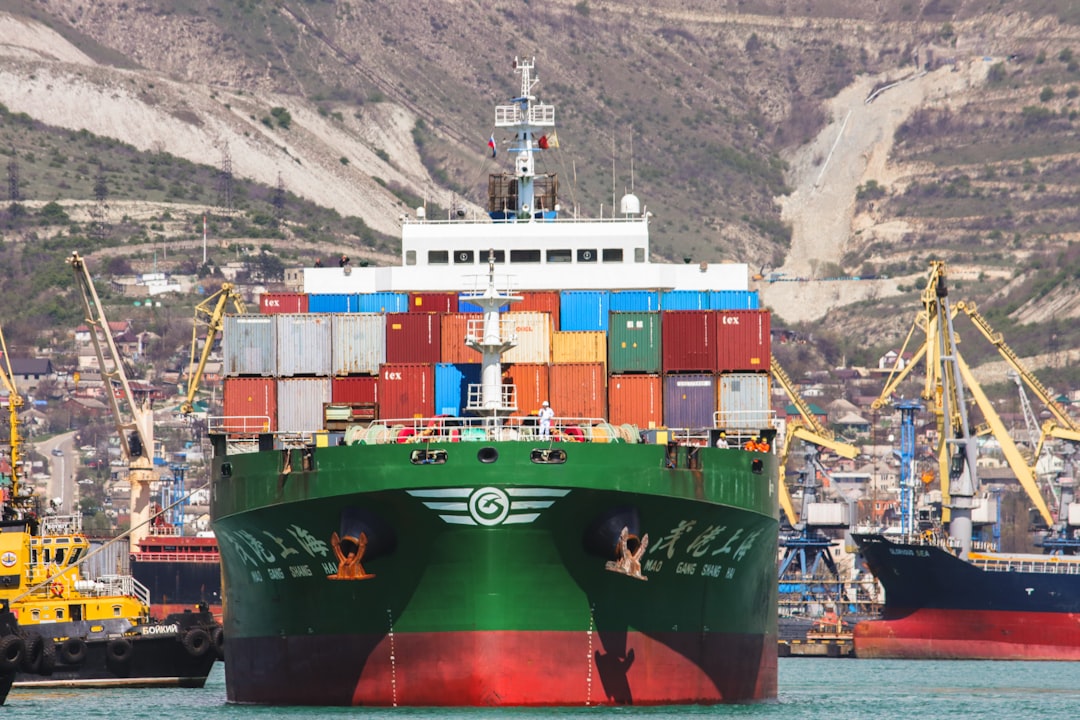
With the ongoing challenges, businesses must also consider how to innovate and improve their operations. Will companies find new ways to streamline their processes, or will they continue to struggle under the weight of bureaucracy? The next few months will be critical for shaping the future of shipping in a post-Brexit world.
Written by Career Ahead AI. AI can make mistakes, so verify key facts. Report errors to support@careeraheadonline.com.