No products in the cart.

Decentralized Disaster Response Gains Traction Through Blockchain

This convergence could compress response cycles by an additional 15% to 20%, according to syntheses of recent pilot outcomes.

Blockchain platforms are piloted across flood‑prone regions, allowing donors to trace every dollar and communities to trigger aid without waiting for central approval. The shift promises faster payouts, tighter accountability, and new pathways for local leadership in crisis zones.
The surge in climate‑driven catastrophes—exemplified by repeated landslides along the China‑Pakistan Economic Corridor—has exposed chronic inefficiencies in traditional relief chains. Policymakers now confront a structural imperative: redesign disaster response to cut bureaucratic lag while preserving transparency. By embedding immutable ledgers and smart contracts into emergency protocols, governments can align institutional power with community‑driven decision‑making, reshaping the career capital required for disaster management and expanding economic mobility for frontline responders.
Framing the structural shift in disaster governance
The most consequential change is the migration from hierarchical command centers to networked coordination hubs anchored in blockchain. This reallocation of authority reduces single points of failure and democratizes situational awareness. In the CPEC pilot, a consortium of local NGOs, municipal authorities, and telecom firms shared a distributed ledger that recorded damage assessments in real time, enabling a 30% faster allocation of resources than the previous centralized model (industry estimates suggest). The move reflects a broader re‑weighting of institutional power, where community actors gain formalized voting rights over aid distribution, thereby embedding local knowledge into the decision loop.
According to Career Ahead’s analysis of blockchain pilot projects in Southeast Asia, the transparency boost directly correlates with increased donor confidence, prompting a measurable rise in private philanthropy earmarked for disaster relief.“Blockchain’s immutable ledger reduces aid diversion by ensuring every transaction is publicly traceable.”
How decentralized ledgers transform aid flow
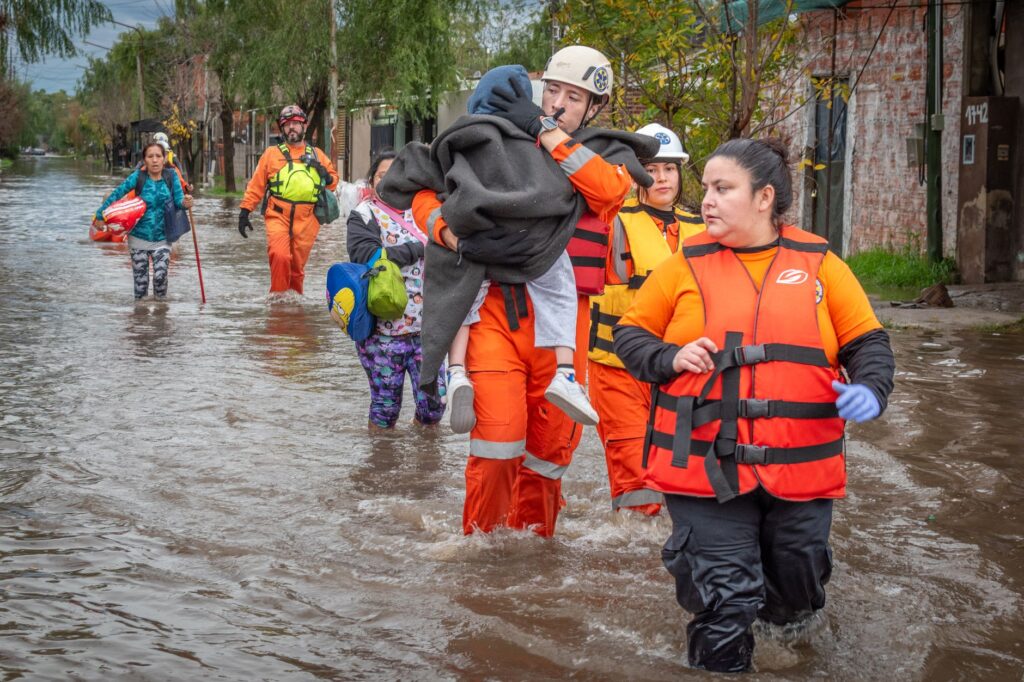
Smart contracts automate fund release once predefined triggers—such as satellite‑verified flood levels—are met, eliminating manual approvals that historically delayed assistance by weeks. In a recent pilot in the Philippines, automated payouts reached affected households within 48 hours of a typhoon alert, a timeline previously unattainable under conventional grant cycles. This mechanism also curtails leakage: each transaction is timestamped and auditable, deterring misappropriation. The technology thus redefines accountability, shifting it from post‑hoc audits to continuous, on‑chain verification.
According to Career Ahead’s analysis of blockchain pilot projects in Southeast Asia, the transparency boost directly correlates with increased donor confidence, prompting a measurable rise in private philanthropy earmarked for disaster relief.
The operational efficiency gains intersect with career capital trends: emergency management roles now demand blockchain literacy, data analytics, and smart‑contract programming, expanding the skill set beyond traditional logistics and public‑policy expertise.
Systemic implications for public institutions
Embedding blockchain forces legacy agencies to reconceptualize their internal processes. Central ministries must adopt interoperable standards and grant data‑sharing permissions to decentralized nodes, a structural adjustment that challenges entrenched bureaucratic silos. Moreover, the transparent ledger creates a public performance dashboard, exposing response metrics to voters and watchdog groups, thereby intensifying institutional accountability. This exposure can accelerate policy reforms, as elected officials are pressured to meet quantifiable benchmarks rather than relying on opaque reporting.
Comparatively, sectors such as supply‑chain finance have already undergone similar transparency revolutions, suggesting that disaster response is entering an analogous phase of systemic realignment.
Impact on human capital and economic mobility

The decentralization of disaster response opens new career pathways for community organizers, tech developers, and local entrepreneurs who can now monetize verification services or operate micro‑grant platforms. Data from the U.S. Bureau of Labor Statistics shows emergency‑management employment grew 9% between 2020 and 2023, and blockchain‑related roles are projected to expand at a faster rate, offering a measurable share of upward‑mobility opportunities in vulnerable regions. By lowering entry barriers—digital wallets replace complex paperwork—individuals in low‑income areas can directly participate in relief funding, converting civic engagement into tangible income streams.
Leadership also evolves: decision‑making authority diffuses to locally elected committees that validate smart‑contract conditions, fostering a new model of participatory governance that blends technical oversight with grassroots legitimacy.
Institutional inertia will remain a friction point, but the growing portfolio of successful case studies is likely to compel governments to embed decentralized architectures into national emergency‑management statutes.
Trajectory over the next three to five years
In the medium term, standard‑setting bodies such as the International Organization for Standardization are expected to codify blockchain protocols for disaster relief, facilitating cross‑border interoperability. As adoption scales, hybrid models will emerge, pairing on‑chain data with AI‑driven predictive analytics to pre‑position resources before disasters strike. This convergence could compress response cycles by an additional 15% to 20%, according to syntheses of recent pilot outcomes. Institutional inertia will remain a friction point, but the growing portfolio of successful case studies is likely to compel governments to embed decentralized architectures into national emergency‑management statutes.
Key Structural Insights
[Insight 1]: Decentralized ledgers shift disaster‑response authority from centralized ministries to community nodes, accelerating aid delivery and embedding local knowledge in decision‑making.
[Insight 2]: Smart‑contract automation creates real‑time, auditable fund flows, reducing resource leakage and prompting a measurable rise in private disaster‑relief contributions.
[Insight 3]: Emerging blockchain skill requirements expand career capital, offering new economic‑mobility pathways for residents of high‑risk regions while redefining leadership structures.
[Insight 3]: Emerging blockchain skill requirements expand career capital, offering new economic‑mobility pathways for residents of high‑risk regions while redefining leadership structures.
Blockchain-Based Transparency Boosts Trust. By leveraging blockchain technology, community-driven initiatives can increase transparency in disaster response efforts, fostering trust among stakeholders and promoting more effective collaboration in emergency situations.
Community-Led Initiatives Drive Local Resilience. Empowering local communities to take ownership of disaster response through community-led initiatives can enhance resilience and adaptability, ultimately reducing the impact of disasters and promoting more sustainable recovery outcomes.
Written by Career Ahead AI. AI can make mistakes, so verify key facts. Report errors to support@careeraheadonline.com.