Deep Springs College is an experimental school in California. It emphasizes hands-on work as part of the college experience. This unique model combines labor with academic study. Students gain real-world experiences that shape their education. As discussions grow about the benefits of such programs, both educators and students consider how this approach could change liberal arts education.
At Deep Springs, students engage in farming and help maintain college operations while studying. This model builds a strong community and teaches essential skills often overlooked in traditional education. Recent discussions show that blending work and study can lead to better career readiness and personal growth.
Transforming Liberal Arts Education Through Experiential Learning
Experiential learning is becoming vital in education, especially in liberal arts. Career Ahead’s analysis reveals that students who gain practical work experience understand their subjects better. They learn to apply theoretical knowledge in real-world situations, which improves retention and comprehension.
Research from ollusa.edu shows that experiential learning builds critical thinking and problem-solving skills. These skills are crucial in today’s job market. Employers want candidates who can adapt and think creatively. By participating in hands-on projects, Deep Springs students gain valuable skills and develop a sense of responsibility and teamwork.
The small, community-focused environment at Deep Springs fosters close relationships between students and faculty. This dynamic allows for personalized mentorship, enhancing the educational experience. Students receive guidance in both academic and personal development, preparing them for future challenges.
By participating in hands-on projects, Deep Springs students gain valuable skills and develop a sense of responsibility and teamwork.
Career Ahead research indicates that this educational model leads to better outcomes for graduates. Alumni from experiential learning programs often report higher job satisfaction and a stronger sense of purpose. As the workforce evolves, institutions that prioritize hands-on learning may find their graduates are better prepared for employer demands.
The Role of Community in Learning Environments
 Education & University Insights
UGC Opens Applications for Distance Learning Programs for 2027 Session
Institutions can apply between September 1 and September 15 for the January-February 2027 session, with documents due by September 25.
Read More →Community engagement is a key part of the Deep Springs experience. The college’s focus on a small, tight-knit community helps students form meaningful connections with peers and instructors. This environment supports academic growth and fosters emotional and social development.
According to acha.org, community-based learning enhances students’ sense of belonging and motivation. When students feel connected to their peers and faculty, they engage more actively in their education. This engagement leads to higher retention rates and a more fulfilling college experience.
Moreover, the collaborative work at Deep Springs encourages students to take ownership of their learning. They learn to communicate effectively, resolve conflicts, and work toward common goals. These skills are invaluable in personal and professional settings, making graduates more competitive in the job market.
By fostering these skills in a supportive environment, institutions like Deep Springs prepare students for success in their careers.
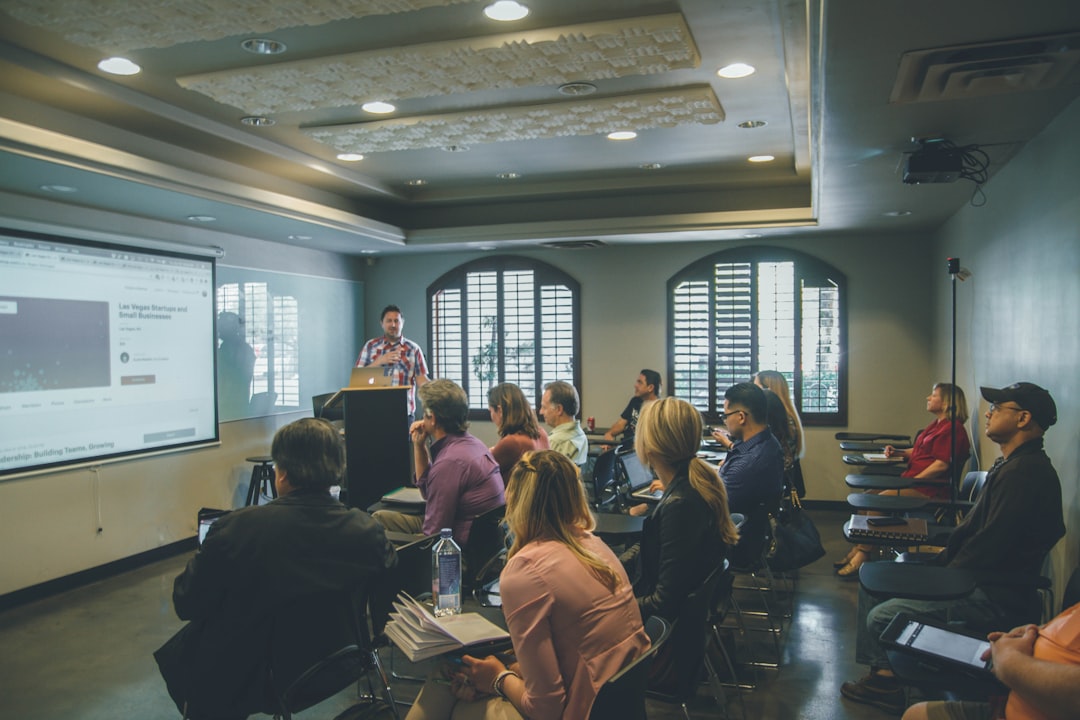
As the job market evolves, the importance of community-focused education becomes clearer. Employers increasingly value candidates who work well in teams and contribute positively to workplace culture. By fostering these skills in a supportive environment, institutions like Deep Springs prepare students for success in their careers.
Looking Ahead: The Future of Experiential Learning in Education
The conversation around experiential learning is growing. More educational institutions are exploring similar models. As the demand for job-ready graduates increases, colleges may need to adapt their curricula to include more hands-on experiences. This shift could change how liberal arts education is perceived and delivered.
Career Ahead’s analysis finds that integrating work experiences into academic programs can help close the skills gap many employers face today. By equipping students with practical skills alongside academic knowledge, institutions can produce graduates who are knowledgeable and capable in their fields.
This improves their critical thinking and problem-solving skills, which are essential for the job market.

The potential for growth in this area is significant. As more students seek experiential learning opportunities, colleges may need to innovate. This could include partnerships with local businesses, internships, and community service projects that align with academic goals.
 Education & University Insights
Need Help Paying for College? Try Bass Fishing.
This trend is crucial for college students interested in bass fishing, as it opens up new financial avenues to support their educational goals.
Read More →Ultimately, the future of education may depend on institutions blending academic rigor with real-world experience. As higher education evolves, models like Deep Springs College could serve as blueprints for others to follow.
Frequently Asked Questions
What are the advantages of attending an experimental college like Deep Springs?
Career Ahead analysis shows that attending an experimental college like Deep Springs offers unique hands-on experiences that enhance learning. These institutions emphasize community engagement and personalized mentorship, leading to greater career readiness.
How does experiential learning benefit liberal arts students?
Experiential learning allows liberal arts students to apply their theoretical knowledge in real-world contexts. This improves their critical thinking and problem-solving skills, which are essential for the job market.
What should educators consider when implementing hands-on work in their curriculum?
Educators should create a supportive community that encourages collaboration and engagement. Integrating practical experiences with academic learning can enhance student motivation and retention, leading to better educational outcomes.
Written by Career Ahead AI. AI can make mistakes, so verify key facts. Report errors to support@careeraheadonline.com.