Explore the skills gap facing Indian graduates in the digital age, where degrees alone no longer ensure job readiness. Discover the need for hands-on learning and industry collaboration.
Degrees vs Skills: The Growing Divide in Indian Employment
India produces millions of graduates each year, yet many struggle to enter the formal job market. According to Education Times, over 60% of Indian employers now require candidates to pass skill assessments before interviews. A degree alone, no matter how prestigious, no longer guarantees a job.
This trend reflects a global shift. Companies worldwide now value skills and real-world problem-solving over mere degrees. For India, aiming to be a “global talent hub,” the gap between academic credentials and employer trust is a significant barrier to its knowledge-based economy.
While engineering and business graduates fare better, even top performers face challenges. The traditional degree, once a ticket to employment, is now just a prerequisite. Employers are willing to overlook academic achievements if candidates lack the necessary skills for today’s digital workplaces.
The Digital Credential Dilemma: Are Universities Keeping Up?
In response to digital changes, Indian universities have adopted systems like the National Academic Depository (NAD) and the Academic Bank of Credits (ABC). These platforms allow for the issuance of digital degrees and certificates, aiming to simplify verification for employers.
However, this digitization has not boosted employer confidence. The India Skills Report 2025 shows that the employability rate among Indian graduates is around 54.81%, a slight improvement but still revealing a skills gap. Engineering and MBA graduates have higher employability rates, with MBA placements at about 78%, while other fields lag.
Employers are willing to overlook academic achievements if candidates lack the necessary skills for today’s digital workplaces.
Recent initiatives aim to close this gap. For instance, a pilot program combines traditional B.Tech curricula with online modules, led by the All India Council for Technical Education (AICTE) and Indira Gandhi National Open University (IGNOU). This blended model introduces industry-relevant content, recognizing that curricula must evolve with technology.
Despite these efforts, employers still prioritize “job-ready” skills like data analytics and cloud computing over digital certificates. Graduates may get shortlisted with a digital badge, but rigorous assessments will determine if they advance further.
Future-Proofing Graduates: The Path to Job Readiness
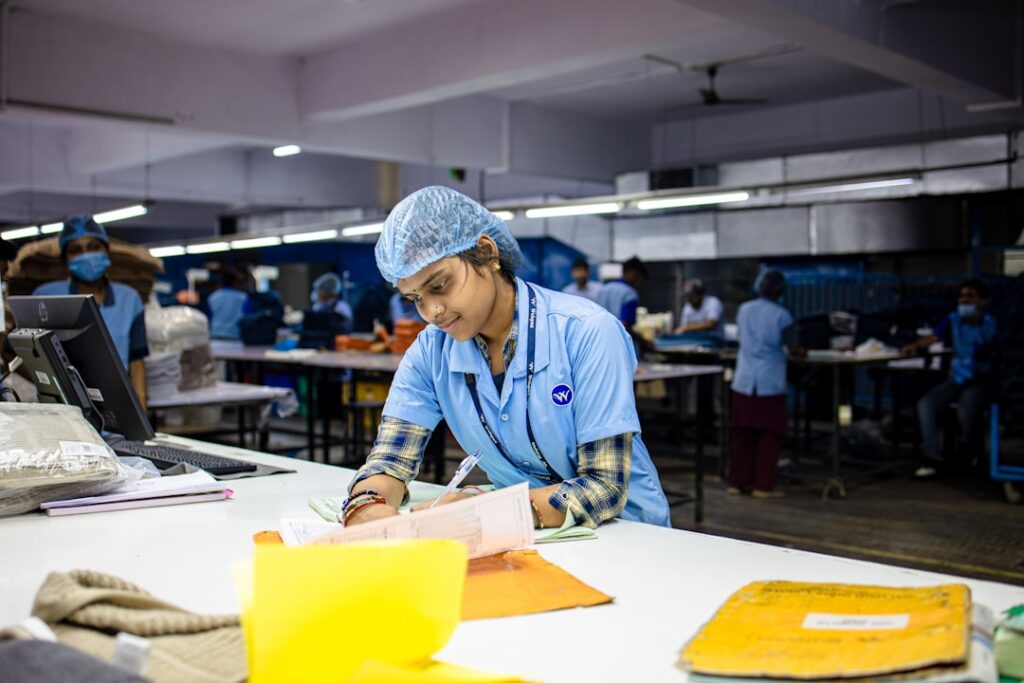
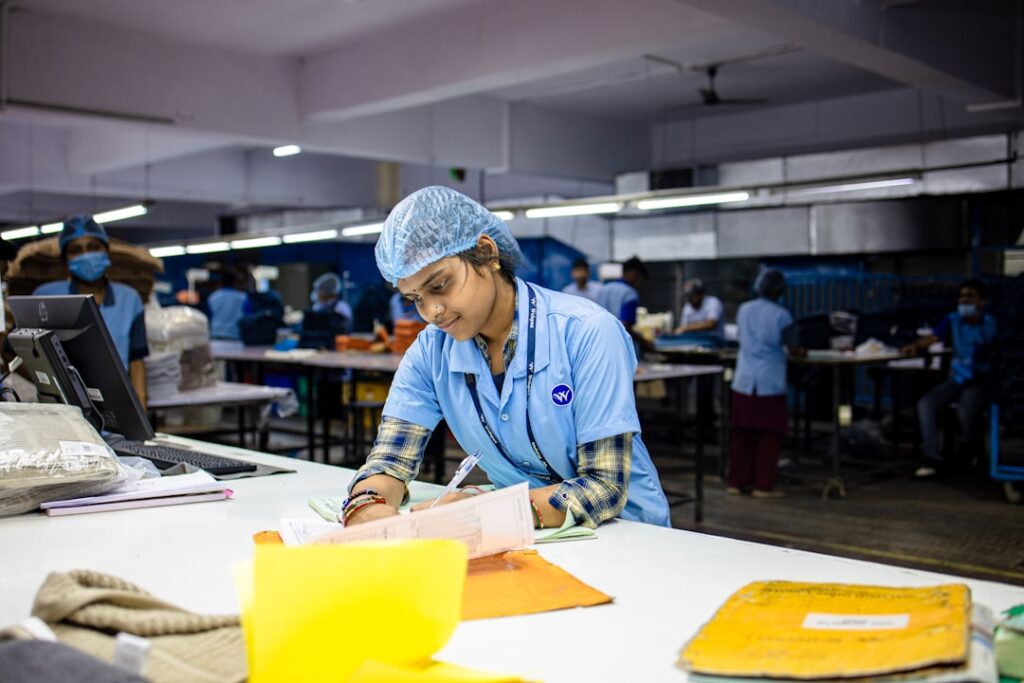
Closing the skills gap requires more than digital upgrades; it needs a shift in teaching methods that emphasizes hands-on learning. Internships, live projects, and industry-aligned curricula should be standard practice.
Employers often highlight three key soft skills: problem-solving, communication, and teamwork. While these can be taught in classrooms, they are best demonstrated through real-world experiences. Universities that partner with companies for capstone projects allow students to apply theory and build portfolios that can impress employers during skill assessments.
Future-Proofing Graduates: The Path to Job Readiness Closing the skills gap requires more than digital upgrades; it needs a shift in teaching methods that emphasizes hands-on learning.
Upskilling is also crucial. Rapid advancements in AI and data-driven decision-making have made many entry-level jobs obsolete. Institutions that collaborate with ed-tech platforms to offer micro-credentials help graduates stay relevant in a changing job market.
Additionally, the skills gap varies by geography and socioeconomic status. While urban campuses have advanced facilities, many regional colleges lack basic internet access. Policies like subsidized broadband for rural institutions and faculty exchange programs could improve access to experiential learning.
Strategic Perspective
India faces a challenge: the value of a digital degree must match the quality of digital skills. The employability paradox is a systemic issue that requires collaboration among academia, industry, and government.
Policymakers can drive change by requiring a certain percentage of curriculum hours for project-based learning and linking accreditation to measurable outcomes like placement rates. Companies should also expand their hiring practices to include verified micro-credentials and competency assessments, reducing reliance on traditional degree filters.
As the next generation of Indian professionals enters the workforce, their success will depend on their demonstrated abilities, not just their degrees.
DES Pune University is embracing innovation in higher education through new leadership strategies, interdisciplinary research, and industry partnerships, aiming to prepare students for a dynamic…
For graduates, the message is clear: a degree is a solid foundation, but it must be complemented by relevant skills. Those who seek internships, engage in open-source projects, and earn stackable certifications will not just survive the job market but thrive in it.
As the next generation of Indian professionals enters the workforce, their success will depend on their demonstrated abilities, not just their degrees. This shift could turn today’s paradox into a competitive advantage for the future.


 AI & Technology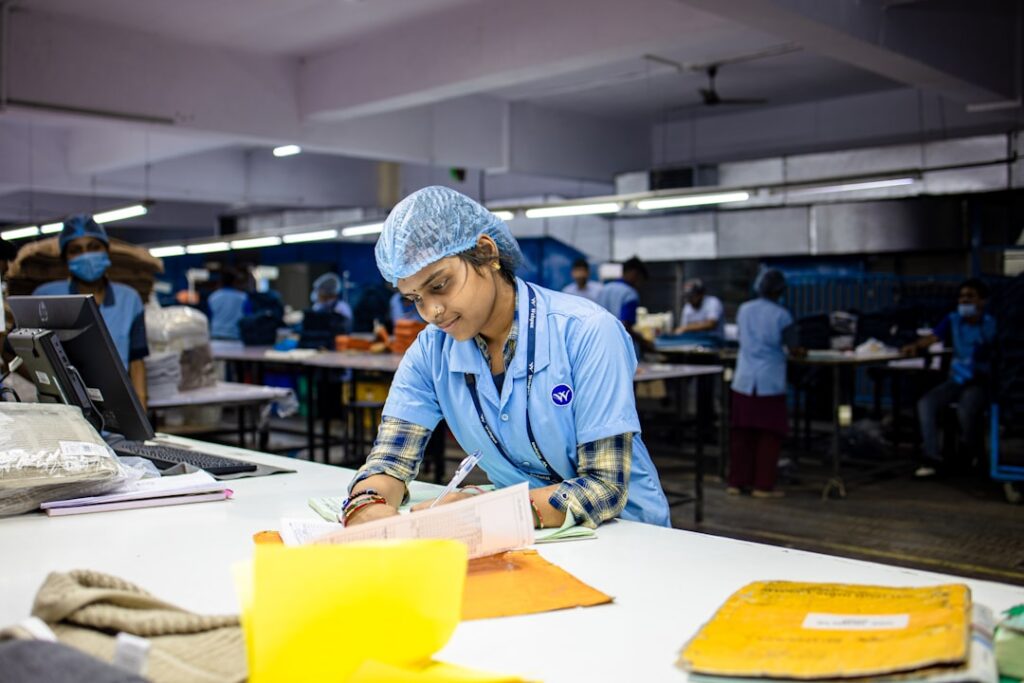
Education & University Insights