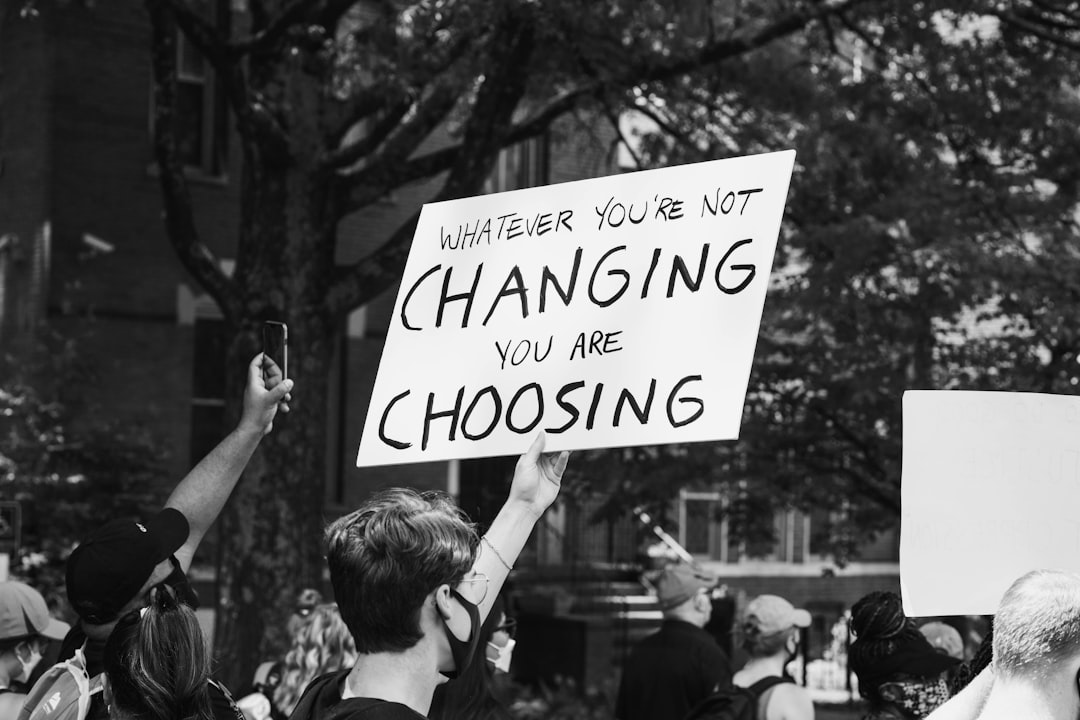
India — On July 21, 2026, thousands of young protesters gathered in New Delhi. They demanded urgent reforms in the education sector. This demonstration came after violent police crackdowns on earlier protests, which had already caused significant public outcry. The protesters are calling for systemic changes. They want better funding for educational institutions and increased access to quality education across the country.
The protests highlight frustrations over the current state of education in India. Students and young activists are uniting to voice their concerns. They emphasize that their future relies on a strong educational framework. The resilience shown by these young individuals marks a pivotal moment in India’s educational landscape.
The Impact of Protests on Education Policy Reform
The recent protests have brought educational issues to the forefront of national discussions. Career Ahead’s analysis shows that policymakers are starting to notice the protesters’ demands. Reports suggest a possible shift in how the government allocates funding for education. There is an emphasis on addressing the needs highlighted by the protesters. The Indian Express reported that these protests have prompted lawmakers to discuss revising existing education policies.
Data from the National Portal of India reveals a significant gap in educational resources, especially in rural areas. The protesters advocate for fair distribution of resources. This could create a more inclusive educational environment. If the government responds positively, it may lead to increased financial support for underfunded schools and colleges. This support could enhance educational outcomes. Furthermore, the protests stress the urgent need for infrastructure improvements in schools, as many lack basic facilities essential for effective learning.
The protests have also sparked discussions about education quality in India. Many young activists argue that the current curriculum does not prepare students for modern workforce challenges. There is a growing push for curriculum reforms that align with industry needs and global standards. According to the National Portal of India, the current educational framework often fails to equip students with practical skills. This leads to a mismatch between graduates and job market demands.
The UGC's recent crackdown on EdTech-university partnerships raises significant concerns for higher education institutions. This action highlights the risks associated with unrecognized collaborations and the…
According to the National Portal of India, the current educational framework often fails to equip students with practical skills.
Career Ahead research finds that ongoing protests reflect a broader trend of youth engagement in policy advocacy. This shift shows that young people are increasingly willing to challenge the status quo. They demand accountability from their leaders. As these movements gain momentum, they may significantly influence future educational policies and reforms. The protests have also sparked discussions about education’s role in fostering social equity. Activists emphasize that access to quality education is a fundamental right for all citizens.
The Role of Youth Activism in Shaping Educational Priorities
Youth activism has played a crucial role in shaping the current educational narrative in India. The recent protests are not just about immediate policy changes. They represent a larger movement advocating for students’ rights and the importance of education as a tool for empowerment. This activism has a strong online presence, with social media amplifying their voices. The Indian Express noted that platforms like Twitter and Instagram have been key in organizing protests and sharing information about the issues.
According to data from simple.wikipedia.org, India has one of the largest youth populations in the world. This makes their collective voice significant in influencing policy. Young people are using social media to organize protests, share information, and rally support for their cause. This digital activism is vital for mobilizing support and creating awareness about the issues. The ability of youth to connect online has transformed traditional forms of activism. It allows for rapid mobilization and sharing of resources among diverse groups.
The protests have also highlighted the importance of inclusivity in educational reform. Activists advocate for policies that address the needs of marginalized communities. They want to ensure that every student has access to quality education. This focus on inclusivity could lead to more comprehensive educational policies. These policies would cater to diverse student populations. The ongoing dialogue about educational equity has prompted many young activists to call for reforms. They seek to improve access and enhance the quality of education for all, especially for those from disadvantaged backgrounds.
The resilience of these young activists, despite facing violence and repression, showcases their determination to effect change. Their ability to unite and articulate their demands effectively can reshape India’s educational landscape. As the government navigates these protests, the voices of young people will likely play a pivotal role in determining the future of educational policies. Looking ahead, the ongoing protests may lead to significant changes in government funding for education. If the protesters’ demands are met, we could see a new era of educational reform prioritizing equitable access and quality education for all.
The PhD for Executives program is designed specifically for individuals with substantial professional experience. Applicants must have at least five years in industries registered as…
They want to ensure that every student has access to quality education.
Frequently Asked Questions
What are the key demands of the youth protesters in India?
The youth protesters in India are demanding urgent reforms in the education sector. They want increased funding for schools, better access to quality education, and curriculum changes that prepare students for the workforce.
How can education policy analysts assess the impact of these protests?
Education policy analysts can assess the impact of these protests by examining government responses. They can analyze changes in funding allocations and evaluate shifts in educational priorities that emerge from the activism.
What should youth activists do to sustain momentum in their advocacy efforts?
Youth activists should continue to use social media to raise awareness. They should build coalitions with other advocacy groups and engage in dialogue with policymakers to maintain momentum for educational reform.




Education & University Insights
 Education & University Insights