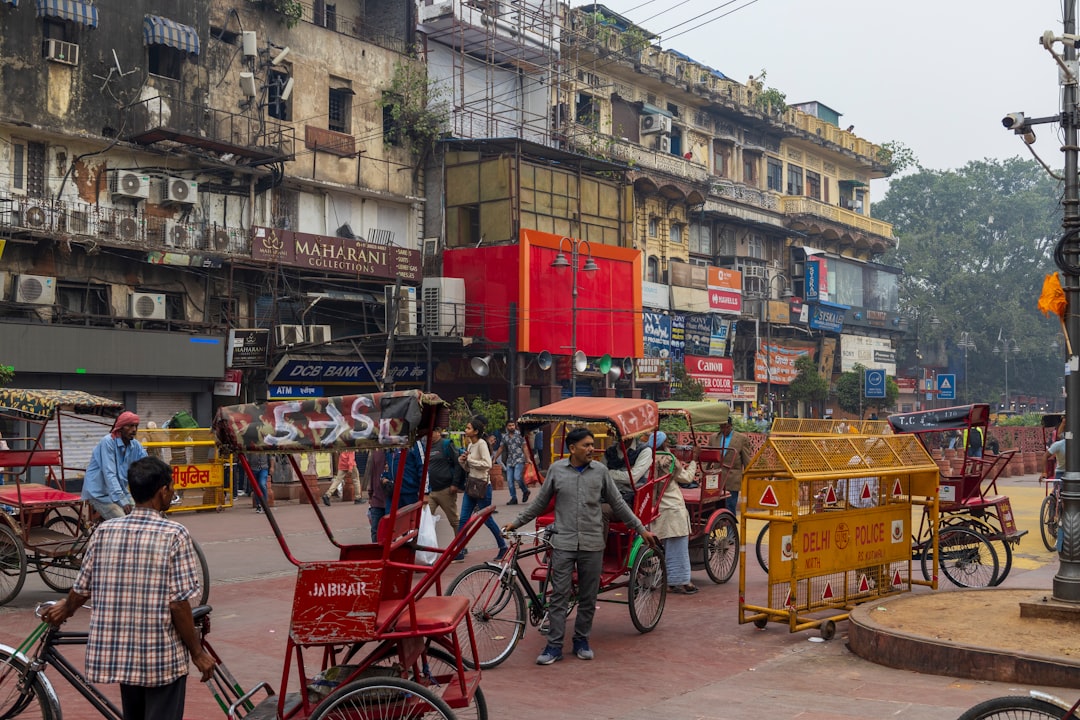
The Union Cabinet has approved a scheme to replace older trucks and buses in Delhi-NCR, offering financial incentives to promote cleaner mobility and combat air pollution.
Delhi-NCR, India — The Union Cabinet has approved a new scheme to replace older trucks and buses in the Delhi-NCR region. This initiative, announced on June 3, 2026, aims to fight severe air pollution and promote sustainable mobility. The scheme will encourage about 2.07 lakh vehicle owners, including 1.91 lakh trucks and 16,329 buses, to switch to cleaner, BS-VI compliant vehicles.
The government will offer a 5% interest subvention on loans for five years. Owners will also receive monthly fuel vouchers worth up to Rs 4,800, depending on the vehicle type, and lump-sum benefits for electric vehicle purchases. The total financial outlay for this initiative is estimated at Rs 9,585 crore, with significant contributions from both the central and state governments. According to the Economic Times, this funding will help transition to cleaner transport solutions.
Incentives for Vehicle Owners in Delhi-NCR
The financial incentives for the BS-VI upgrade are noteworthy. Truck and bus owners will benefit from interest subventions and fuel vouchers, which can lower their operational costs. The interest subvention will make financing easier, allowing owners to invest in newer, cleaner vehicles without high-interest rates. This is crucial in a region where operational costs are a major concern for transport operators.
Additionally, the monthly fuel vouchers, totaling up to Rs 4,800, will help offset fuel costs during the transition. This support is vital, especially as fuel prices change and impact transport budgets. These measures not only provide financial aid but also promote compliance with environmental regulations. The government aims for these incentives to significantly reduce vehicular emissions, a major cause of air quality issues in the region.
The scheme also includes benefits for electric vehicle (EV) purchases. Owners who choose EVs will receive lump-sum benefits, encouraging the use of zero-emission vehicles in an area known for poor air quality. By incentivizing these transitions, the government hopes to reduce vehicular emissions and improve air quality in Delhi-NCR. As noted by Maps of India, integrating electric vehicles into the transport system is key to achieving sustainable urban mobility.
According to Career Ahead’s analysis, this scheme is expected to significantly impact operational costs for truck and bus owners.
The anticipated tightening of monetary policy is particularly pertinent for financial analysts and corporate treasurers who must adapt their strategies to the evolving economic landscape.
According to Career Ahead’s analysis, this scheme is expected to significantly impact operational costs for truck and bus owners. The government’s financial support could lower the total cost of ownership for these vehicles, making the upgrade to BS-VI compliant models more appealing. This initiative addresses immediate financial concerns while aligning with broader environmental goals, benefiting both vehicle owners and the community.
Implications for Air Quality and Compliance
The push for BS-VI vehicles is not just financial; it is essential for improving air quality in the Delhi-NCR region. Air pollution has been a persistent public health issue, especially in winter when smog levels rise. Stricter emission standards aim to tackle these concerns directly. Government data shows that vehicular emissions significantly contribute to air pollution in Delhi, impacting overall air quality. By facilitating the transition to cleaner vehicles, the government is proactively addressing these environmental issues.
The scheme also emphasizes compliance with environmental regulations. As older, more polluting vehicles are phased out, compliance with BS-VI standards will be crucial for all transport operators. This shift will enhance the regulatory landscape and encourage environmentally friendly practices among vehicle owners. The government has set up an Empowered Committee to oversee the initiative, ensuring benefits are realized and expected improvements in air quality occur. This oversight is vital for maintaining accountability and transparency throughout the process.
Digital systems for monitoring and eligibility checks will help owners transition smoothly. An integrated portal will allow real-time tracking of pollution reduction outcomes, which is essential for assessing the scheme’s effectiveness over time. As the scheme is implemented, it will be important to monitor the outcomes closely. Collaboration between state and central governments will be critical for the scheme’s success. States like Haryana, Rajasthan, and Uttar Pradesh are involved, and their cooperation is necessary for a unified approach to cleaner transportation in the NCR region.
Looking ahead, the success of the BS-VI upgrade scheme will depend on several factors, including how responsive vehicle owners are and the availability of financing options. While the financial incentives are promising, effective outreach and support from the government will be needed. This will ensure all eligible owners are aware of and can access these benefits. Ultimately, the BS-VI upgrade scheme represents a significant step towards cleaner transport in Delhi-NCR. The potential for reduced operational costs, combined with environmental benefits, could reshape the transport landscape. However, implementation challenges and owner engagement will determine the initiative’s long-term success.
This development is crucial for understanding the current economic landscape. The Fed's and ECB's communications suggest that inflation remains a top priority, impacting their decisions…
Collaboration between state and central governments will be critical for the scheme’s success.
As Delhi-NCR begins this journey towards cleaner mobility, all eyes will be on the outcomes of this ambitious scheme. Will it effectively reduce emissions and improve air quality, or will challenges hinder its progress? The coming months will be critical in determining the future of transport in this densely populated region.
Frequently Asked Questions
What are the eligibility criteria for the vehicle replacement scheme?
To be eligible for the vehicle replacement scheme, truck and bus owners must have vehicles that comply with BS-IV or earlier emission norms. They must replace their vehicles with BS-VI compliant or electric vehicles within the NCR region.
How can I apply for the interest subvention on loans?
Owners can apply for the interest subvention on loans through an integrated online portal set up by the government. This portal will enable real-time eligibility checks and automate the claims process for the interest subvention.
What types of vehicles qualify for the monthly fuel vouchers?
Monthly fuel vouchers are available for trucks and buses registered under the vehicle replacement scheme. The voucher amount varies by vehicle category, with a maximum of Rs 4,800 per month.



Government & Policy
Government & Policy