No products in the cart.

Delhi Schools to Close for 50 Days as Temperatures Soar
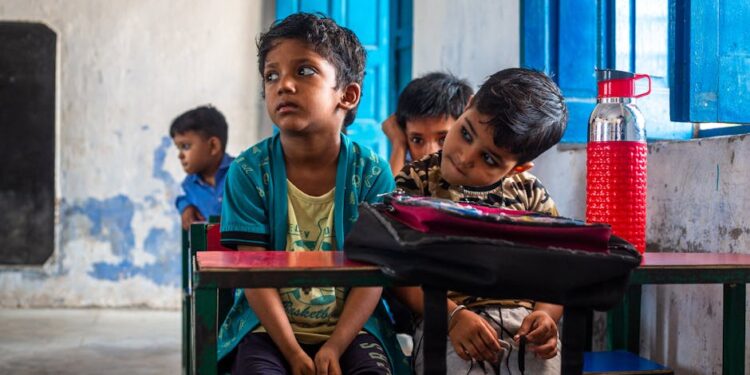
As temperatures soar, five Indian states have closed schools early for summer. Delhi follows suit with a 50-day break starting May 11, impacting millions of families.

India — As the summer of 2026 intensifies, five states have taken decisive action to protect students from extreme heat by closing schools. Delhi has announced a significant 50-day break, starting May 11, which is set to affect millions of families. This early closure reflects the urgent need to prioritize student health amid soaring temperatures.
The Directorate of Education in Delhi confirmed that schools will remain closed until July 1, reopening just in time for the monsoon season. Parents are now faced with the challenge of managing childcare during this extended break, as temperatures continue to rise across the region.
According to Kalam Times, Odisha was among the first states to close schools, doing so on April 27. West Bengal followed suit on April 22, with the exception of the cooler Darjeeling region. Chhattisgarh has extended its summer vacation from April 20 to June 15, demonstrating a trend among states to prioritize student safety over traditional academic schedules.
Adjustments to School Hours
In response to the extreme heat, several states have opted not just for closures but also for adjusted school hours. For instance, schools in Noida and Ghaziabad have shifted their schedules to run from 7:30 AM to 12 PM. Similarly, Jharkhand has moved its school day to end by 11:30 AM, while Maharashtra has adopted an even earlier start time of 7 AM, concluding by 11:15 AM.
This shift aims to minimize students’ exposure to the harsh afternoon sun, which can reach dangerous levels. The India Meteorological Department (IMD) has warned of continuing high temperatures, with forecasts suggesting that conditions may worsen before the arrival of the monsoon. As a result, state governments are under pressure to implement measures that can safeguard the health of children.
Parents and educators are expressing mixed feelings about these changes. While many welcome the decision to close schools, others worry about the implications for students’ learning and academic progression. The challenge lies in balancing educational needs with health and safety concerns.
While many welcome the decision to close schools, others worry about the implications for students’ learning and academic progression.
Challenges for Families
You may also like
 Education & University Insights
Cornell Students Call for Change | Career Outlook
At a passionate public meeting at Cornell University, students demanded accountability for the university's handling of a sexual assault case, reflecting a growing wave of…
Read More →The early school closures are creating significant logistical challenges for families across India. With children home for an extended period, parents must find ways to manage childcare and keep their kids engaged. This situation is particularly challenging for working parents, who may have limited options for supervision during the day.
Moreover, the economic impact is notable. Many families may face increased expenses related to childcare or activities to occupy their children. According to ABP Live, the situation is exacerbated for lower-income families, who may struggle to keep their children engaged in safe environments.
Communities are also stepping up to fill the gap. Local organizations and community centers are beginning to offer summer programs to provide safe spaces for children. These initiatives aim to ensure that children remain active and engaged while prioritizing their safety during the heat.
Government Initiatives and Future Policies
The Indian government is closely monitoring the situation, with discussions underway about potential policy changes to address the ongoing heat crisis. The IMD has indicated that temperatures may continue to rise, prompting state governments to consider additional measures to protect students.
Government Initiatives and Future Policies The Indian government is closely monitoring the situation, with discussions underway about potential policy changes to address the ongoing heat crisis.
One potential policy change could involve revising the academic calendar to better align with climate realities. This could mean more flexible school schedules that account for extreme weather conditions in the future. As states grapple with the current situation, the need for long-term planning becomes increasingly apparent.
Additionally, the government is focusing on public awareness campaigns to educate families about heat safety. These campaigns will emphasize the importance of hydration, staying indoors during peak heat hours, and recognizing the signs of heat-related illnesses.
Long-Term Educational Considerations
You may also like
 Government & Policy
National PNG Drive 3.0 Objectives Unpacked
India's National PNG Drive 3.0 aims to enhance energy accessibility by adding 50 lakh new piped natural gas connections, promoting cleaner energy use across the…
Read More →The early closure of schools raises questions about the long-term implications for education in India. With the academic year disrupted, educators and policymakers must consider how to mitigate potential learning losses. This situation could lead to a reevaluation of how education is delivered in extreme weather conditions.
One possibility is the increased use of online learning platforms. As schools adapt to changing circumstances, technology could play a crucial role in ensuring that education continues, even during extreme weather events. However, access to technology remains a significant barrier for many students, particularly in rural areas.

Furthermore, this summer’s events may prompt a broader conversation about climate change and its impact on education. As extreme weather becomes more common, the education sector will need to adapt to ensure that students can continue to learn in safe environments.
As extreme weather becomes more common, the education sector will need to adapt to ensure that students can continue to learn in safe environments.
Risks, Trade-Offs, and What Comes Next
The school closures in India highlight the urgent need for effective policies that prioritize student health and safety. For families, this situation underscores the challenges of managing childcare during extreme weather events. As these trends continue, they may affect not only education but also the overall well-being of communities.
As the summer progresses, the question remains: how will states adapt to ongoing heat challenges? With temperatures expected to remain high, further adjustments may be necessary. The situation calls for innovative solutions to ensure that children can learn safely, whether through modified schedules or enhanced online learning opportunities.
In this context, the actions taken now will be crucial in determining how effectively India can safeguard its students against the impacts of climate change in the future.
You may also like
 Government & Policy
Why Rising Instrument Prices Endanger School Music Education
Rising tariffs on musical instruments are significantly increasing costs for school music programs, putting their viability at risk. Career Ahead's analysis identifies potential funding strategies…
Read More →