No products in the cart.

Delhivery Shares Drop 4% Amid 65% Profit Decline

The financial results have sparked discussions about Delhivery's long-term strategy and its ability to manage costs effectively. While Nuvama retained its "Buy" rating for Delhivery, it has adjusted its target price to Rs 570, indicating cautious optimism about the company's future performance. The contrasting trends in revenue and…

Delhivery, a top logistics company in India, reported a 65% drop in net profit for the first quarter of fiscal year 2027. The profit fell to Rs 32 crore. This decline happened despite a strong 28% increase in revenue, showing major operational challenges. The news caused Delhivery’s share price to drop by 4%, worrying investors and logistics managers.
The financial results have led to discussions about Delhivery’s long-term strategy and cost management. Nuvama kept its “Buy” rating for Delhivery but lowered its target price to Rs 570. This shows cautious optimism about the company’s future. The differing trends in revenue and profit suggest that logistics managers need to rethink their operational strategies to stay profitable.
Operational Efficiency Challenges in Logistics
Delhivery’s recent financial results highlight the need for logistics managers to improve operational efficiency. The 65% drop in net profit shows that just growing revenue is not enough for financial health. Career Ahead’s analysis reveals that many logistics companies face similar issues, where rising operational costs exceed revenue gains. This trend could shrink profit margins across the industry.
Career Ahead’s review of industry data indicates that logistics firms must streamline operations and cut overhead costs. Companies investing in technology and automation can manage costs better. For example, using advanced tracking systems and optimizing delivery routes can lower expenses and improve profit margins. Additionally, rising fuel and labor costs are urgent issues that logistics managers must tackle to prevent further profit loss.
Delhivery’s situation reflects a wider industry trend. Logistics companies are struggling with increasing costs for fuel, labor, and technology investments. As e-commerce grows, logistics managers need to adapt. This may involve reevaluating supplier contracts, renegotiating fees, or exploring new delivery methods to boost profitability. The Economic Times reported that despite the profit drop, Nuvama remains cautiously optimistic. They believe Delhivery can recover if it addresses its operational inefficiencies.
Career Ahead’s review of industry data indicates that logistics firms must streamline operations and cut overhead costs.
You may also like
 Industry & Global Trends
UK Hiring Shows Signs of Recovery After Record Slump
The UK job market is showing signs of recovery after the longest slump on record. Increased job openings and changes in candidate availability are reshaping…
Read More →The logistics sector must also adopt data-driven decision-making. By using analytics, companies can spot inefficiencies and make targeted improvements. For logistics managers, this means focusing on cost-cutting while also enhancing service quality and customer satisfaction. These factors are crucial for keeping clients in a competitive market. The need for a strategic approach to operational efficiency is clear, especially as many logistics firms, including Delhivery, face rapid technological changes and evolving consumer expectations.
Given Delhivery’s profit decline, logistics managers should make operational efficiency a top priority. Balancing revenue growth with effective cost management is essential for long-term profitability.
Investment Implications for Financial Analysts
The differing trends in Delhivery’s revenue growth and profit decline create a complex situation for financial analysts. While the company’s revenue rose by 28%, the significant profit drop raises questions about sustainability and future growth. Analysts need to consider these factors when evaluating investment opportunities in logistics.
Nuvama’s choice to keep a “Buy” rating despite the profit drop shows confidence in Delhivery’s recovery potential. However, it also warns investors to stay alert. Career Ahead’s analysis suggests that financial analysts should monitor operational metrics alongside traditional financial indicators. Metrics like delivery efficiency, customer satisfaction, and cost per shipment will provide deeper insights into the company’s performance. The NDTV Profit report emphasizes that while Delhivery faces challenges, its investments in technology could help it grow in the future.
The logistics sector is rapidly changing due to technology and shifting consumer behaviors. Financial analysts should evaluate how companies like Delhivery are adapting. For example, investing in automation and AI-driven logistics solutions can boost operational efficiency and improve profit margins over time. The MSN report highlights that as companies invest in these technologies, they can manage costs better and enhance service delivery, which is vital for staying competitive.
Financial analysts should take a comprehensive approach, considering both operational efficiency and market dynamics to assess future growth potential in logistics.
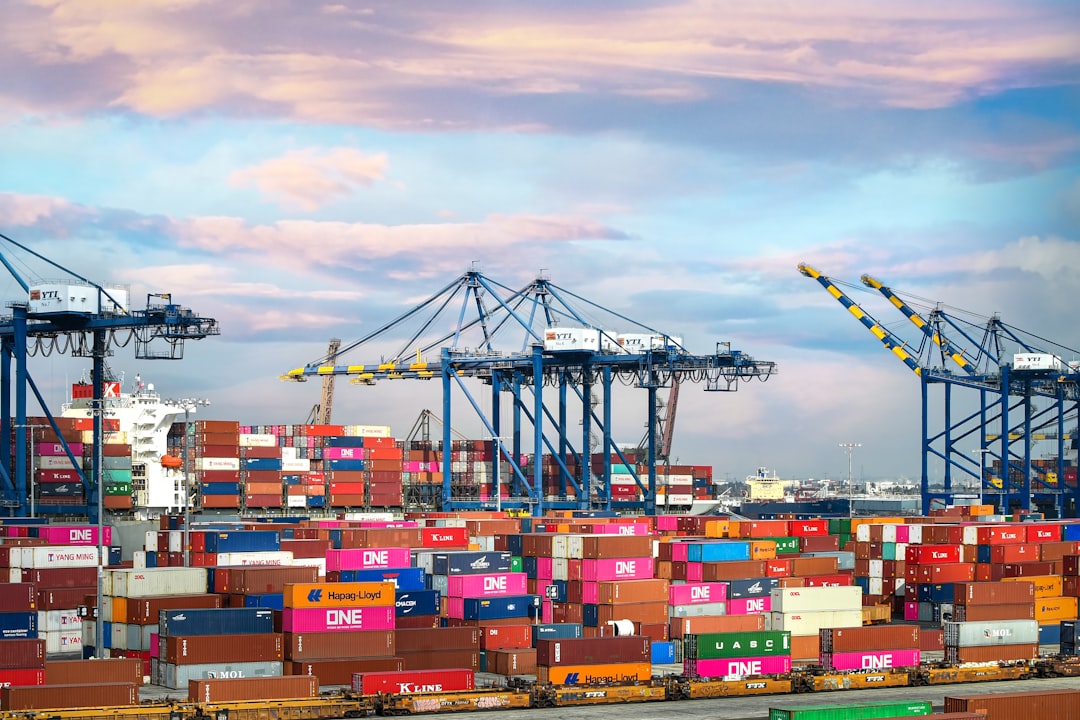
As Delhivery navigates this tough landscape, financial analysts must also consider broader economic factors affecting the logistics sector. Rising fuel prices, labor shortages, and regulatory changes can impact operational costs and profitability. Understanding these external factors is crucial for making informed investment decisions. In summary, Delhivery’s financial results have implications beyond its immediate performance. Financial analysts should take a comprehensive approach, considering both operational efficiency and market dynamics to assess future growth potential in logistics.
You may also like
 Industry & Global Trends
China AI Chip Designer Moore Threads Plans Hong Kong Listing
The surge in Moore Threads' stock price and its forthcoming listing reflect a broader trend in the AI chip market, which has become increasingly competitive.
Read More →Ultimately, Delhivery’s recent financial performance highlights the importance of balancing revenue growth with effective cost management. As the logistics sector evolves, companies that can meet these challenges will be better positioned for long-term success.
Looking ahead, the logistics industry must stay agile and responsive to changing market conditions. Adapting to new technologies and customer expectations will be critical for maintaining profitability in the coming years.
Frequently Asked Questions
What are the implications of Delhivery’s profit drop for logistics managers?
Delhivery’s profit drop shows that logistics managers need to focus on operational efficiency and cost control. Revenue growth alone is not enough for profitability, so managers must streamline operations and cut overhead costs.
While revenue growth is good, the profit decline raises concerns about sustainability and future growth potential.
How should financial analysts interpret Delhivery’s revenue growth alongside profit decline?
Financial analysts should look at both operational metrics and market dynamics when assessing Delhivery’s performance. While revenue growth is good, the profit decline raises concerns about sustainability and future growth potential.

What strategies can logistics managers implement to improve profitability?
Logistics managers can invest in technology to streamline operations, encourage continuous improvement, and prioritize customer satisfaction. These strategies can enhance efficiency and reduce costs, ultimately boosting profitability.
You may also like
 Industry & Global Trends
China’s Humanoid Robots Surge as Unitree IPO Launches
Unitree Robotics is preparing for an IPO on the Shanghai Stock Exchange, aiming to raise $900 million and solidifying its position in the global humanoid…
Read More →