

Cambridge, USA — Harvard university is at the forefront of redefining design processes through the integration of emerging technologies. In an era where traditional business models struggle to keep pace with rapid advancements, Harvard’s approach emphasizes a seamless blend of innovation and efficiency. The recent insights shared in the article “Design Processes to Evolve with Emerging technology” highlight how organizations can transform their operational frameworks to remain competitive.
For decades, businesses have struggled with cumbersome change processes, often resulting in high transaction costs and inefficiencies. According to a recent analysis, over 40% of working hours in businesses are tied to these transactional inefficiencies. Harvard’s new framework aims to address this challenge by focusing on three key elements: radical process visibility, low-risk experimentation, and autonomous AI-driven execution.
One of the most significant advancements in this approach is the use of digital twins. These digital replicas of physical systems allow organizations to simulate processes in a risk-free environment. By creating a virtual model of their operations, firms can identify bottlenecks and inefficiencies before implementing changes in the real world. This method not only reduces the risk associated with major transformations but also accelerates the innovation cycle.
How Harvard Integrates AI into Design Processes
Harvard’s emphasis on AI integration is crucial for modern design processes. AI technologies enable organizations to automate routine tasks, thereby freeing up human resources for more strategic initiatives. For instance, in the automotive industry, companies like BMW are utilizing AI to enhance their production processes. By leveraging AI-driven simulations, BMW has significantly reduced its production planning costs and improved its operational efficiency.
According to data from a Harvard Business Review article, nearly 87% of C-suite leaders believe that AI is a game-changer for process transformation.
According to data from a Harvard Business Review article, nearly 87% of C-suite leaders believe that AI is a game-changer for process transformation. This sentiment is echoed across various sectors, as organizations recognize the potential of AI to streamline operations and enhance decision-making processes. By embedding AI into the core of their design processes, companies can achieve a level of agility previously thought unattainable.
 AI & Technology
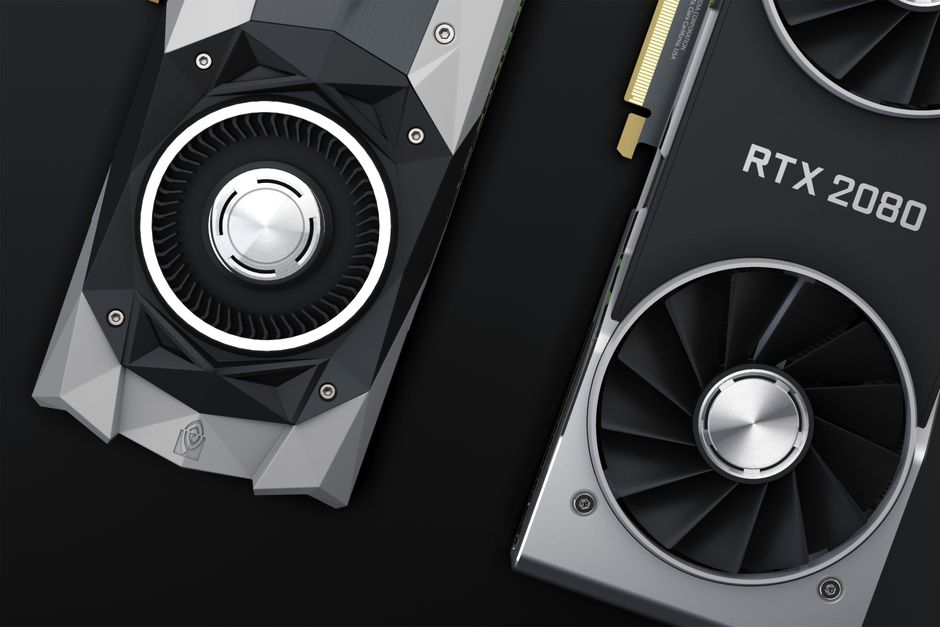
Microsoft Unveils AI-Optimized PCs with Nvidia Technology
Microsoft has unveiled new PCs powered by Nvidia's RTX Spark chip and an updated Windows 11, enhancing AI capabilities for developers and researchers. This shift…
Read More →Moreover, Harvard’s approach encourages experimentation. By fostering a culture that embraces trial and error, organizations can uncover innovative solutions that drive growth. For example, Unilever has implemented a digital twin strategy at its factory in Tinsukia, India, allowing it to simulate new packaging materials. This initiative has led to an increase in the number of experiments conducted annually, from two to thirty, which significantly accelerates their sustainability goals.

Positioning Yourself for Future Design Roles
As the landscape of design processes evolves, professionals must adapt to these changes to stay relevant in their careers. Here are some actionable steps to consider:
- Embrace Continuous Learning: Stay updated on the latest technologies and methodologies in design and process management. Online courses and certifications in AI and digital modeling can enhance your skill set.
- Network with Industry Leaders: Engage with professionals in your field through workshops and seminars. Building a network can provide insights into emerging trends and best practices.
- Experiment with Digital Tools: Familiarize yourself with digital twin technologies and AI tools. Practical experience with these technologies will set you apart in the job market.
However, some experts caution that the rapid adoption of AI and automation may not be sustainable in the long term. According to a report by the World Economic Forum, while these technologies offer significant benefits, they also pose risks related to job displacement and ethical considerations. It is crucial for organizations to balance innovation with responsible practices to ensure that the workforce is prepared for the changes ahead.
Positioning Yourself for Future Design Roles As the landscape of design processes evolves, professionals must adapt to these changes to stay relevant in their careers.
The Future of Design Processes at Harvard
Looking ahead, Harvard’s commitment to evolving design processes through technology will likely set a precedent for other institutions. As more organizations recognize the importance of agility and efficiency, the adoption of digital twins and AI-driven processes will become increasingly common. This shift could redefine how businesses approach innovation and operational excellence.
As you consider your career trajectory, think about how you can leverage these emerging technologies. Are you ready to embrace the future of design processes and position yourself as a leader in this transformative era?
Written by Career Ahead AI. AI can make mistakes, so verify key facts. Report errors to support@careeraheadonline.com.





