No products in the cart.

Designing Happiness: The Psychological Blueprint of Urban Spaces

This article examines how cities worldwide employ psychological principles in urban design to enhance the well-being of their residents.

New York City, USA — Urban designers are increasingly turning to psychology to create environments that nurture happiness and well-being. As cities grapple with the challenges of density, pollution, and social isolation, understanding how urban spaces influence mental health has never been more critical.
The integration of psychological principles into urban design aims to enhance not only the aesthetics of cities but also the quality of life for their inhabitants. Studies show that well-designed public spaces can significantly improve mental health outcomes, reduce crime rates, and foster community engagement. With more than half of the world’s population living in urban areas, the implications of these findings are profound.
The concept of designing for happiness is rooted in the understanding that our surroundings can profoundly affect our emotions and behaviors. The field of environmental psychology investigates how physical spaces influence our mental states. For instance, research published in the journal Environmental Psychology indicates that access to green spaces can reduce stress and promote a sense of community among residents [1].
Urban planners are now incorporating these insights. Cities like Melbourne, Australia, have embraced the “15-minute city” model, where essential services are within a short walking or biking distance. This model encourages physical activity, fosters social connections, and contributes to overall well-being [2]. In the United States, cities like Portland, Oregon, have made strides in creating pedestrian-friendly environments, which research suggests can enhance happiness levels among residents.
Cities like Melbourne, Australia, have embraced the “15-minute city” model, where essential services are within a short walking or biking distance.
Moreover, technology plays a pivotal role in modern urban design. Smart cities are leveraging data analytics to understand how people interact with their environments. For example, sensors can track foot traffic in parks or public squares, informing city planners about which areas foster community interaction and which do not. This data-driven approach allows for more targeted improvements that can directly impact residents’ well-being.
However, the pursuit of happiness through urban design is not without its critiques. Some experts argue that focusing on well-being can lead to gentrification, as neighborhoods become more desirable and subsequently less affordable for long-term residents. In cities like San Francisco, rapid development has displaced many low-income families, raising questions about equity in urban planning [3]. Balancing the need for well-designed spaces with the need for inclusive policies remains a critical challenge for urban planners.
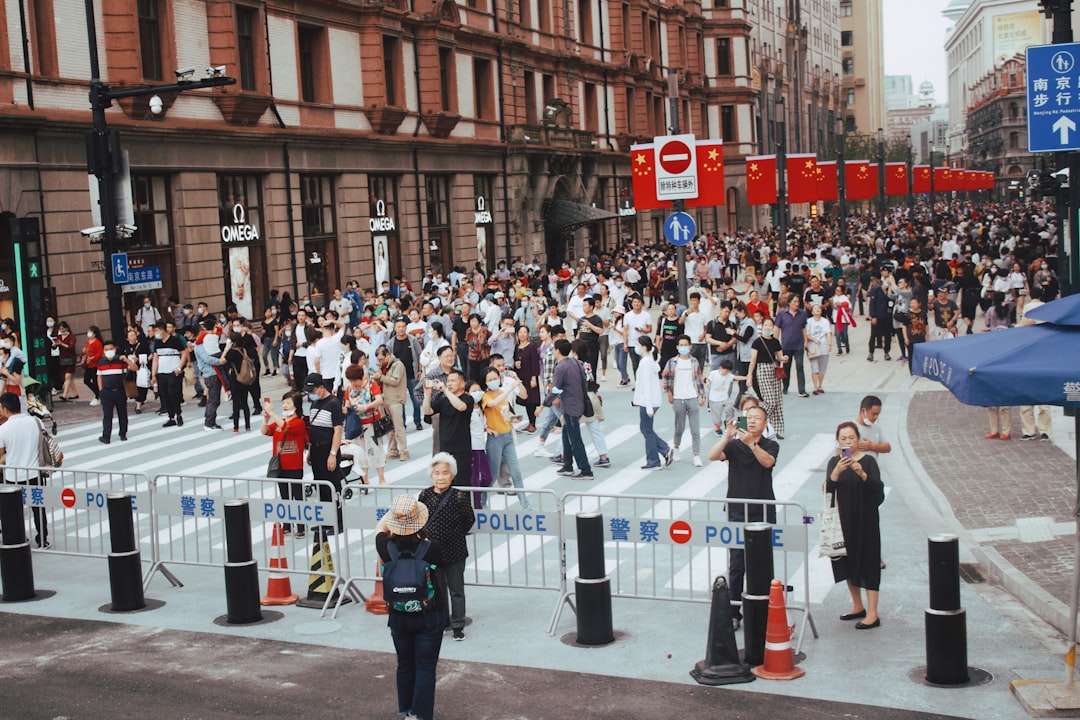
Additionally, the COVID-19 pandemic has underscored the importance of adaptable urban spaces. Cities that quickly pivoted to outdoor dining and public gatherings found that these changes not only supported local economies but also enhanced social interactions among residents. The temporary closure of streets to accommodate outdoor activities revealed how flexible urban design can lead to increased community cohesion [4].
Looking ahead, the future of urban design will likely involve a greater emphasis on sustainability and resilience. As climate change continues to pose risks to urban areas, integrating green infrastructure—such as rain gardens and green roofs—can mitigate environmental impacts while also improving residents’ quality of life. These features not only enhance the aesthetic appeal of cities but also provide essential environmental benefits.
You may also like
 Industry & Global Trends
Cygni Energy, Indus Towers Unite for Telecom Energy Storage
Cygni Energy and Indus Towers have signed a Memorandum of Understanding to develop energy storage solutions for telecom infrastructure, marking a significant step towards sustainability…
Read More →Furthermore, as remote work becomes more prevalent, cities will need to reconsider how they design spaces to accommodate new lifestyles. Mixed-use developments, which combine residential, commercial, and recreational spaces, can encourage a sense of community while reducing reliance on transportation. Such designs may lead to happier, healthier urban living.
Balancing the need for well-designed spaces with the need for inclusive policies remains a critical challenge for urban planners.
Ultimately, the intersection of urban design and psychology presents an opportunity for cities to evolve into more livable, inclusive environments. As planners and policymakers embrace these principles, they have the potential to foster not just physically attractive spaces, but thriving communities where well-being is a priority.