No products in the cart.

DHS Drone Experiment at US-Canada Border | Career Outlook
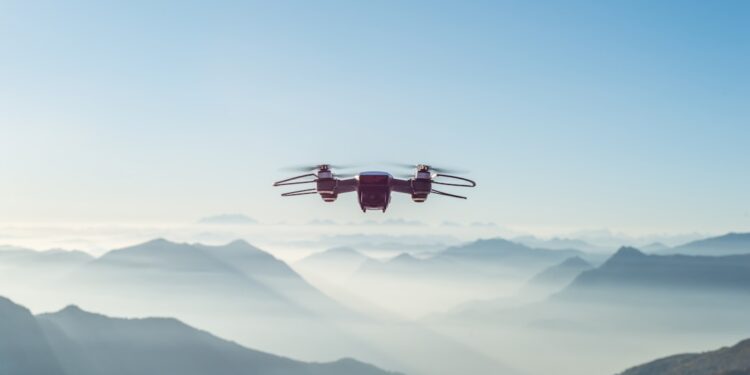
The DHS plans to run an experiment with drones along the US-Canada border. This initiative raises questions about privacy, security, and the future of border management.

Surveillance Meets Technology
The Department of Homeland Security (DHS) is set to launch an ambitious experiment using autonomous drones along the US-Canada border. This initiative aims to stream real-time intelligence over 5G networks, enhancing border security operations. With increasing concerns about illegal crossings and smuggling, the DHS is leveraging cutting-edge technology to bolster its surveillance capabilities.
This move comes at a time when border security is a hot topic in U.S. politics. The use of drones for surveillance is not entirely new, but the scale and technology involved in this experiment represent a significant leap forward. According to reports, the drones will be equipped to gather detailed data, which could reshape how border management is approached in the future.
Moreover, this experiment aligns with a broader trend of integrating technology into law enforcement and border security. As agencies look for innovative solutions to age-old problems, the deployment of drones could provide a way to monitor vast areas more effectively than traditional methods.
Privacy and Ethical Considerations
While the technological advancements promise enhanced security, they also raise significant privacy concerns. Critics argue that the use of drones for surveillance could infringe on the rights of individuals, especially those living near the border. The proposed data collection methods may involve extensive personal information, which raises questions about consent and data protection.
Furthermore, there is a fear that this initiative could lead to increased surveillance and profiling of communities along the border. The ethical implications of using drones for surveillance must be carefully considered, as they could set a precedent for future law enforcement practices. The balance between security and civil liberties is delicate, and this experiment could tip the scale in favor of surveillance.
The ethical implications of using drones for surveillance must be carefully considered, as they could set a precedent for future law enforcement practices.
As public discourse evolves, it remains crucial for policymakers to engage with communities affected by these technologies. Transparency in how data is collected, stored, and used will be essential in addressing public concerns and building trust.
You may also like
 Entrepreneurship & Business
Why Stricter Return Policies Hurt Retailers and Customers
Stricter return policies frustrate consumers and threaten customer loyalty. A carpet seller's approach emphasizes the importance of customer satisfaction over short-term savings.
Read More →Policy Challenges and Accountability
The deployment of drones along the US-Canada border is not just a technological initiative; it has significant policy implications. The DHS must navigate complex regulatory frameworks that govern aerial surveillance and data collection. As the agency moves forward, it will need to address questions about accountability and oversight.
The potential for misuse of drone technology is a concern that cannot be overlooked. Policymakers must establish clear guidelines on how the data collected will be used and who will have access to it. This will require collaboration between various government agencies and stakeholders to ensure that the initiative does not infringe on individual rights.
Moreover, the success of this experiment will depend on public perception and acceptance. If communities view the drones as a threat rather than a tool for safety, it could hinder the effectiveness of the program. Engaging with local populations and addressing their concerns will be vital in shaping the future of drone surveillance policy.

Economic Implications and Technological Investment
The financial aspects of deploying drones for border surveillance are noteworthy. Investing in drone technology requires significant funding, but it could yield long-term savings by reducing manpower costs and enhancing operational efficiency. The DHS’s decision to use autonomous drones reflects a shift towards more cost-effective solutions in border management.
The DHS’s decision to use autonomous drones reflects a shift towards more cost-effective solutions in border management.
Additionally, as the demand for advanced surveillance technology grows, there are economic opportunities for companies specializing in drone manufacturing and data analytics. This initiative could stimulate growth in the tech sector, creating jobs and fostering innovation. However, the economic benefits must be weighed against the potential risks associated with increased surveillance.
Global Perspectives on Drone Surveillance
You may also like
 Entrepreneurship & Business
AI Shopping Agents Force Brands to Innovate Sales Strategies
AI shopping agents are revolutionizing retail marketing. Brands must adapt their strategies to engage with these digital consumers effectively. This shift not only changes how…
Read More →The use of drones for surveillance is not unique to the U.S. Many countries are exploring similar technologies to enhance border security. For instance, nations in Europe and Asia have implemented drone surveillance to monitor illegal crossings and improve border management. This global trend highlights the growing reliance on technology in addressing security challenges.
However, the approach varies significantly by country. While some nations prioritize surveillance, others focus on addressing the root causes of migration and illegal crossings. This divergence in strategy raises questions about the effectiveness of drone surveillance as a standalone solution.

In the context of international relations, the U.S.-Canada border presents a unique case. The two countries share a long history of cooperation on border security, and this drone initiative could either strengthen or strain that relationship. How both nations navigate the implications of this technology will be crucial in shaping future bilateral agreements.
Implications for Future Careers in Technology
The rise of drone technology in security and surveillance presents new career opportunities for young professionals and students. As industries increasingly adopt advanced technologies, there will be a growing demand for skilled workers in drone operation, data analysis, and cybersecurity.
Implications for Future Careers in Technology The rise of drone technology in security and surveillance presents new career opportunities for young professionals and students.
Understanding the implications of these technologies will be crucial for anyone entering the workforce. Those who can navigate the intersection of technology, policy, and ethics will be well-positioned to succeed in this evolving landscape.
You may also like
 Entrepreneurship & Business
Korea to explore business opportunities | Career Outlook
A high-level business delegation from South Korea met local officials in Karnataka to explore investment and technology partnership opportunities in the manufacturing sector, focusing on…
Read More →As the DHS experiment unfolds, it will serve as a case study for future innovations in border security and surveillance, shaping the careers of the next generation of professionals.