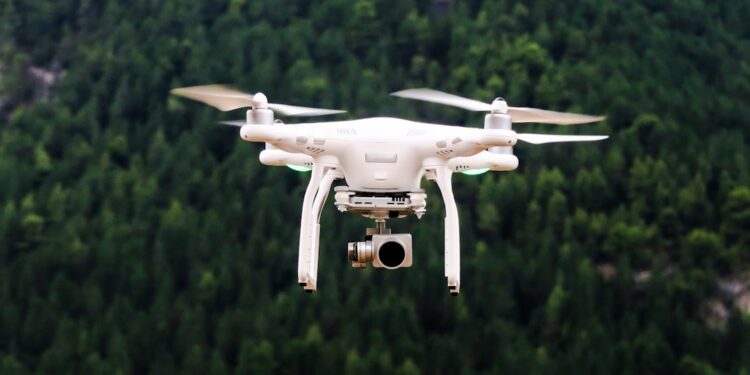
The DHS is launching a drone experiment to bolster border security along the US-Canada border. This initiative raises important questions about technology's role in surveillance and public safety.
Transforming Border Security with Drone Technology
The Department of Homeland Security (DHS) is set to launch an experiment utilizing reconnaissance drones along the US-Canada border. This initiative marks a significant shift in the United States’ approach to surveillance and border enforcement, reflecting an increasing reliance on technology to address security challenges.
These drones are expected to gather real-time intelligence and monitor illegal crossings, contributing to a broader effort to enhance border security.
Key Motivations Behind the Initiative
The DHS’s drone experiment is motivated by several factors. There is a pressing need to improve border security amid rising concerns about illegal immigration and cross-border crime. The drones aim to provide enhanced situational awareness, enabling authorities to respond more effectively to incidents.
This initiative also emphasizes the commitment to leveraging technology for public safety. As threats evolve, so too must the tools employed to combat them, with drone technology representing a critical component of this strategy.
Data Utilization and Policy Implications
The drones will utilize 5G technology for rapid data transmission, facilitating timely decision-making. Experts highlight that drone surveillance can significantly enhance monitoring capabilities over vast stretches of border territory that are challenging to patrol by ground.
As threats evolve, so too must the tools employed to combat them, with drone technology representing a critical component of this strategy.
However, this initiative raises important questions regarding privacy and civil liberties. While the primary goal is to enhance security, concerns about potential overreach and implications for individual rights persist. Balancing security needs with privacy considerations will be crucial as the experiment unfolds.
Challenges and Community Concerns
Despite the potential benefits, significant challenges and debates surround the implementation of drone surveillance. Critics argue that increased surveillance may foster mistrust between communities and law enforcement, with residents in border areas potentially feeling constantly monitored.
Furthermore, there is ongoing discussion about the effectiveness of drone surveillance compared to traditional methods. Some experts contend that while drones can cover large areas, they may not effectively identify individual threats or illegal activities, leading to complacency in human oversight.
Financial implications also pose a concern, as the costs associated with deploying and maintaining drone technology could be substantial. The DHS is exploring potential acquisitions for counter-drone systems, raising questions about budget allocations and resource prioritization.
Implications for Future Border Management
The outcomes of the DHS drone experiment are likely to shape future border security strategies. If successful, it could lead to broader adoption of drone technology across various sectors of law enforcement and public safety.
Marico has increased its stake in Satiya Nutraceuticals to 84.09%, a strategic move expected to enhance revenue growth amid rising consumer demand for health-focused products.…
Implications for Future Border Management
The outcomes of the DHS drone experiment are likely to shape future border security strategies.
However, the initiative must address the concerns raised by critics, ensuring transparency and accountability to gain public trust. The DHS will need to demonstrate its ability to balance security needs with respect for individual rights.
The implications of this initiative may extend beyond the US-Canada border, potentially serving as a model for other countries facing similar challenges in border management.
Emerging Opportunities in Security Technology
The launch of the DHS drone experiment opens new career opportunities in technology and security sectors. As demand for advanced surveillance solutions increases, professionals skilled in drone technology, data analysis, and cybersecurity will be in high demand.
Additionally, individuals interested in public policy and law enforcement will find this area rich with potential for impact. Understanding the intersection of technology and security will be crucial for future leaders in these fields, as the evolving landscape of border security encompasses complex social and ethical issues.



Entrepreneurship & Business