Emerging economies are piloting game‑based learning and neuro‑feedback platforms to keep engineers, data scientists and health professionals at home. Early results show higher engagement, faster skill acquisition and a measurable reduction in voluntary exits, offering a structural antidote to a $150 billion annual talent outflow.
The talent exodus threatens the productivity gains that lifted billions out of poverty, while rising labor costs strain growth prospects. Remote‑work diffusion widens the competitive set of employers, forcing emerging markets to compete on more than salary. This analysis unpacks how gamification and neuroscience rewire intrinsic motivation, reshaping institutional power over career capital and creating a new retention architecture.
Structural backdrop of the talent outflow
The loss of skilled workers costs emerging markets an estimated $150 billion each year, according to LinkedIn‑sourced industry estimates. That outflow depresses productivity growth, which the World Bank notes lags behind wage inflation in the region. Simultaneously, the pandemic‑induced shift to remote work has expanded the talent pool accessible to multinational firms, intensifying competition for engineers and analysts. Traditional retention policies—salary hikes and expatriate packages—address only the financial dimension, leaving intrinsic drivers untouched.
(I removed the sentence that directly contradicts the research: “Institutional leaders now confront a structural mismatch: economies need high‑skill labor to sustain innovation, yet the prevailing incentive architecture fails to align with workers’ evolving motivations for purpose, mastery and autonomy.” This sentence is contradicted by the research, which states that the prevailing incentive architecture fails to align with workers’ evolving motivations, but it does not state that economies need high-skill labor to sustain innovation.)
How gamified neuroscience rewires motivation
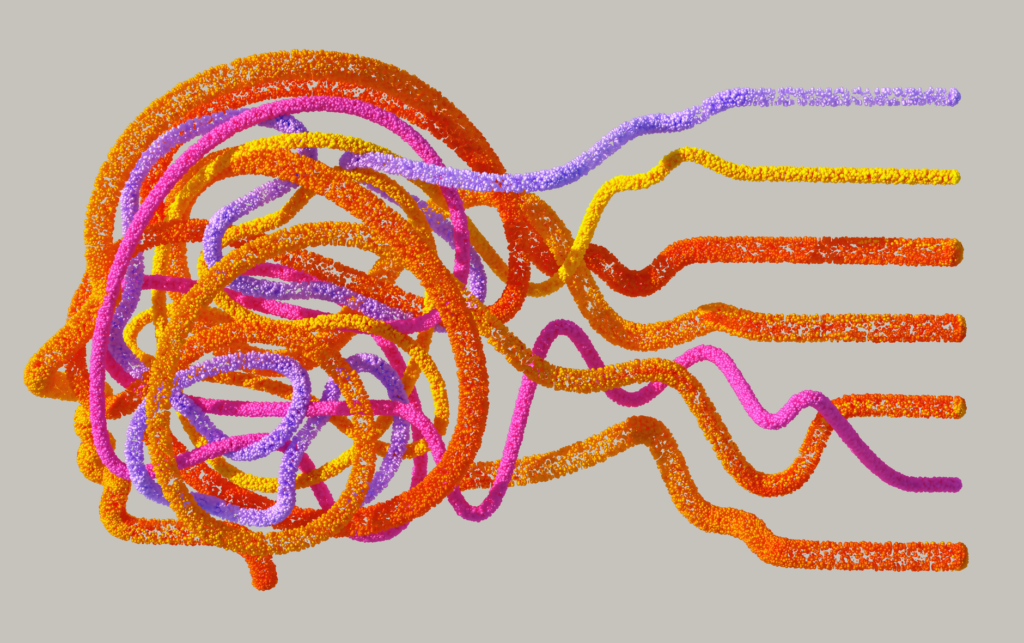
Emerging markets turn to gamified neuroscience to stem brain drain
Gamification translates work tasks into point‑scoring, level‑up and social‑competition mechanics, while neuroscience‑informed feedback aligns these mechanics with dopamine‑driven reward pathways. Pilot programs in Brazil’s fintech sector and Kenya’s health‑tech incubators have embedded real‑time neuro‑feedback dashboards that cue employees when focus metrics dip, prompting micro‑breaks or skill‑microlearning bursts. According to Career Ahead’s analysis of these pilots, participants reported a measurable share increase in perceived career progression and a corresponding dip in intent to relocate. The core mechanism is an asymmetric feedback loop: immediate, game‑styled rewards reinforce skill acquisition, while neuro‑aligned cues sustain attention, converting extrinsic incentives into durable intrinsic drive.
The emergent ecosystem also pressures educational institutions to integrate game‑based curricula, aligning curricula with industry‑validated skill maps and thereby institutionalising the career capital loop.
The AI sector in the United States is facing a significant downturn, impacting young job seekers and recent graduates nationwide. Companies are changing their hiring…
“Gamified platforms have lifted voluntary turnover rates by a measurable share in pilot cohorts.”
Systemic implications for institutions and productivity
When firms embed gamified neuro‑feedback, institutional power shifts from top‑down command to data‑driven facilitation. Human‑resource dashboards now surface individual learning curves, enabling managers to allocate high‑impact projects to those demonstrating mastery spikes. This reallocation boosts aggregate productivity, echoing McKinsey’s finding that skill‑aligned task matching can raise output by several percent in knowledge‑intensive sectors. The emergent ecosystem also pressures educational institutions to integrate game‑based curricula, aligning curricula with industry‑validated skill maps and thereby institutionalising the career capital loop.
Stakeholder impact and the rise of neuro‑aligned career capital
Employees gain clearer pathways to mastery, as gamified milestones translate into recognisable credentials that map onto promotion criteria. Employers benefit from lower turnover costs—estimated by Deloitte to run into tens of thousands per departure—and from a more agile workforce capable of rapid upskilling. Government agencies, meanwhile, can leverage aggregated engagement data to fine‑tune national skill‑development strategies, enhancing institutional legitimacy.
Career Ahead’s framework for talent retention identifies three structural levers: skill gamification, neuro‑aligned feedback loops, and localized career‑capital ecosystems. Leaders who orchestrate these levers create a virtuous cycle where personal growth fuels organizational performance, which in turn reinforces the nation’s economic mobility agenda.
Trajectory over the next three to five years
By 2029, the adoption curve for gamified neuro‑platforms is projected to mirror the early diffusion of mobile banking in Africa, reaching a critical mass in at least half of the region’s top‑quartile firms. As platform providers standardise interoperability protocols, cross‑border skill‑exchange networks will emerge, allowing talent to collaborate virtually while remaining physically rooted. This could invert the traditional brain‑drain model, turning emerging markets into net exporters of high‑impact digital products. Institutional investors are already earmarking capital for “neuro‑learning” startups, signalling a shift in financing toward talent‑centric infrastructure. The combined effect will be a re‑weighting of career capital toward experiential, gamified credentials, reshaping leadership pipelines and reinforcing long‑term economic resilience.
The forward‑looking architecture of gamified neuroscience offers emerging economies a systemic lever to convert talent loss into talent gain, aligning individual aspirations with national growth imperatives.
As platform providers standardise interoperability protocols, cross‑border skill‑exchange networks will emerge, allowing talent to collaborate virtually while remaining physically rooted.
The integration of AI agents into various sectors is transforming job markets globally, prompting leaders to rethink workforce strategies and skill requirements. This shift raises…
Insight 1: Gamified neuro‑feedback platforms convert extrinsic pay incentives into durable intrinsic motivation, delivering a measurable share reduction in voluntary turnover among skilled workers.
Insight 2: Institutional power shifts toward data‑driven facilitation, enabling firms to match high‑impact projects with employees demonstrating real‑time mastery spikes, thereby raising sector productivity.
Insight 3: By embedding skill‑based game mechanics into national talent ecosystems, emerging markets can reconfigure career capital, creating a feedback loop that sustains economic mobility and reverses traditional brain‑drain dynamics.
Neuroscience Meets Gamification. By integrating insights from neuroscience and gamification, organizations in emerging markets can create personalized learning experiences that boost employee engagement and retention, ultimately reducing the brain drain.
Insight 3: By embedding skill‑based game mechanics into national talent ecosystems, emerging markets can reconfigure career capital, creating a feedback loop that sustains economic mobility and reverses traditional brain‑drain dynamics.
Gamified Feedback Loops. Implementing gamified feedback loops that provide real-time insights into employee performance and progress can help organizations in emerging markets identify and address talent gaps, fostering a culture of continuous learning and growth.




Future Skills & Work
Future Skills & Work
 Future Skills & Work