No products in the cart.

Digital Tools Revive Indigenous Languages and Heritage Worldwide
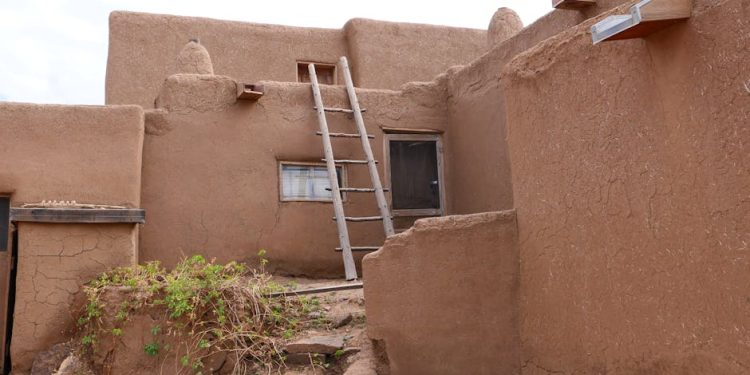
Indigenous languages face extinction, but new digital tools are helping communities worldwide preserve their heritage. From AI-powered transcription to immersive VR archives, technology offers fresh hope for cultural survival.

Nunavut, Canada — Indigenous languages are disappearing at an alarming rate, with UNESCO estimating that nearly 40% of the world's 7,000 languages are endangered. Across continents, digital technologies are emerging as critical tools for preserving these languages and the cultural heritage they carry. From AI-driven transcription systems to virtual reality archives, communities and organizations are harnessing innovation to safeguard traditions that risk vanishing within decades. Why does this matter now? Language is more than communication; it is identity, worldview, and history encoded in sound. As global homogenization accelerates, indigenous languages face extinction, erasing millennia of knowledge. Digital preservation efforts offer a scalable, accessible solution that empowers communities and researchers alike. This movement intersects with education, technology, and policy, shaping how future generations connect with their roots and build inclusive societies.
Digital Preservation: A New Lifeline for Indigenous Languages
Technological advances are proving indispensable in language documentation and revitalization. The Endangered Languages Project, supported by the University of Hawai'i and Google, offers an open platform where communities upload recordings, texts, and dictionaries. The initiative leverages cloud storage and AI to analyze and catalog linguistic features, making endangered languages accessible globally. In Australia, the Muurrbay Aboriginal Language and Culture Co-operative uses AI-based transcription tools to convert audio interviews with elders into searchable text, drastically reducing manual labor in documentation. This accelerates the creation of teaching materials and digital dictionaries, vital resources for language learners.

Preserving Culture Through Immersive Technologies
Beyond language, digital preservation extends to cultural practices, rituals, and oral histories. Virtual reality (VR) is enabling immersive experiences that capture indigenous ceremonies and environments in 3D. The Smithsonian Institution’s Recovering Voices program collaborates with indigenous groups to create VR archives that users can explore, offering an intimate connection to ancestral lands and customs. Similarly, New Zealand’s Ministry for Culture and Heritage funds digital storytelling projects where Māori elders narrate legends and histories, recorded with 360-degree video. These projects ensure cultural transmission is more than text-based, capturing the emotional and performative dimensions of heritage.
Digital Preservation: A New Lifeline for Indigenous Languages Technological advances are proving indispensable in language documentation and revitalization.
You may also like
 News
NewsIndia’s Prime Minister Narendra Modi Launches Instagram Campaign to Reach Young Voters
Prime Minister Narendra Modi began posting raw‑style Instagram reels on August 6, 2026, targeting India's Gen Z electorate after youth job protests.
Read More →
Challenges in Digital Cultural Preservation
While promising, digital preservation faces hurdles. Data sovereignty is a critical concern. Indigenous groups insist on controlling how their cultural data is stored, accessed, and used. The First Nations Information Governance Centre in Canada advocates for community ownership and ethical standards, emphasizing that technology must serve indigenous interests, not exploit them. Funding and infrastructure gaps also limit reach. Many indigenous communities in remote regions lack reliable internet or technical training. Nonprofits and governments are increasingly partnering to provide resources, yet the digital divide remains a barrier in places like the Amazon and parts of Africa.
Global Policy and Educational Implications
International bodies are recognizing digital preservation’s importance. UNESCO’s Atlas of the World’s Languages in Danger integrates digital tools for real-time monitoring of language vitality. The UN Declaration on the Rights of Indigenous Peoples supports access to technology and education tailored to indigenous languages and cultures. Educational institutions are incorporating indigenous language content into curricula using digital platforms. For example, the University of Alaska Fairbanks offers online courses in Iñupiaq, combining video lessons with interactive AI tutors. This approach broadens access for diaspora populations and younger generations who may not speak their ancestral tongue fluently.

Looking Ahead: Technology as Cultural Stewardship
As digital preservation matures, the focus will increasingly shift to sustainability and community empowerment. Emerging AI models can help generate new content in endangered languages, supporting creative expression alongside documentation. Blockchain technology is being explored to ensure transparent, immutable records of cultural ownership and consent. For professionals in education, technology, and policy, the lesson is clear: cultural preservation must be collaborative and respectful, integrating indigenous knowledge systems with cutting-edge tools. The stakes extend beyond language survival—they touch on human rights, innovation, and the future of global diversity. In this evolving landscape, digital tools are not just archives. They are living bridges connecting past and future, enabling indigenous communities worldwide to reclaim their heritage and shape its digital future on their own terms.