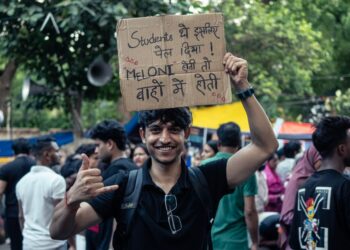
The Cockroach Party, a grassroots movement, galvanized youth and student support, drawing attention to issues such as outdated curricula and inadequate funding for educational institutions.
India’s Education Minister resigned on July 25, 2026, following weeks of protests led by the Cockroach Janta Party. This resignation is seen as a significant victory for the protesters, who have voiced deep-seated frustrations over the current educational policies. The minister’s departure is expected to lead to shifts in educational reforms across the nation.
The Cockroach Party, a grassroots movement, galvanized youth and student support, drawing attention to issues such as outdated curricula and inadequate funding for educational institutions. Their protests have highlighted the disconnect between policymakers and the needs of young people, emphasizing the demand for a more inclusive and responsive educational framework. According to a report by The New York Times, the protests not only targeted the minister’s policies but also reflected a broader discontent among the youth regarding the government’s approach to education, which many feel has not kept pace with the changing demands of society.
Impact on Educational Reforms in India
Career Ahead’s analysis indicates that the resignation of the Education Minister may catalyze significant changes in educational policies. With a new minister expected to be appointed, there is a potential for reforms that align more closely with the demands of youth activists. These reforms may include updates to curricula, increased funding for public education, and initiatives aimed at making education more accessible. The New York Times further elaborates on this potential shift, noting that the new administration may prioritize educational reforms that not only modernize content but also address infrastructural inadequacies that have long plagued the system.
The protests led by the Cockroach Party have underscored the importance of student voices in shaping educational policy. As the government faces pressure to address these concerns, it may prioritize reforms that focus on modernizing educational content and improving infrastructure. This shift could lead to a more engaged and motivated student body, better prepared for the challenges of the modern workforce. Furthermore, the resignation signals a recognition by the government of the power of youth activism. As young people continue to mobilize and advocate for their rights, it is likely that their influence on policy decisions will grow. Educational institutions may need to adapt to this changing landscape, fostering environments that encourage student participation and feedback.
Career Ahead research finds that similar movements in other countries have led to substantial educational reforms, suggesting that the current protests in India could herald a new era of accountability and responsiveness in governance. The trajectory of these changes will depend on how effectively the new administration engages with young activists and addresses their concerns. The resignation of the Education Minister is not just a political event; it is a reflection of the shifting dynamics between the youth and the government, where the former is increasingly asserting its voice in the political arena.
The government might consider implementing feedback mechanisms that allow students to express their opinions on educational reforms, thus ensuring that future policies are more aligned with the needs of the youth.
Mumbai University students voice concerns over NEP 2020 implementation, highlighting challenges with on-the-job training, credit transfers, and exam pressures that threaten educational equity and employability.
Moreover, the resignation may also lead to a re-evaluation of educational policies that have been in place for decades. The government might consider implementing feedback mechanisms that allow students to express their opinions on educational reforms, thus ensuring that future policies are more aligned with the needs of the youth. This could be a pivotal moment for educational policy in India, as it opens the door for a more collaborative approach between the government and its younger constituents.
Potential Changes in Youth Engagement Strategies
The resignation of the Education Minister opens the door for new youth engagement strategies within the educational system. As the government seeks to rebuild trust with young people, there may be an emphasis on creating platforms for dialogue and collaboration between students and policymakers. This could involve establishing advisory councils or forums where student representatives can voice their opinions and influence decision-making processes. The New York Times highlights that such initiatives could empower students and provide them with a stake in the educational reforms that directly affect their lives.
Career Ahead’s analysis shows that effective youth engagement can lead to more relevant and impactful educational policies. By involving students in the reform process, the government can better understand the challenges they face and tailor solutions accordingly. This participatory approach not only empowers young people but also enhances the legitimacy of the policies implemented. Furthermore, educational institutions may also look to incorporate civic education into their curricula, teaching students about their rights and responsibilities, thereby fostering a sense of agency and encouraging active participation in democratic processes.
As youth activism continues to rise, educational institutions may also explore partnerships with non-governmental organizations (NGOs) and community groups to amplify student voices. These collaborations can provide resources and support for student-led initiatives, further strengthening the impact of youth activism on educational policy. The potential for these changes emphasizes the need for education policy analysts to closely monitor developments in youth engagement strategies. Understanding how these strategies evolve will be crucial for predicting the future landscape of education in India.
Moreover, as the political climate shifts, there may be an increasing focus on integrating technology into educational reforms. This could include the use of digital platforms for student feedback and engagement, making it easier for young people to participate in discussions about their education. Such innovations could revolutionize how educational policies are developed and implemented, ensuring that they are more responsive to the needs of the youth.
Career Ahead’s analysis shows that effective youth engagement can lead to more relevant and impactful educational policies.
The resignation of the Education Minister marks a significant turning point in India’s educational landscape. As youth activism continues to shape policy decisions, the future of education in India may be more responsive to the needs and aspirations of young people. The success of the Cockroach Party in mobilizing youth support demonstrates the potential for grassroots movements to effect change, setting a precedent for future activism across various sectors.
Frequently Asked Questions
What are the implications of the education minister’s resignation for education policy analysts?
Career Ahead’s analysis indicates that education policy analysts should expect a renewed focus on youth engagement and curriculum reform. The resignation may lead to a shift in priorities, emphasizing the need for policies that align with the demands of young activists.
How can youth activists leverage this victory for future campaigns?
Youth activists can use this victory to build momentum for future campaigns by highlighting the power of grassroots movements. By showcasing their achievements, they can inspire greater participation and mobilization around other pressing issues.
What should education policy analysts monitor following this political change?
Education policy analysts should monitor the appointment of the new education minister and any proposed reforms. They should also watch for changes in youth engagement strategies and the potential emergence of new activist movements.



Education & University Insights

Education & University Insights