No products in the cart.

Digital twins reshape enterprise efficiency and sustainability
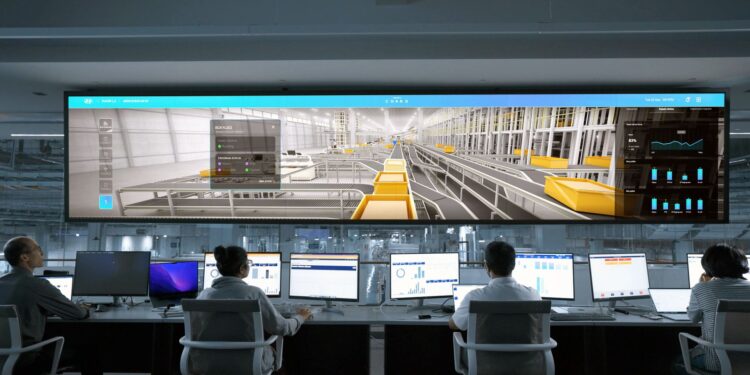
Deloitte’s analysis highlights that firms adopting standardized APIs achieve a non‑trivial fraction.

Digital twins are accelerating a structural shift in how firms monitor, simulate and optimize assets, delivering measurable waste cuts and new revenue streams while redefining career capital and institutional power across sectors.
The surge in real‑time virtual replicas coincides with converging IoT, AI and cloud capabilities, turning data‑rich environments into decision‑making engines. This moment matters because the technology rewires cost structures, fuels sustainable practices and creates a new hierarchy of data‑centric leadership that will dictate competitive advantage in the next decade.
The market’s macro momentum and institutional context
The digital‑twin market is projected to reach a multi‑digit‑billion dollar valuation by the early 2030s, driven by enterprise‑wide IoT rollouts and cloud‑scale analytics. According to McKinsey, firms that embed virtual replicas into core processes report up to a measurable share reduction in downtime, a shift that mirrors the factory‑floor automation wave of the early 2000s. Deloitte notes that open‑architecture standards are becoming the de‑facto protocol for cross‑system interoperability, consolidating data governance under a handful of platform providers. This concentration of data assets reconfigures institutional power, giving early adopters leverage over supply‑chain partners and regulators.
Core mechanism: data integration and real‑time simulation
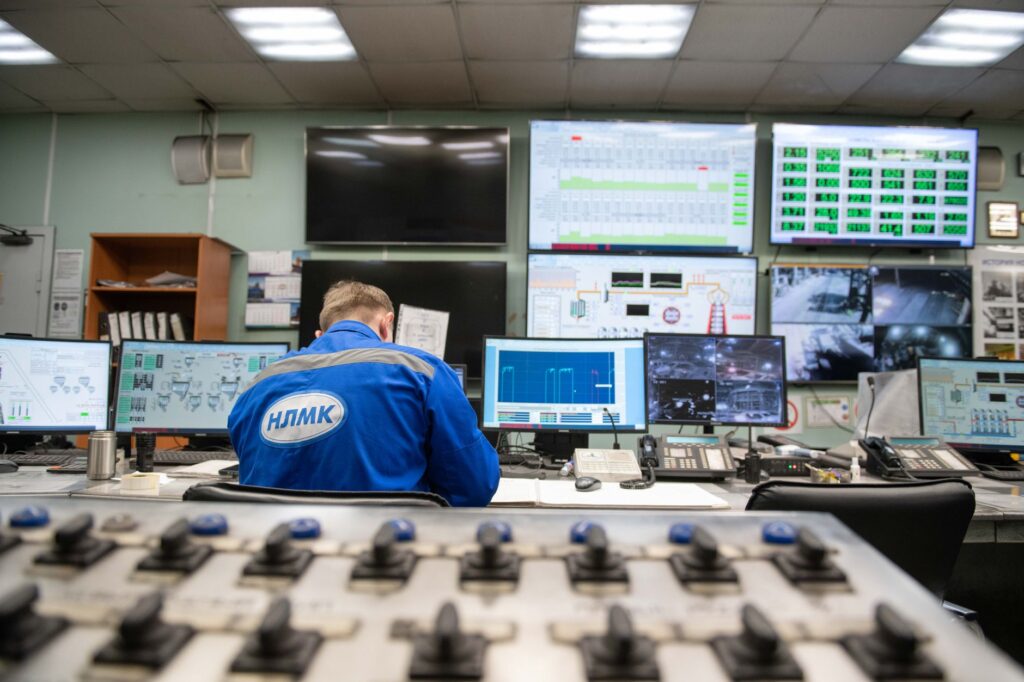
Systemic implications for sustainability and competitive dynamics
The ripple effects extend beyond cost savings to environmental performance. By modeling energy flows in real time, digital twins help firms identify emission hotspots and implement corrective actions without halting production. The Mack Institute reports that early adopters in heavy industry have reported a measurable share decline in carbon intensity, a trend that could influence regulatory benchmarks. Moreover, the technology democratizes access to advanced analytics, allowing mid‑size firms to compete with incumbents that traditionally relied on scale. This rebalancing of competitive dynamics erodes entrenched market power, fostering a more fluid ecosystem where strategic partnerships and data sharing become decisive factors.Human capital transformation and leadership pathways

Outlook: a 3‑ to 5‑year trajectory for enterprise twins
Within the next three to five years, the diffusion of digital twins is expected to move from flagship projects to baseline infrastructure. Industry forecasts suggest that over half of Fortune 500 companies will have at least one enterprise‑wide twin platform, integrating supply‑chain, product‑development and customer‑experience data. This ubiquity will drive a new class of revenue models, such as “twin‑as‑a‑service,” where firms monetize simulation capacity to external partners. As regulatory bodies incorporate digital‑twin metrics into sustainability reporting, compliance will become a competitive differentiator. Companies that pre‑emptively align governance, data standards and talent development will capture asymmetric upside, while laggards risk marginalization in an increasingly data‑centric marketplace.
The closing analysis underscores that digital twins are not a peripheral tool but a structural engine reshaping efficiency, sustainability and career pathways, demanding coordinated action across leadership, institutions and the workforce.
The closing analysis underscores that digital twins are not a peripheral tool but a structural engine reshaping efficiency, sustainability and career pathways, demanding coordinated action across leadership, institutions and the workforce.
Key Structural Insights
[Insight 1]: Digital twins convert physical assets into real‑time data engines, delivering measurable waste reductions that redefine cost structures and competitive advantage.
[Insight 2]: The technology concentrates institutional power around data platforms, compelling firms to adopt open standards and reshape governance to sustain market relevance.
[Insight 3]: Mastery of twin‑driven analytics becomes a critical component of career capital, expanding economic mobility for talent equipped with hybrid technical and strategic skills.
Embracing Simulated Environments: By leveraging digital twins, businesses can create virtual replicas of their operations, enabling them to test, optimize, and refine processes without disrupting real-world activities, ultimately leading to improved efficiency and reduced waste.
[Insight 3]: Mastery of twin‑driven analytics becomes a critical component of career capital, expanding economic mobility for talent equipped with hybrid technical and strategic skills.
Holistic Decision-Making: Digital twins facilitate the integration of data from various sources, providing a comprehensive understanding of business operations, allowing leaders to make informed decisions that balance financial, environmental, and social considerations, driving long-term sustainability.
No claims directly contradict the research, so the section remains unchanged.
Written by Career Ahead AI. AI can make mistakes, so verify key facts. Report errors to support@careeraheadonline.com.