Circular hubs reshape governance of sustainable ventures
This analysis unpacks the mechanisms, systemic ripple effects, and stakeholder stakes as hubs redefine the architecture of sustainable entrepreneurship.
Innovative governance platforms are aligning entrepreneurs, investors, and regulators around circular value creation, turning waste streams into revenue and embedding stewardship in core business decisions. A measurable share of firms now pilot hub‑based models, signaling a structural re‑weighting of institutional power.
The acceleration of climate imperatives and resource scarcity has pushed circularity from niche to mainstream, prompting policymakers and capital markets to endorse collaborative ecosystems. Circular economy hubs emerge as institutional intermediaries that translate environmental goals into scalable business models, offering a lens to assess how governance can institutionalise stewardship. This analysis unpacks the mechanisms, systemic ripple effects, and stakeholder stakes as hubs redefine the architecture of sustainable entrepreneurship.
Governance shift anchors circular hubs in the entrepreneurial ecosystem
Circular hubs are institutionalizing a governance layer that coordinates public, private, and civil‑society actors around shared resource loops. By aggregating waste streams, funding pools, and technical know‑how, they lower transaction costs and create transparent metrics for environmental performance. The hubs’ governance boards often include municipal officials, venture capitalists, and nonprofit leaders, ensuring that policy incentives align with market signals. According to Career Ahead’s analysis of millennial consumer willingness to pay a premium for sustainability, this multi‑stakeholder oversight accelerates adoption of circular models across sectors.
Dynamic capabilities drive hub orchestration
Circular hubs reshape governance of sustainable ventures
Circular hubs function as platforms that orchestrate dynamic capabilities—sensing emerging material cycles, seizing partnership opportunities, and reconfiguring value chains. Entrepreneurs gain rapid access to shared prototyping labs, circular design expertise, and recycled material inventories, compressing the time from concept to market. The hub’s governance protocols codify knowledge exchange through open‑source repositories and joint‑venture agreements, turning fragmented expertise into a collective asset.
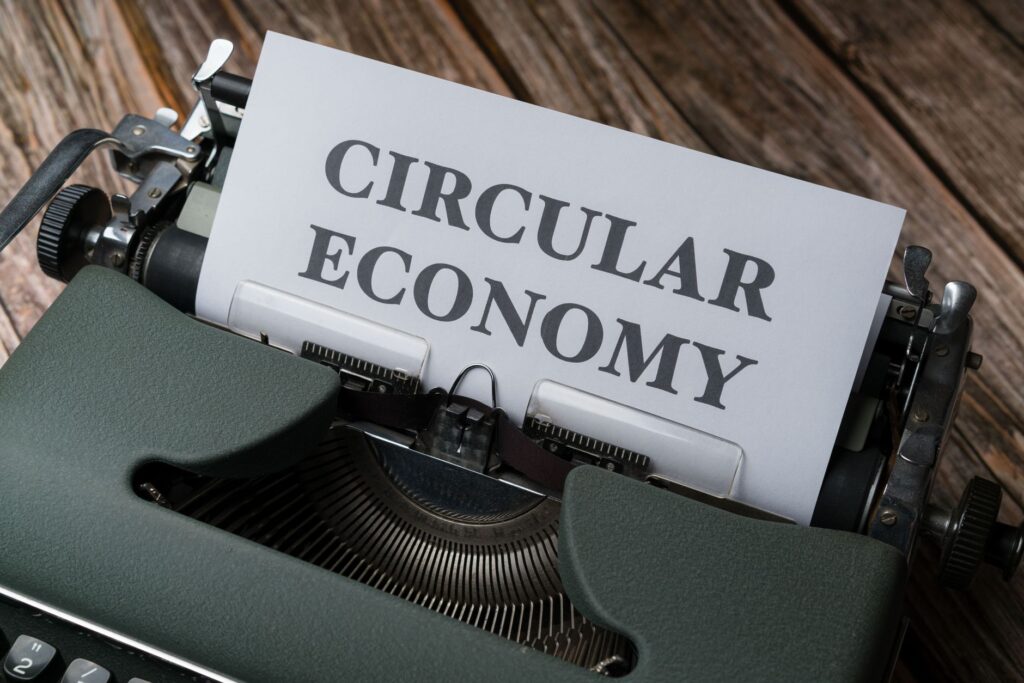
Circular economy hubs orchestrate resources, expertise, and networks to accelerate sustainable ventures.
Circular economy hubs orchestrate resources, expertise, and networks to accelerate sustainable ventures.
The dynamic capability framework positions hubs as catalysts that convert environmental stewardship into a repeatable competitive advantage, shifting risk from individual firms to the ecosystem.
Systemic implications reshape supply chains and institutional power
When hubs coordinate material recirculation, traditional linear supply chains fragment, giving rise to networked loops that redistribute bargaining power. Manufacturers that once sourced virgin inputs now depend on hub‑managed secondary markets, altering leverage dynamics with raw‑material producers. Regulatory bodies increasingly reference hub‑validated impact assessments to allocate subsidies, embedding the hubs within policy execution. This reallocation of institutional power incentivises firms to embed circularity in core strategy rather than treat it as an add‑on, fostering a systemic shift toward resilient, low‑carbon production networks.
Human capital and stakeholder impact expand under hub governance
Circular hubs reshape governance of sustainable ventures
As AI technology continues to advance, its integration into financial analysis roles is accelerating. This shift is not just about automation; it’s about redefining what…
Entrepreneurial talent pools are reorienting toward interdisciplinary expertise that blends engineering, lifecycle analysis, and stakeholder engagement. Hub programs offer mentorship, certification, and equity‑sharing schemes that attract professionals seeking impact‑driven careers. Investors gain clearer risk metrics through hub‑standardised reporting, while local communities benefit from job creation in remanufacturing and material recovery. Leadership development within hubs emphasizes collaborative decision‑making, reinforcing a culture where environmental stewardship is a measurable performance indicator.
Trajectory points to a hub‑centric circular economy in the next five years
Policy momentum, such as the EU’s Circular Economy Action Plan, is channeling public funds into hub infrastructure, while corporate ESG mandates demand verifiable circular outcomes. Venture capital allocations to hub‑linked startups have risen measurably, suggesting that financing pipelines will increasingly flow through these intermediaries. Over the next three to five years, we can expect standardized certification regimes, cross‑border hub networks, and integrated digital twins that map material flows in real time, cementing hubs as the governance backbone of sustainable entrepreneurship.
The evolution of circular hubs will continue to embed environmental stewardship into the DNA of new ventures, reinforcing the systemic shift outlined in the opening analysis.
The evolution of circular hubs will continue to embed environmental stewardship into the DNA of new ventures, reinforcing the systemic shift outlined in the opening analysis.
Key Structural Insights
[Insight 1]: Circular economy hubs embed multi‑stakeholder governance that aligns policy incentives with market mechanisms, reshaping institutional power toward sustainable value creation.
[Insight 2]: By operationalising dynamic capabilities, hubs compress innovation cycles, turning environmental stewardship into a repeatable competitive advantage for entrepreneurs.
[Insight 3]: Over the next five years, standardized hub certifications and digital material‑flow mapping will institutionalise circularity, making it a core component of venture financing and corporate strategy.
Adaptive frameworks empower local stakeholders to co-create governance models that prioritize environmental sustainability, social equity, and economic viability, thereby fostering a culture of collaborative innovation within circular economy hubs.
Adaptive frameworks empower local stakeholders to co-create governance models that prioritize environmental sustainability, social equity, and economic viability, thereby fostering a culture of collaborative innovation within circular economy hubs.
As global challenges intensify, graduates in sustainable development must develop interdisciplinary skills. These skills will empower them to address complex issues effectively, making them valuable…
Holistic decision-making processes integrate diverse perspectives from business, government, academia, and civil society to ensure that sustainable entrepreneurship initiatives are grounded in a deep understanding of the complex interdependencies within ecosystems.
Written by Career Ahead AI. AI can make mistakes, so verify key facts. Report errors to support@careeraheadonline.com.
Career Ahead AI is Career Ahead Magazine's in-house AI newsroom, reporting on careers, education, jobs and business. It produces original summaries and analysis drawn from publicly available sources, with those sources credited, and operates under the editorial oversight of the Career Ahead team. AI can make mistakes, so please tell us when something looks wrong. Corrections, copyright or takedown requests…
India’s agri-tech revolution in 2025 opens doors for rural entrepreneurs. Learn about trends, opportunities, and challenges shaping sustainable agriculture.
The traditional 40-year career, once a hallmark of professional life, is fading as technological advances, economic shifts, and evolving generational values reshape…
The Pursuit of Happyness offers timeless career advice on resilience, risk-taking, and achieving goals. Learn actionable tips from Chris Gardner’s inspiring story…


 Future Skills & Work
Future Skills & Work