No products in the cart.

Distalmotion Revolutionizes ASC with Robotics
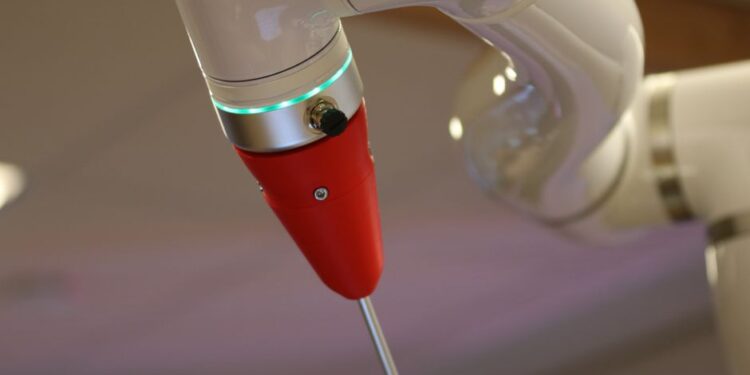
Distalmotion's Dexter Robotic Surgery System is transforming surgical procedures in ambulatory surgical centers (ASCs) by enhancing efficiency, improving patient outcomes, and expanding service offerings. This innovation reflects a broader trend in healthcare towards robotic-assisted surgeries, which are gaining traction globally as healthcare systems seek to improve care while managing costs.

Distalmotion has launched its Dexter Robotic Surgery System, a groundbreaking technology designed to enhance surgical procedures in ambulatory surgical centers (ASCs). This innovation, revealed on June 18, 2026, aims to streamline operations and improve patient outcomes across the healthcare sector. The Dexter system’s unique capabilities are expected to significantly impact how surgeries are performed in ASCs, which have historically lacked access to advanced robotic technologies.
The introduction of the Dexter system comes at a time when ASCs are increasingly becoming the preferred setting for various surgical procedures. With the healthcare industry shifting toward outpatient care, the demand for efficient and effective surgical solutions is higher than ever. Distalmotion’s CEO, Greg Roche, emphasized the system’s design, stating it is simple yet sophisticated, catering to the needs of modern surgical practices. Roche noted that the Dexter system is designed to be user-friendly, which is critical for its adoption in ASCs where staff may not have extensive experience with robotic technologies.
Transforming Surgical Efficiency in ASCs
The Dexter Robotic Surgery System is designed to address the growing need for efficiency in ASCs. By utilizing a single-use instrument platform, the system simplifies the surgical process, allowing for quicker setup and reduced turnaround times between procedures. This is particularly beneficial for ASCs, which operate under tight scheduling constraints and require high patient throughput to maintain profitability. According to a report by Medtech Dive, the shift towards ASCs is driven by the need for cost-effective healthcare solutions, and the Dexter system is positioned to meet this demand effectively.
Career Ahead’s analysis finds that the Dexter system not only enhances operational efficiency but also improves patient safety and outcomes. The robotic system allows for greater precision in surgical procedures, which can lead to fewer complications and faster recovery times for patients. As ASCs adopt this technology, they may see a reduction in the length of hospital stays and a decrease in post-operative complications, which is crucial for maintaining patient satisfaction and trust. Furthermore, the integration of robotic systems like Dexter can help ASCs expand their service offerings, allowing them to perform more complex procedures that were previously limited to larger hospitals.
Moreover, the Dexter system’s user-friendly interface is designed to shorten the learning curve for surgical teams. This is a significant factor in its adoption, as many ASCs face challenges in training staff on complex robotic systems. Distalmotion’s focus on ease of use could lead to a broader acceptance of robotic surgery in outpatient settings, where traditional surgical methods have been the norm. The company is committed to providing comprehensive training programs that are tailored to the specific needs of ASCs, ensuring that surgical teams can maximize the system’s capabilities. This proactive approach not only facilitates smoother adoption but also empowers surgical teams to enhance their skills and confidence when using robotic systems.
Career Ahead’s analysis finds that the Dexter system not only enhances operational efficiency but also improves patient safety and outcomes.
You may also like
 AI & Technology
OpenAI Halts Work on AI Model, US Invests
OpenAI has paused its AI model development, prompting a shift in funding and ethical practices in AI research. Concurrently, the US government is increasing investments…
Read More →The potential for increased efficiency and improved outcomes positions the Dexter system as a pivotal player in the future of surgical practices within ASCs. As more facilities adopt this technology, the landscape of outpatient surgery is likely to evolve, with robotic systems becoming standard tools for a variety of procedures. This evolution is supported by the growing body of evidence that highlights the benefits of robotic surgery, including enhanced precision and reduced recovery times, which are critical factors for patient satisfaction.
Impact on Training and Adoption of Robotic Systems
The successful integration of the Dexter Robotic Surgery System into ASCs hinges on effective training and support for surgical staff. Distalmotion recognizes this need and has committed to providing comprehensive training programs to ensure that surgical teams can maximize the system’s capabilities. This focus on education is vital, as many healthcare professionals may be hesitant to adopt new technologies without adequate training. Distalmotion’s training initiatives are designed to address these concerns, offering hands-on training and ongoing support to facilitate a smoother transition to robotic-assisted procedures.
Career Ahead research identifies that the training programs associated with the Dexter system are tailored to the specific needs of ASCs. By offering hands-on training and ongoing support, Distalmotion aims to alleviate concerns related to the complexity of robotic surgery. This proactive approach not only facilitates smoother adoption but also empowers surgical teams to enhance their skills and confidence when using robotic systems. Furthermore, the introduction of the Dexter system may encourage ASCs to expand their service offerings. With the ability to perform more complex procedures using robotic assistance, centers may attract a broader patient base seeking advanced surgical options. This could lead to increased revenue streams and a stronger competitive position within the healthcare market.
As ASCs embrace robotic technology, the demand for skilled robotic surgery engineers will likely rise. These professionals will play a crucial role in maintaining and optimizing robotic systems, ensuring that ASCs can deliver high-quality care. Career Ahead’s analysis shows that the integration of robotic systems into outpatient settings not only enhances surgical outcomes but also creates new career opportunities in the healthcare sector. The growing reliance on robotic systems will necessitate a workforce that is proficient in both the technical and operational aspects of these advanced technologies, further underscoring the importance of targeted training programs.
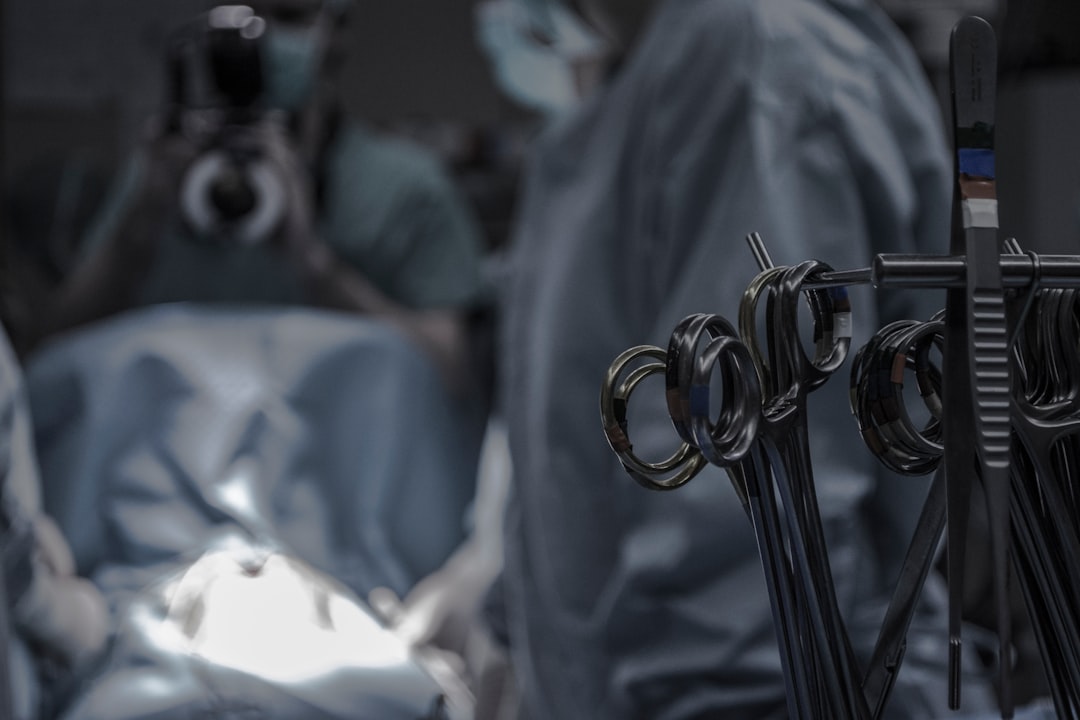
These professionals will play a crucial role in maintaining and optimizing robotic systems, ensuring that ASCs can deliver high-quality care.
Moreover, as the healthcare landscape continues to evolve, the integration of robotic surgery systems like Dexter will likely play a pivotal role in shaping the future of surgical care. The ongoing developments in this field will be essential to monitor, as they may signal a transformative shift in how surgeries are performed and the overall quality of care delivered to patients. As noted in a recent article from ASC News, the demand for robotic-assisted surgeries is expected to grow, driven by both patient preferences and the operational efficiencies that these systems provide.
The introduction of the Dexter Robotic Surgery System has implications that extend beyond individual ASCs. As robotic surgery technology becomes more prevalent in outpatient settings, it may influence broader trends within the healthcare industry. For instance, the shift towards robotic-assisted procedures could drive innovation and investment in surgical technologies, prompting other companies to develop their own solutions to compete in this growing market. Additionally, as ASCs adopt robotic systems like Dexter, there could be a significant impact on healthcare costs. The efficiency gains and improved patient outcomes associated with robotic surgery may lead to reduced overall healthcare expenditures. This is particularly relevant as healthcare systems worldwide seek to manage costs while improving patient care.
You may also like
 AI & Technology
AI Redefines Data Governance for Tech Executives
Open‑world AI shatters traditional data ownership and accountability, demanding a fresh governance matrix to protect human safety and corporate capital.
Read More →Additionally, the success of the Dexter system could pave the way for more regulatory support for robotic surgery in ASCs. As positive outcomes and efficiency gains are documented, policymakers may be encouraged to create frameworks that facilitate the adoption of advanced surgical technologies in outpatient care settings. The broader acceptance of robotic surgery in ASCs may also influence patient perceptions. As patients become more aware of the benefits associated with robotic-assisted procedures, they may seek out facilities that offer these options, driving demand for ASCs that invest in such technologies. This shift in patient preference could further accelerate the adoption of robotic systems across the healthcare landscape.
As the healthcare industry continues to evolve, the integration of robotic surgery systems like Dexter will likely play a pivotal role in shaping the future of surgical care. The ongoing developments in this field will be essential to monitor, as they may signal a transformative shift in how surgeries are performed and the overall quality of care delivered to patients.
Frequently Asked Questions
What are the benefits of using robotic systems in ambulatory surgical centers?
Robotic systems like Dexter enhance precision, improve patient outcomes, and increase operational efficiency in ambulatory surgical centers. They allow for quicker procedures and shorter recovery times, which are crucial in the fast-paced ASC environment.
Distalmotion offers tailored training programs to equip engineers with the skills necessary to maintain and optimize robotic systems effectively.
How can ASC administrators facilitate the adoption of new robotic technologies?
ASC administrators can support the adoption of robotic technologies by providing comprehensive training for surgical staff and ensuring ongoing support. This helps to alleviate concerns about complexity and encourages a smoother transition to using robotic systems.

What training is required for robotic surgery engineers to work with Dexter systems?
Robotic surgery engineers will need training focused on the specific functionalities of the Dexter system. Distalmotion offers tailored training programs to equip engineers with the skills necessary to maintain and optimize robotic systems effectively.
You may also like
 AI & Technology
Three tensions reshaping AI curatorship in art exhibitions
Most readers will assume the headline means machines now replace human taste entirely. The reality is messier: algorithms amplify certain signals,...
Read More →