No products in the cart.

OpenAI’s $400 Gadget Aims to Disrupt Market
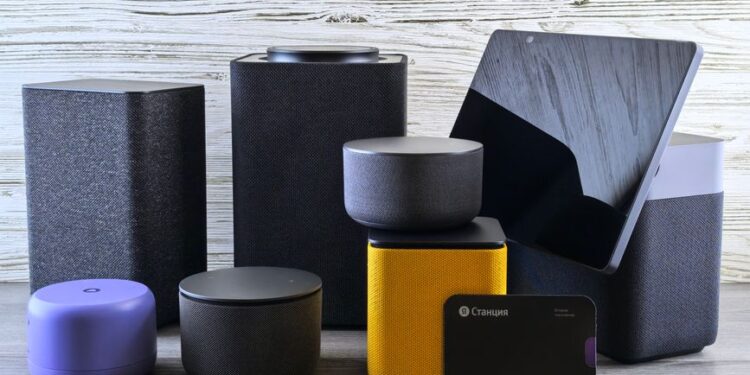
OpenAI's upcoming gadget, priced between $300 and $400, aims to disrupt the smart speaker market with innovative features and a focus on user experience, potentially reshaping the consumer electronics landscape.

OpenAI is preparing to launch a new gadget designed to disrupt the smart speaker market. This innovative device, expected to be priced between $300 and $400, aims to compete directly with established players like Amazon and Google. Scheduled for release in 2027, the gadget’s unique design and advanced features may redefine consumer expectations in the AI hardware space.
The new device is described as a doughnut-shaped product, roughly the size of a hockey puck, and is being developed in collaboration with Jony Ive’s LoveFrom design studio. It is designed to provide a more personalized interaction experience, mimicking the human-like conversations seen in OpenAI’s ChatGPT voice mode. This move indicates OpenAI’s ambition to not only enter but potentially lead the market for AI-driven consumer electronics.
Impact of OpenAI’s Pricing Strategy on the Consumer Electronics Market
OpenAI’s pricing strategy could significantly influence the consumer electronics market, particularly in the smart speaker segment. By positioning its gadget at a price point lower than a standard iPhone yet higher than most smart speakers, OpenAI is targeting a sweet spot that appeals to tech-savvy consumers looking for advanced features without breaking the bank. This competitive pricing is likely to pressure other companies to reevaluate their pricing models and feature sets.
Career Ahead’s analysis finds that this pricing strategy aligns with a broader trend where consumers increasingly expect high-quality, AI-enhanced products at reasonable prices. As more companies enter the AI hardware space, the competition will likely drive innovation and reduce costs across the board. This could lead to a faster adoption of AI technologies in everyday devices, making them more accessible to a wider audience.
If successful, OpenAI’s device could encourage other manufacturers to integrate similar technologies into their products, further blurring the lines between traditional smart speakers and AI-driven devices.
Additionally, the gadget’s anticipated features, such as advanced microphones and sensors for better interaction, may set new industry standards. If successful, OpenAI’s device could encourage other manufacturers to integrate similar technologies into their products, further blurring the lines between traditional smart speakers and AI-driven devices. According to a report by LiveMint, the collaboration with Jony Ive is expected to bring a level of design sophistication that could elevate consumer expectations across the board, pushing competitors to enhance their offerings.
You may also like
 AI & Technology
ByteDance Targets Mega AI Model to Compete with Mythos Scale
ByteDance is developing a mega AI model with 10 trillion parameters, aiming to compete with industry leaders like Anthropic and OpenAI. This initiative reflects a…
Read More →The implications of OpenAI’s entry into this market extend beyond just pricing. It may also reshape how consumers perceive and interact with AI technologies. As consumers become accustomed to more sophisticated interactions, their expectations for future devices will likely rise, pushing manufacturers to innovate continually. The potential for a more engaging user experience could lead to a paradigm shift in how smart devices are integrated into daily life, making them not just tools but companions that enhance user engagement.
Potential Features and Specifications That Could Set Industry Standards
The new gadget from OpenAI is expected to include several innovative features that could redefine user interaction with smart devices. For instance, the device will reportedly have moving parts, which could enhance its responsiveness during conversations. This feature, along with a camera system and various sensors, is designed to create a more engaging and personalized experience for users. The integration of such technology may allow for more intuitive interactions, where the device can adapt to the user’s mood or context, making conversations feel more natural.
According to reports, the device will also feature lights to indicate when it is listening, a design choice aimed at making interactions feel more personal. Such features could set a new benchmark for user interface design in AI gadgets, emphasizing the importance of user feedback in real-time interactions. Furthermore, the use of high-quality materials, such as premium metals, not only enhances the device’s aesthetics but also suggests a shift toward more luxurious offerings in the AI hardware market. As consumers become more discerning about the products they purchase, the emphasis on quality materials could become a significant selling point for tech companies.
This partnership may lead to innovative design philosophies that prioritize user engagement and emotional connection with devices, setting a new standard for future developments in the industry.
OpenAI’s collaboration with Jony Ive, a renowned figure in product design, further underscores the importance of aesthetics and functionality in modern tech products. This partnership may lead to innovative design philosophies that prioritize user engagement and emotional connection with devices, setting a new standard for future developments in the industry. The design is expected to be sleek and minimalistic, appealing to a demographic that values both form and function. As noted in the LiveMint report, the gadget’s design is not just about aesthetics; it aims to create an emotional bond between the user and the device, which could be a game-changer in the smart speaker market.

You may also like
 AI & Technology
Tech Industry Transformed by Cross-Industry Partnerships
We have already witnessed a wave of joint ventures that blur the once‑clear line between “tech” and “non‑tech”: a leading cloud provider now powers ...
Read More →As OpenAI’s device prepares for its launch, the ripple effects on the startup ecosystem will be closely watched. The potential for increased investment in AI hardware and related technologies could provide new opportunities for innovative companies willing to adapt and evolve in response to market changes. The launch of OpenAI’s new gadget has significant implications for tech startups focusing on AI hardware. As a major player enters the market, smaller companies may face increased pressure to differentiate themselves through unique features or specialized applications. This could lead to a wave of innovation as startups seek to carve out their own niches in a competitive landscape.
Career Ahead research indicates that tech startups will need to focus on developing specialized AI applications that cater to specific consumer needs. For instance, startups could explore niche markets such as health monitoring, smart home integration, or personalized learning experiences. By targeting these areas, startups can leverage the growing interest in AI while avoiding direct competition with larger players like OpenAI.
Additionally, the emphasis on user experience and design, as seen with OpenAI’s gadget, highlights the need for startups to invest in product design and user interface development. Startups that prioritize these aspects may find it easier to attract consumers who are increasingly looking for products that not only function well but also provide an enjoyable user experience.
Ultimately, the release of OpenAI’s new gadget signals a pivotal moment in the consumer electronics landscape. As the company aims to redefine expectations, competitors and startups alike will need to stay agile, ready to respond to the evolving demands of consumers.
As the company aims to redefine expectations, competitors and startups alike will need to stay agile, ready to respond to the evolving demands of consumers.
Frequently Asked Questions
What features should product managers consider for AI gadgets?
Product managers need to prioritize user experience, personalization, and responsiveness in AI gadgets. Features like advanced sensors, real-time feedback mechanisms, and high-quality materials can enhance user satisfaction and set products apart in a competitive market.
How will OpenAI’s pricing affect hardware development strategies?
OpenAI’s competitive pricing strategy may force other companies to rethink their pricing models and feature offerings. This could lead to increased innovation and more affordable AI hardware solutions as companies strive to match or exceed OpenAI’s value proposition.

What should tech startup founders do to compete with OpenAI’s new gadget?
You may also like
 AI & Technology
Sequoia Capital's $10 Billion Plan for the AI Economy
Sequoia Capital's $10 billion investment plan aims to reshape the AI economy by supporting startups and creating jobs across various sectors, reflecting a growing confidence…
Read More →Tech startup founders should focus on niche markets and specialized applications to differentiate their products from OpenAI’s offering. By targeting specific consumer needs and investing in user experience design, startups can carve out a unique space in the AI hardware market.