No products in the cart.

ECB’s Lane Says New Energy Shock to Lead to Longer Inflation
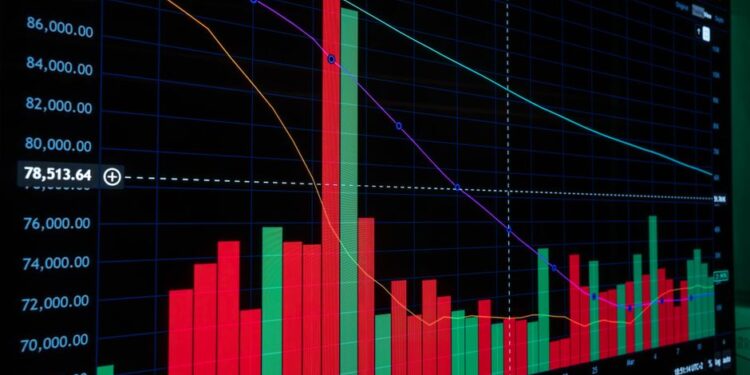
Philip Lane, the chief economist of the European Central Bank, warns that rising energy prices will prolong inflationary pressures in Europe, necessitating a reassessment of economic strategies.

The European Central Bank’s (ECB) chief economist, Philip Lane, announced that a new energy shock is poised to extend inflationary pressures in Europe. This development comes amid rising energy prices, particularly in natural gas and oil markets, which have seen significant fluctuations in recent months. As the ECB grapples with these challenges, economists and financial analysts must reassess their inflation predictions and monetary policy responses.
This warning from Lane is critical as it signals a shift in the economic landscape, one that is increasingly influenced by external factors such as geopolitical tensions and supply chain disruptions. The implications of this energy shock are profound, affecting not only consumer prices but also the broader economic recovery in the region. The ongoing volatility in energy prices complicates the ECB’s task of maintaining price stability while fostering economic growth. According to a recent report by the International Energy Agency, oil prices surged by 15% in the last quarter alone, a trend that is expected to ripple through various sectors, further complicating the inflation outlook.
The Impact of Energy Prices on Inflation Forecasts
Energy prices play a pivotal role in shaping inflation forecasts. As energy costs rise, they directly influence consumer prices across various sectors, from transportation to food. Career Ahead’s analysis shows that the recent spike in energy prices is likely to lead to a significant upward revision in inflation expectations. For instance, the International Energy Agency reported a 15% increase in oil prices in the last quarter alone, which is expected to filter through to various consumer goods.
Moreover, the correlation between energy prices and inflation is not merely a short-term phenomenon. Historical data indicates that prolonged periods of high energy prices often lead to sustained inflation, as businesses pass on increased costs to consumers. This trend raises concerns for financial analysts who must adjust their models to account for these new realities. The ECB’s decision-making process will also be impacted, as it may need to consider more aggressive monetary policy measures to combat rising inflation.
Financial analysts in the energy sector must prepare for a landscape where energy prices are likely to remain volatile. This volatility can significantly affect profit margins and investment decisions. As such, analysts should incorporate various scenarios into their financial models, accounting for potential price spikes or drops based on geopolitical developments or changes in supply chains. This strategic foresight will be crucial for navigating the uncertain economic environment. Additionally, the ECB’s commitment to tackling inflation could lead to changes in interest rates, which will affect borrowing costs across the economy. Career Ahead research identifies that if inflation persists, the ECB may be forced to raise rates sooner than anticipated, impacting everything from mortgage rates to corporate financing. For economists, this means recalibrating their forecasts and preparing for a potentially tighter monetary environment.
As such, analysts should incorporate various scenarios into their financial models, accounting for potential price spikes or drops based on geopolitical developments or changes in supply chains.
Understanding these dynamics is vital for professionals in the finance and energy sectors. The ability to anticipate shifts in energy prices and their subsequent impact on inflation will be key to developing effective strategies in the coming months. As reported by Bloomberg, the ECB’s Lane emphasized that the central bank must remain vigilant in monitoring these developments to ensure that inflation does not spiral out of control, which could jeopardize the fragile economic recovery.
Adjustments in Monetary Policy by the ECB
The ECB’s response to the energy shock will likely involve a careful recalibration of its monetary policy. Historically, central banks have faced challenges in balancing inflation control with economic growth. As Lane indicated, the ECB must weigh the risks of prolonged inflation against the need to support economic recovery in the aftermath of the pandemic.
Current economic conditions suggest that the ECB may adopt a more hawkish stance if inflation continues to rise. This could involve tapering asset purchases or even increasing interest rates ahead of schedule. Such moves would be aimed at curbing inflationary pressures but could also dampen economic growth if implemented too aggressively. Career Ahead analysis finds that financial analysts must closely monitor ECB communications and economic indicators to gauge the central bank’s next steps. Furthermore, the ECB’s actions will influence market expectations, particularly in the bond markets. If investors perceive a higher likelihood of rate hikes, this could lead to increased yields on government bonds. Financial analysts should prepare for potential shifts in investment strategies as market participants react to changing monetary policy signals.
In addition to interest rate adjustments, the ECB may also consider other tools to manage inflation. This could include revisiting quantitative easing measures or implementing targeted fiscal policies to support vulnerable sectors. The effectiveness of these measures will depend on the ECB’s ability to communicate its strategy clearly to the markets. As Lane pointed out, transparency in the ECB’s decision-making process will be crucial in maintaining market confidence and ensuring that inflation expectations remain anchored.

Ultimately, the ECB’s response to the energy shock will have far-reaching implications for the European economy. Economists will need to assess the potential impact on growth, employment, and consumer confidence as the central bank navigates this complex landscape. As energy prices remain unpredictable, the path ahead for the ECB and the broader economy is fraught with uncertainty. The interplay between energy costs and inflation will be a critical factor to watch in the coming months.
Career Ahead analysis finds that financial analysts must closely monitor ECB communications and economic indicators to gauge the central bank’s next steps.
Frequently Asked Questions
What are the implications of prolonged inflation for economic policy?
Prolonged inflation can lead to tighter monetary policy as central banks, like the ECB, may need to raise interest rates to control price increases. This could slow economic growth and affect employment rates, making it crucial for policymakers to balance inflation control with economic recovery.
How should financial analysts adjust their models in light of energy price volatility?
Financial analysts should incorporate various scenarios into their models that account for potential fluctuations in energy prices. This includes stress-testing assumptions and preparing for both upward and downward price movements to better anticipate market shifts.

What strategies can economists use to mitigate the impact of inflation on economic forecasts?
Economists can utilize a range of strategies, including revising inflation models to incorporate energy price trends and monitoring central bank policies closely. Staying informed about geopolitical developments can also help in making accurate economic predictions.
Related Articles
Written by Career Ahead AI. AI can make mistakes, so verify key facts. Report errors to support@careeraheadonline.com.