No products in the cart.

Economic Growth Slows to 6.8% Amid Global Turmoil
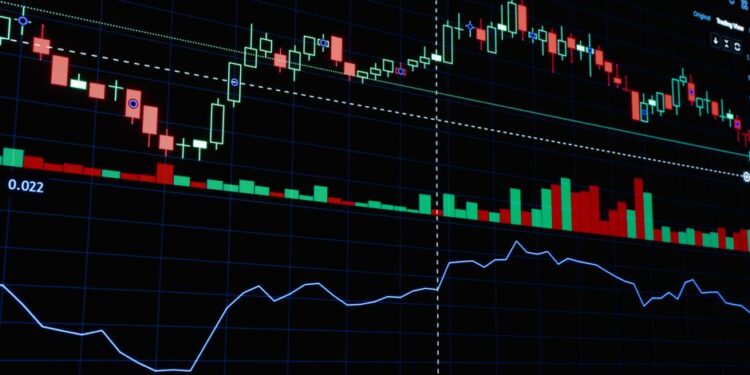
The Reserve Bank of India (RBI) recently raised its growth forecast from 6.6% to 6.7%. This change reflects a strong domestic economy. However, India Ratings predicts a slowdown from 7.6% in FY26 to 6.8% in FY27. This shift may lead to higher inflation and instability in consumer spending,…

India’s economic growth is expected to slow to 6.8% in FY27, according to India Ratings and Research. This decline is due to geopolitical tensions in West Asia and the expected impact of El Niño on agriculture. These challenges have important implications for investors and economists.
The Reserve Bank of India (RBI) recently raised its growth forecast from 6.6% to 6.7%. This change reflects a strong domestic economy. However, India Ratings predicts a slowdown from 7.6% in FY26 to 6.8% in FY27. This shift may lead to higher inflation and instability in consumer spending, especially with rising fuel costs and currency depreciation.
Impact of Geopolitical Tensions on Market Stability
Geopolitical tensions in West Asia are a major factor in the projected slowdown. The conflict has created uncertainty in global oil markets, pushing crude oil prices to an average of $85 per barrel for FY27, down from $95. This change in oil prices will directly impact inflation rates in India, which are expected to average around 4.9%, compared to just 2% in FY26. The conflict may also disrupt supply chains and create volatility in energy markets, which are vital for India’s economy.
As fuel costs rise, consumer spending is affected. Higher inflation often limits disposable income, reducing consumer confidence and spending. This is especially critical for sectors like retail and services that rely heavily on consumer spending. Economists are watching these trends closely, as lower consumer demand can worsen the economic slowdown. A report by the Economic Times notes that the ongoing crisis has already lowered consumer sentiment, hindering economic recovery efforts.
Investors need to consider these factors when assessing market stability and growth opportunities.
Additionally, the Indian rupee is expected to depreciate against the dollar, averaging ₹93.98 in FY27. A weaker currency increases import costs, fueling inflation and possibly leading to reduced economic activity. Investors need to consider these factors when assessing market stability and growth opportunities. The RBI’s efforts to stabilize the currency may not be enough if geopolitical tensions continue, as analysts from Fitch Group have pointed out.
You may also like
 News
NewsBloomberg This Weekend 10/4/2026
The launch comes at a time when media consumption patterns are rapidly changing. Viewers increasingly prefer on-demand content and real-time updates, prompting networks like Bloomberg…
Read More →Career Ahead’s analysis shows that the geopolitical landscape affects not only oil prices but also investor sentiment. As tensions rise, foreign investment may drop, tightening the capital market. This situation poses risks for businesses that depend on foreign capital, requiring a reassessment of investment strategies. The potential for capital flight could further strain the economy, making it crucial for policymakers to address these challenges proactively.
El Niño’s Potential Impact on Agriculture and Consumer Spending
El Niño could significantly affect India’s GDP growth. Past El Niño events have caused erratic weather patterns, impacting crop yields and agricultural productivity. The Indian agricultural sector, which employs many people, is particularly vulnerable to these changes. The World Bank warns that adverse weather could decrease agricultural output, threatening food security and rural livelihoods.
India Ratings suggests that agricultural output may decline, leading to food inflation and straining household budgets. Rising food prices can hit lower-income households hardest, increasing poverty and reducing economic mobility. As food prices rise, consumers may change their spending habits, focusing on essentials over luxury items. This shift could lead to a contraction in sectors catering to non-essential goods, complicating the economic landscape.
The implications for businesses are significant.
The implications for businesses are significant. Companies relying on agricultural products may face higher costs and supply chain issues, forcing them to adjust pricing strategies. This could lead to decreased sales and profits in the short term, impacting overall economic growth. Investors should be aware of these dynamics when evaluating sectors that may grow or decline. The agricultural sector’s performance will be crucial in shaping the economic trajectory, especially with expected inflationary pressures.

You may also like
 News
NewsJobs Slow but Inflation Keeps Fed on Alert
In September, the economy added just 150,000 jobs, a stark contrast to the 200,000 jobs analysts had predicted. This slowdown comes amid ongoing inflationary pressures,…
Read More →Given these challenges, economists should develop strong strategies to analyze El Niño’s impact on the economy. This includes using predictive models that consider weather patterns and their potential effects on agriculture and consumer behavior. As the situation evolves, monitoring agricultural reports and weather forecasts will be vital for understanding broader economic implications. Investors should factor in these elements when making portfolio decisions in the agricultural sector, as volatility remains high.
The projected slowdown to 6.8% growth in FY27 raises important questions about consumer spending patterns. With inflation expected to rise and disposable incomes squeezed, consumers may prioritize essential goods over luxury items. This shift can lead to significant changes in market dynamics, especially for companies in retail and consumer goods. Career Ahead research indicates that businesses must adapt to these changing preferences. Companies that quickly pivot to meet the demand for essentials may find growth opportunities, while those focused on luxury markets may struggle. Understanding consumer behavior during downturns will be crucial for maintaining market share.
Moreover, the economic slowdown could increase competition among companies for a smaller pool of consumer spending. Businesses must innovate to enhance value for consumers through pricing strategies, product offerings, or marketing approaches. As the economic landscape shifts, investors should prepare for volatility in consumer-focused stocks. Those who understand market trends and consumer behavior will be better positioned to navigate upcoming challenges.
The relationship between inflation, consumer spending, and economic growth will be critical to monitor in the coming months. Investors and economists must remain vigilant as they assess the potential for recovery or further decline. As FY27 unfolds, the connections between geopolitical events, climate changes, and economic performance will continue to shape India’s growth path. Investors need to stay informed and agile to adapt to these evolving circumstances.
The relationship between inflation, consumer spending, and economic growth will be critical to monitor in the coming months.
Frequently Asked Questions
What are the implications of a 6.8% growth rate for economists?
The slowdown to a 6.8% growth rate raises concerns about inflation and consumer spending. Economists must consider these factors when making forecasts and advising policymakers.
How should investors adjust their portfolios in light of India’s economic forecast?
Investors should focus on sectors likely to remain strong amid rising inflation and changing consumer preferences. This may include essential goods and services that are still in demand.

What strategies can economists use to analyze the impact of El Niño on India’s economy?
You may also like
 News
NewsUAE may halt UK investments after Manchester City guilty verdict
The UAE's potential withdrawal of investments in the UK, following Manchester City's guilty verdict for financial breaches, could significantly impact the sports and real estate…
Read More →Economists can use predictive models that account for weather patterns and their potential effects on agriculture and consumer behavior. This approach will help gauge the broader economic implications of El Niño.