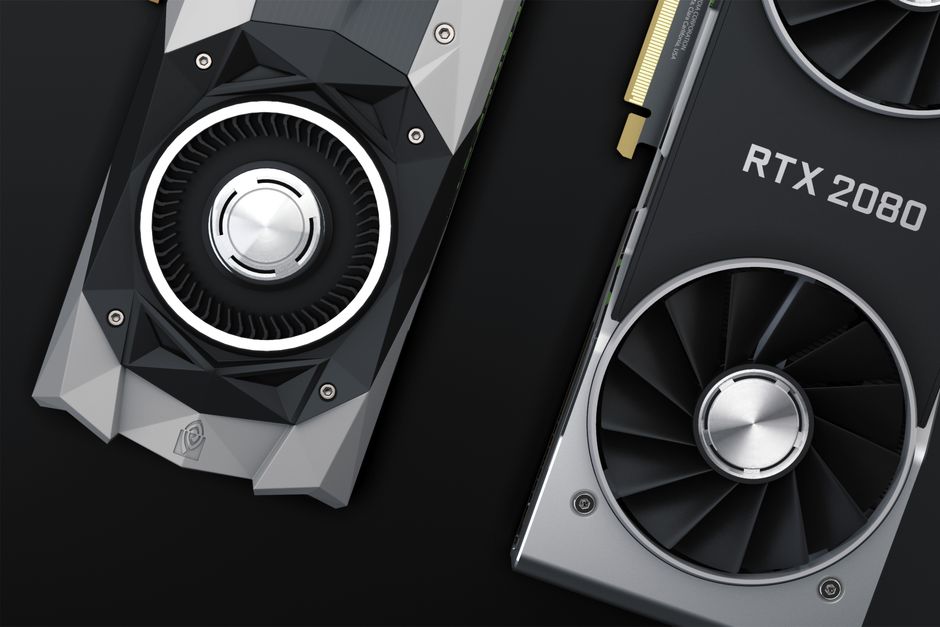
India and Malaysia — AM Intelligence has ordered 20,000 NVIDIA Rubin GPUs to improve AI infrastructure in both countries. This investment follows an earlier commitment for 9,000 GPUs, totaling about 29,000 Rubin GPUs for deployment. The first delivery is set for the second quarter of 2027.
This expansion is part of a larger plan to boost computational capabilities. It aims to enable advanced AI research and development. The infrastructure will meet high standards, integrating the NVIDIA Vera Rubin platform with advanced networking and storage systems. This move marks a significant change in how AI resources are allocated in emerging markets.
Boosting AI Capabilities and Job Opportunities
The addition of 20,000 NVIDIA Rubin GPUs will greatly increase high-performance computing resources for data scientists and AI engineers in India and Malaysia. Career Ahead analysis shows that this influx will enhance research in machine learning and create new job opportunities in the tech sector. A report by The Hindu Business Line states that deploying these GPUs will help develop AI-driven applications, which are in high demand across various industries.
As AI projects require more computing power, companies will look for skilled professionals who can use these advanced resources. This trend matches the growing need for AI talent, especially in data science and machine learning roles. AM Intelligence’s investment is expected to spark a hiring surge for positions needing expertise in GPU programming and AI model development. Additionally, the Times of India notes that this move will support local talent and attract international professionals to a rapidly evolving tech landscape.
Furthermore, deploying these GPUs will likely lead to more AI research centers and innovation hubs in both countries. This infrastructure will attract global tech companies eager to access the growing talent pool and advanced computing resources in the region. In India, the government actively promotes AI initiatives through various policies and funding programs. The arrival of these GPUs could strengthen the country’s position as a leader in AI development, drawing both domestic and international investments. Similarly, Malaysia aims to be a regional AI hub, and this investment will support its goal to become a key player in the global AI market.
OpenAI is negotiating a $30 billion funding round with BlackRock and UAE funds, which could reshape the AI startup ecosystem and attract significant investments in…
As AI projects require more computing power, companies will look for skilled professionals who can use these advanced resources.
Overall, this significant investment in GPU infrastructure will enhance the tech landscape and stimulate economic growth. It will create jobs and foster innovation in AI-driven sectors. The impact of this investment will likely be felt across various industries, from healthcare to finance, as organizations adopt AI technologies to improve efficiency and drive innovation.
Addressing the Skills Gap in AI
While expanding GPU resources offers many opportunities, it also highlights a key challenge: the skills gap in the AI workforce. Career Ahead research shows that as companies boost their AI capabilities, they will need more professionals with specialized skills in advanced GPU technologies. The gap between rapid AI advancements and the current skill set could slow the sector’s growth.
Data scientists and AI engineers in India and Malaysia must adapt by improving their technical skills. Skills in GPU programming, parallel processing, and experience with AI frameworks optimized for GPUs will be essential. Educational institutions and training programs must evolve to meet these needs, ensuring the workforce is ready for the future. The Hindu Business Line notes that collaboration between industry and educational institutions can help bridge this gap, providing students with hands-on experience and exposure to the latest technologies.
As demand for AI talent rises, professionals who invest in education and skill development will be well-positioned to take advantage of the opportunities from this GPU expansion. This proactive approach will boost their employability and keep them competitive in a fast-paced job market. Additionally, AI research centers will offer platforms for continuous learning and innovation, further enhancing workforce skills.
Overall, AM Intelligence’s investment in NVIDIA Rubin GPUs marks a pivotal moment for AI development in India and Malaysia. It has significant implications for job growth and skills training in the sector. Looking ahead, successfully implementing this GPU infrastructure will likely reshape the AI landscape in both countries, positioning them as leaders in the global AI market. As more companies adopt AI technologies, the focus will shift to ensuring the workforce has the skills needed to thrive in this new environment.
Schneider Electric's $23 billion acquisition of PTC marks a pivotal moment in the AI landscape, creating new job opportunities and driving innovation across various sectors.
Educational institutions and training programs must evolve to meet these needs, ensuring the workforce is ready for the future.
Frequently Asked Questions
What new skills should data scientists in India develop with the arrival of NVIDIA GPUs?
Data scientists in India should focus on GPU programming, parallel processing, and AI frameworks that use GPU capabilities. This will improve their ability to work on complex AI projects and enhance their job prospects.
How will the GPU order affect job opportunities for AI engineers in Malaysia?
The GPU order is expected to create many job opportunities for AI engineers in Malaysia. Companies will seek professionals with expertise in GPU technologies and machine learning to drive AI innovations.
What should AI engineers do to prepare for the increased demand for GPU-based projects?
AI engineers should invest in training programs focused on GPU computing and machine learning frameworks. Gaining hands-on experience with these technologies will be crucial for staying competitive in the evolving AI landscape.



AI & Technology
 AI & Technology