No products in the cart.

El Niño Could Drive Food Prices Higher
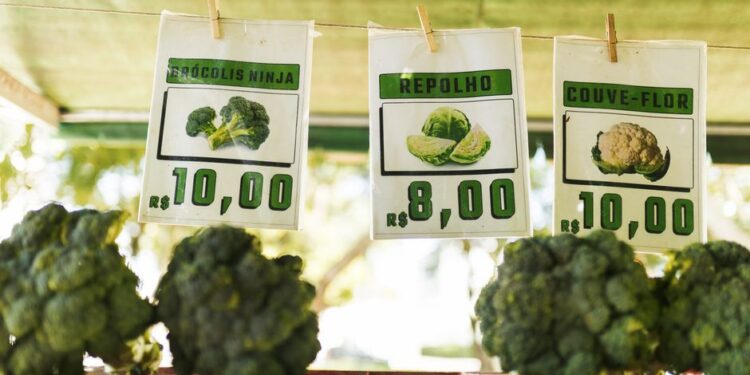
El Niño's arrival is anticipated to significantly increase food prices across Southern Africa, raising concerns about food security. This analysis highlights the implications for agricultural economists and supply chain managers in the region.

El Niño is expected to greatly affect food prices in Southern Africa, impacting crop yields and supply chains. Agricultural economists warn that the region may see higher prices for staple foods, exacerbating existing food security issues. The effects of these price changes are significant for consumers, policymakers, and supply chain managers.
This climate phenomenon typically causes unpredictable weather patterns, leading to droughts or excessive rainfall, both of which can disrupt agricultural production and lower crop yields. Historical data indicates that past El Niño events have resulted in rising food prices, suggesting that similar trends may emerge in the coming months.
Impact on Crop Yields and Pricing Strategies
Crop yields in Southern Africa are likely to decline due to El Niño’s climatic changes. Maize, a staple food in many Southern African countries, is particularly vulnerable to drought. According to World Prices, maize prices have already begun to rise as farmers anticipate lower yields, a trend expected to continue and increase pressure on food prices overall.
Food supply chain managers must adapt their pricing strategies swiftly. Effective pricing will be vital for profitability and food access. Stakeholders may need to implement dynamic pricing models that reflect real-time supply conditions to mitigate the impact of sudden price spikes on consumers.
Higher food prices can also lead to increased transportation costs. Fuel prices are rising, as reported by Global Petrol Prices, which indicates a recent surge in gasoline prices in Southern Africa. This adds to the challenges for food supply chains, as higher fuel costs translate to increased logistics expenses. Supply chain managers must optimize their operations to manage these rising costs.
Supply chain managers must optimize their operations to manage these rising costs.
Given these challenges, agricultural economists should develop predictive models that account for El Niño’s volatility. By analyzing historical data and current trends, they can better forecast food prices, aiding policymakers in making informed decisions. A proactive approach is essential for managing food supply during the El Niño event.
Adjustments in Supply Chain Logistics
The anticipated rise in food prices will necessitate significant adjustments in supply chain logistics. As prices fluctuate, supply chain managers must respond quickly to shifts in demand and supply. Improving inventory management is crucial to prevent shortages and maintain food accessibility.
Diversifying sourcing options is an effective strategy. By establishing relationships with multiple suppliers, food supply chain managers can mitigate risks associated with price volatility. This flexibility allows them to switch suppliers based on price changes. Investing in technology to track real-time price fluctuations can also provide valuable insights for decision-making.
Collaboration among supply chain stakeholders is vital. Food supply chain managers should work with agricultural producers, transporters, and retailers to share information and coordinate efforts. This teamwork can lead to more efficient logistics, lowering costs and improving service during periods of price instability.
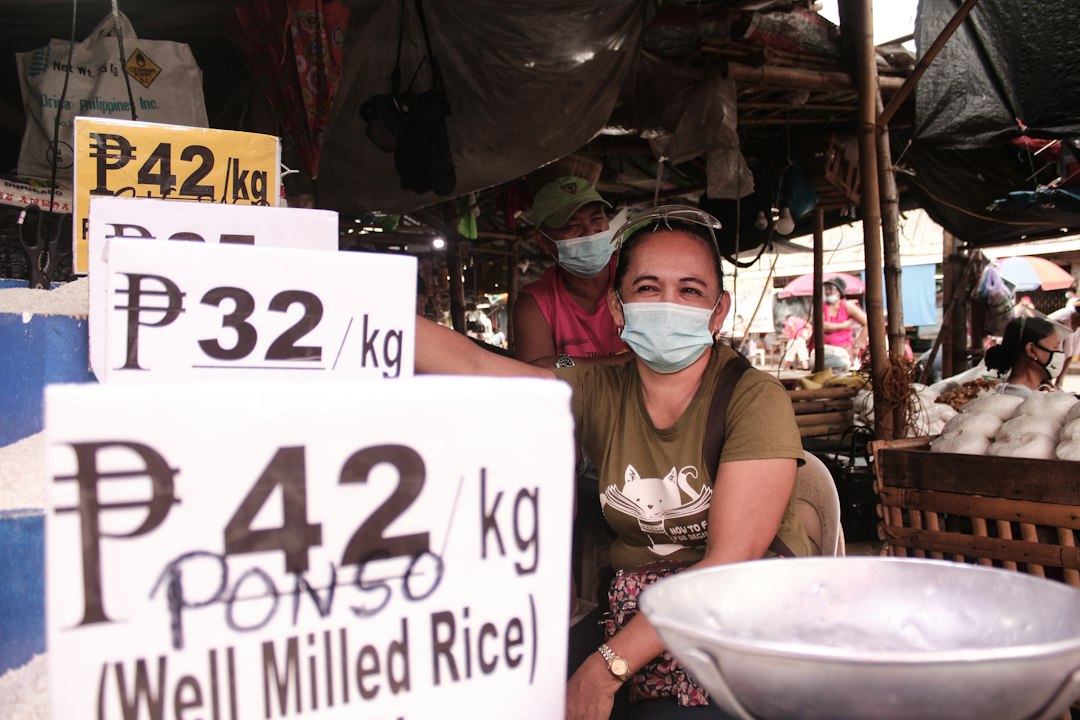
Policymakers play a crucial role in addressing rising food prices.
Policymakers play a crucial role in addressing rising food prices. By implementing policies that support agricultural resilience and sustainability, they can stabilize food supply chains. This may include incentives for farmers to adopt climate-smart practices or funding research into drought-resistant crops.
Policy Recommendations for Mitigating Food Price Increases
As rising food prices become a pressing concern, policymakers must take action to assist vulnerable populations. Targeted subsidies for staple foods could alleviate financial pressure on consumers, particularly benefiting low-income households affected by food price hikes.
Enhancing social safety nets is also essential. Governments should expand food assistance programs to ensure access to nutritious food for those in need, addressing immediate needs while supporting long-term food security and economic stability.
Investing in agricultural research and development is another critical recommendation. By supporting initiatives that improve crop resilience and sustainable farming practices, governments can help farmers adapt to climate changes, leading to more stable food production and reducing reliance on imports.
Finally, fostering regional cooperation among Southern African nations can strengthen efforts to tackle food security challenges. By sharing resources, knowledge, and best practices, countries can build a more resilient food system capable of withstanding climate change and economic fluctuations.
The implications of El Niño for food prices in Southern Africa are serious, and urgent action is required. Agricultural economists, food supply chain managers, and policymakers must collaborate to address this climate phenomenon. With proactive strategies and teamwork, it is possible to mitigate the impact on food prices and enhance food security in the region.
With proactive strategies and teamwork, it is possible to mitigate the impact on food prices and enhance food security in the region.
Frequently Asked Questions
What strategies can agricultural economists use to predict food price changes?
Agricultural economists can analyze historical data and current trends to create predictive models for food prices. By incorporating climate factors like El Niño, they can provide accurate forecasts to help stakeholders prepare for price changes.
How should food supply chain managers prepare for potential price increases?
Food supply chain managers should diversify sourcing options and improve inventory management. Utilizing technology to track real-time price changes can also help them respond effectively to market shifts.

What policies can be implemented to mitigate the impact of El Niño on food prices?
Policymakers can introduce targeted subsidies for staple foods and enhance social safety nets to support vulnerable populations. Investing in agricultural research and fostering regional cooperation can also strengthen food security efforts.
Written by Career Ahead AI. AI can make mistakes, so verify key facts. Report errors to support@careeraheadonline.com.