No products in the cart.

Australia Senate Requests OpenAI, Anthropic CEOs Face AI Inquiry

The inquiry comes at a crucial time when AI technologies are increasingly integrated into daily life, raising questions about their safety and ethical use.

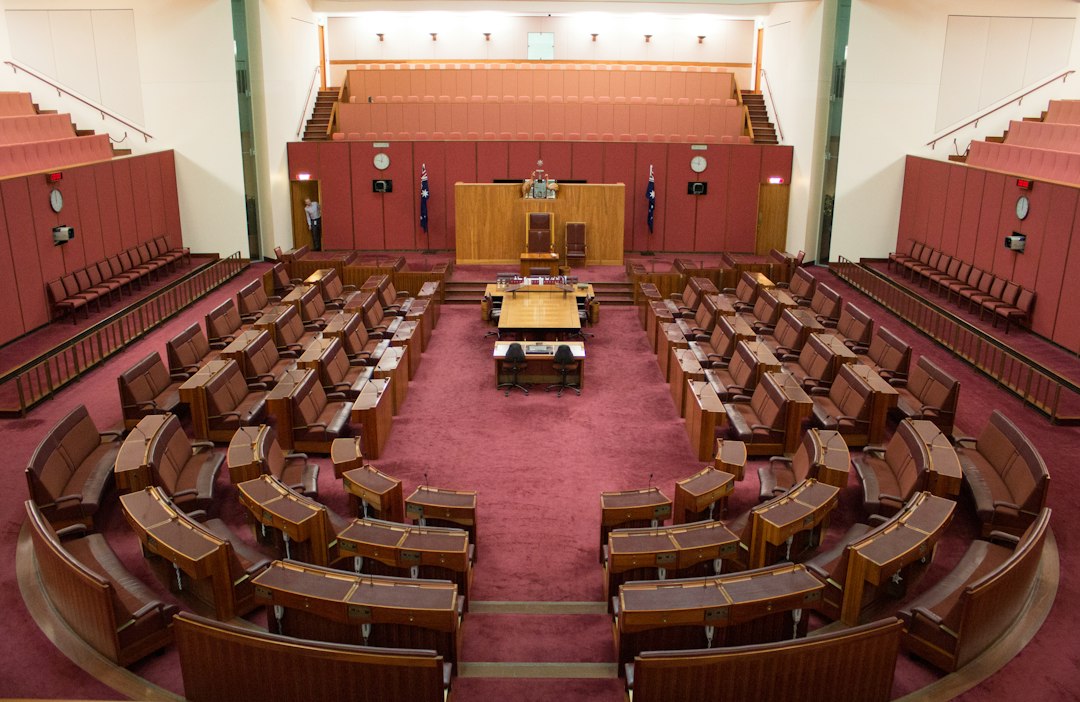
Australia’s Senate has summoned the chief executives of OpenAI and Anthropic. They will face an inquiry into the implications of their technologies. This inquiry, announced on September 27, 2026, aims to address concerns about the ethical and societal impacts of artificial intelligence. Lawmakers want to create a framework that ensures accountability in the fast-changing AI landscape.
The inquiry is timely. AI technologies are becoming part of daily life, raising safety and ethical questions. The Australian Senate is focused on how to regulate these powerful tools. They want to prevent misuse and ensure these technologies serve the public good. This scrutiny reflects a growing global trend toward regulatory oversight in the tech industry. According to a report by Al Jazeera, the inquiry is part of a broader effort to understand AI’s societal implications. It also aims to hold companies like OpenAI and Anthropic accountable for their innovations.
Regulatory Scrutiny and Its Impact on AI Innovation
The Australian Senate’s inquiry is a significant moment for AI companies like OpenAI and Anthropic. Lawmakers are not just seeking answers; they are also setting a precedent for future AI regulation. This scrutiny could lead to stricter compliance requirements for AI firms, affecting their operational strategies.
Career Ahead’s analysis shows that increased regulatory scrutiny often creates innovation challenges. Companies may need to shift resources from research and development to compliance, slowing innovation. For example, firms might have to invest in legal teams and compliance departments, reducing funds for new technologies. Additionally, as highlighted by Tech Insider, the inquiry could push companies to adopt stricter internal controls and governance structures, further straining their resources.
Companies may need to shift resources from research and development to compliance, slowing innovation.
The inquiry could also affect funding for AI startups. Investors often seek clarity and stability in regulatory environments before committing capital. If the inquiry results in strict regulations, it may deter investment in AI startups, especially those focused on cutting-edge technologies. However, startups that can navigate these regulations well may gain a competitive edge. A more regulated environment could lead to a consolidation of resources, where only the most compliant and prepared startups succeed.
As the inquiry unfolds, AI researchers and developers must stay informed about potential changes in compliance requirements. Understanding the regulatory landscape will be crucial for those aiming to innovate in the AI sector. The outcome of this inquiry could redefine industry standards and practices, making it essential for stakeholders to adapt quickly. The implications of this inquiry are not limited to Australia; they may resonate globally, influencing how AI companies operate in various jurisdictions.
Potential Changes in Compliance Requirements for AI Companies
The inquiry into OpenAI and Anthropic could lead to significant changes in compliance requirements for AI companies. As governments worldwide grapple with AI implications, Australia’s approach may serve as a model for other nations. This could create a patchwork of regulations that AI companies must navigate.
Professionals skilled in navigating regulatory environments will be in high demand, creating a competitive job market for compliance experts in AI.
For example, the inquiry may prompt new guidelines on data privacy, algorithmic transparency, and user consent. These guidelines would require companies to implement robust systems for compliance, which could be resource-intensive. The need for transparency in AI systems may also push companies to develop more explainable AI, a trend that has gained traction in recent years. As noted by Shattered, the inquiry could lead to a demand for AI systems that perform effectively and provide clear explanations of their decision-making processes.
Career Ahead’s research indicates that compliance measures can significantly impact how AI technologies are developed and deployed. Companies may need to rethink their development processes to include compliance checks at every stage. This shift could slow product launches and increase costs, affecting the competitive landscape. Furthermore, as compliance requirements evolve, companies may face challenges in recruiting and retaining talent. Professionals skilled in navigating regulatory environments will be in high demand, creating a competitive job market for compliance experts in AI. This demand could lead to higher salaries and increased job opportunities in this niche field.

Moreover, the inquiry may encourage partnerships between startups and established companies that have the resources to navigate regulatory challenges. These collaborations could help startups scale their operations while ensuring compliance. Career Ahead’s analysis shows that such partnerships can lead to accelerated growth and innovation in the AI sector. Ultimately, the inquiry could reshape the dynamics of the AI industry, fostering a collaborative environment where compliance and innovation coexist.
In summary, the Australian Senate’s inquiry into OpenAI and Anthropic is a pivotal moment for the AI industry. As the inquiry progresses, stakeholders must remain vigilant and adaptable to the changing regulatory landscape. The outcomes could reshape the future of AI, influencing compliance requirements and funding opportunities.
The implications of this inquiry extend beyond Australia. As other countries observe these developments, similar inquiries may arise globally, increasing regulatory scrutiny in the AI sector. How AI companies respond to these challenges will determine their future success and the broader trajectory of the industry.
Staying informed about regulatory developments will be crucial for ensuring their work aligns with new standards.
Frequently Asked Questions
What are the potential outcomes of the AI inquiry for researchers?
The AI inquiry could lead to new compliance requirements that researchers must follow, impacting their work and funding opportunities. Researchers may need to adjust their methodologies to align with these regulations.
How might this inquiry affect tech policy analysts’ work?
Tech policy analysts will need to monitor the inquiry’s outcomes closely, as they may set precedents for future regulations. Analysts will likely have to adapt their frameworks to account for new compliance measures in the AI sector.
What should AI researchers consider in light of increased regulatory scrutiny?
AI researchers should prepare for potential changes in compliance requirements that could affect their projects. Staying informed about regulatory developments will be crucial for ensuring their work aligns with new standards.
Written by Career Ahead AI. AI can make mistakes, so verify key facts. Report errors to support@careeraheadonline.com.