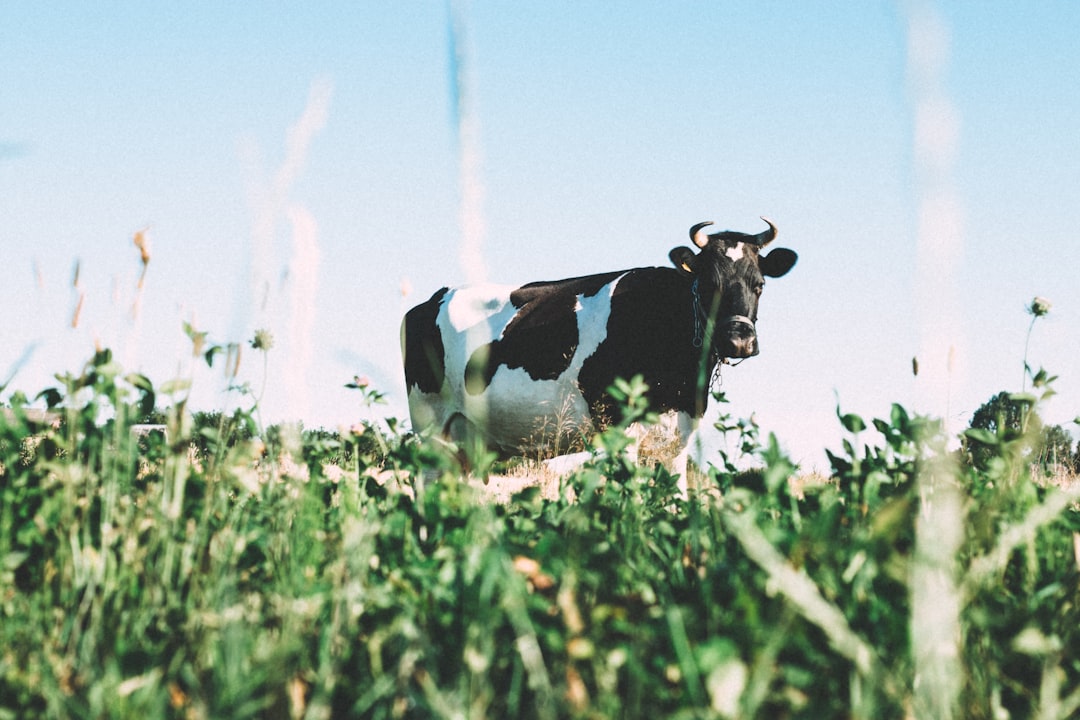
The impact of El Nino on fodder availability is a significant concern. Dairy farmers rely heavily on consistent rainfall to maintain sufficient fodder supplies for their cattle.
India’s dairy industry is bracing for a potential rise in milk prices as the El Nino phenomenon threatens fodder availability. Reports indicate that major dairies, including Amul and Mother Dairy, have already increased prices by 2-3% in May 2026. The situation may worsen if the monsoon fails to deliver adequate rainfall, leading to further price hikes by July or August. According to the Economic Times, the chairman of Parag Milk Foods has warned that if rainfall remains below normal in key milk-producing regions, consumers could see an increase of up to 4% by mid-summer.
The impact of El Nino on fodder availability is a significant concern. Dairy farmers rely heavily on consistent rainfall to maintain sufficient fodder supplies for their cattle. Poor rainfall typically forces farmers to reduce their cattle numbers, which directly lowers milk output. As a result, milk prices are expected to rise by an additional 3-4% if rainfall remains below normal in key milk-producing regions. The Maharashtra government has already issued advisories urging farmers to enhance fodder production to mitigate the anticipated shortages. Kiran Patil, the commissioner of animal husbandry in Maharashtra, emphasized the importance of proactive measures, stating that farmers should remain alert and plan for fodder crops.
Effects of El Nino on Dairy Production
El Nino’s impact on the climate can lead to severe droughts in various parts of India, particularly in states that are crucial for milk production. The Business Standard reports that the potential for drought conditions could severely affect the dairy supply chain, as farmers may struggle to provide adequate nutrition for their livestock. Major dairy companies are also taking steps to address the potential crisis. Mother Dairy has announced that it is closely monitoring conditions across its procurement regions and is preparing mitigation measures. This includes working with farmers to ensure that they can manage their fodder resources effectively. Such measures are vital to maintaining milk production levels and stabilizing prices.
Amul, a leader in the dairy sector, has indicated that it will assess the situation based on the monsoon’s progress. While there is no immediate concern regarding milk availability, the company acknowledges that the effects of El Nino could become significant if rainfall continues to be deficient. Jayen Mehta, managing director of the Gujarat Cooperative Milk Marketing Federation, mentioned that any adverse impact from insufficient rainfall is usually localized and does not affect the entire country. However, the interconnectedness of climate events and market dynamics means that localized droughts can still have a ripple effect on prices and availability across the nation.
As the climate continues to change, the dairy industry must adapt to these environmental challenges. Career Ahead analysis finds that the correlation between climate events and dairy production is becoming increasingly apparent. The industry’s ability to respond effectively to these challenges will be critical in determining future price stability and production levels. Moreover, the ongoing climate crisis necessitates a reevaluation of agricultural practices to ensure sustainability and resilience in the face of unpredictable weather patterns.
Neelkanth Mishra, World Bank Group Executive Director, discusses the challenges posed by rising fuel costs and tightening financial conditions on global economies, particularly India.
The industry’s ability to respond effectively to these challenges will be critical in determining future price stability and production levels.
In response to the current situation, major dairies like Amul and Mother Dairy have already adjusted their pricing strategies. For instance, Parag Milk Foods has expressed concerns about the potential for further price hikes, stating that if the rainfall remains inadequate, consumers could see an increase of up to 4% by mid-summer. This is a significant concern for both dairy farmers and consumers, as rising prices can lead to decreased demand for milk products. The dairy industry is also facing pressures from other factors, such as heatwaves that have affected supply chains. Tamil Nadu’s Aavin has reported cutting supplies due to these extreme weather conditions, further complicating the market landscape. This situation highlights the interconnectedness of climate events and market dynamics in the dairy sector.
To navigate these challenges, dairy executives must implement strategies that address rising costs while maintaining consumer trust. This may involve diversifying supply chains, investing in sustainable farming practices, and enhancing communication with consumers about the reasons behind price increases. Such proactive measures can help stabilize the market and ensure that dairy farmers remain viable in the face of environmental challenges. The government is also playing a role in addressing the situation. Advisories on fodder production are crucial for ensuring that farmers can maintain adequate supplies for their cattle. By providing support and guidance, the government can help mitigate the impact of climate events on the dairy industry, ultimately benefiting both farmers and consumers.
Implications for Dairy Farmers and Executives
The implications of rising milk prices due to El Nino are significant for dairy farmers and industry executives. For farmers, the need to manage fodder supplies effectively is paramount. Those who can adapt quickly to changing conditions may find opportunities to enhance their profitability, while those who cannot may struggle to survive in a challenging market. The BBC has noted that the potential for increased prices could lead to a shift in consumer behavior, as families may reduce their milk consumption in response to higher costs.
Dairy executives must also be vigilant in monitoring market trends and consumer behavior. Understanding how climate events affect consumer demand can inform pricing strategies and product offerings. For example, if consumers are less willing to pay higher prices for milk, companies may need to explore alternative products or pricing models to maintain market share. Furthermore, the long-term effects of climate change on milk production are becoming increasingly evident. As temperatures rise and weather patterns shift, the dairy industry must prepare for a future where climate variability is the norm. This may involve investing in technology that enhances resilience, such as drought-resistant fodder crops and improved irrigation systems.
Ultimately, the dairy sector’s ability to adapt to these challenges will determine its future viability. As El Nino continues to impact milk prices and production, stakeholders must remain proactive in addressing the underlying issues that threaten the industry’s stability. As the situation unfolds, the dairy industry must navigate a landscape marked by uncertainty and volatility. The interplay between climate events and market dynamics will be critical in shaping the future of milk production in India. Stakeholders should remain alert to upcoming developments, as the effects of El Nino may continue to ripple through the dairy sector for months to come.
Germany's economy is projected to grow by 1% this year, signaling potential changes in investment strategies and hiring trends that business leaders and financial analysts…
As temperatures rise and weather patterns shift, the dairy industry must prepare for a future where climate variability is the norm.
Frequently Asked Questions
How can dairy farmers mitigate the impact of fodder shortages?
Dairy farmers can mitigate the impact of fodder shortages by planning ahead and diversifying their fodder crops. By investing in drought-resistant varieties and improving irrigation methods, farmers can better prepare for climate variability.
What strategies should dairy executives implement to manage rising costs?
Dairy executives should monitor market trends closely and consider diversifying their product offerings. Additionally, enhancing communication with consumers about price changes can help maintain trust and loyalty.
What are the long-term effects of climate change on milk production?
Climate change is likely to lead to increased variability in weather patterns, affecting milk production and fodder availability. The dairy industry must adapt by investing in sustainable practices and technologies to enhance resilience.



Industry & Global Trends
 Industry & Global Trends