No products in the cart.

El Niño Puts India on Track for Its Driest Monsoon Since 2009
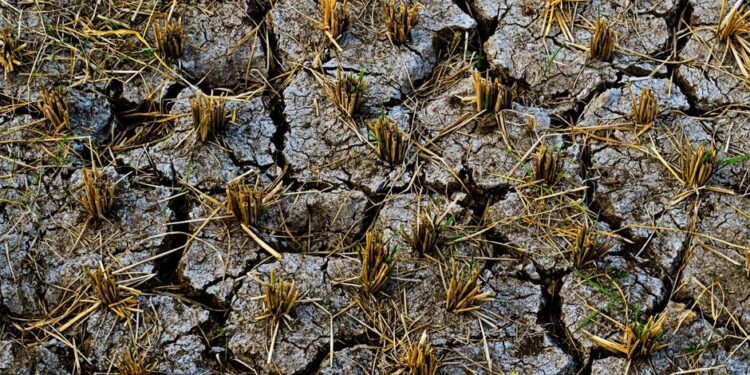
This anticipated dry spell comes at a critical time for farmers, as major staples like rice and wheat are particularly vulnerable to reduced rainfall.

India is set to face its driest monsoon since 2009. This is mainly due to the ongoing El Niño conditions. The India Meteorological Department (IMD) warns that rainfall may be much lower than average. This raises concerns for agriculture and food security across the country.
This dry spell comes at a critical time for farmers. Major staples like rice and wheat are especially vulnerable to less rainfall. The effects of this situation are wide-ranging. They impact not only crop yields but also water management strategies in India.
Impact on Major Crop Yields
El Niño has a known history of disrupting monsoon patterns in India. This often results in severe droughts. Career Ahead’s analysis of IMD data shows that rainfall may be over 20% below the long-term average. This could cause a significant drop in yields for vital crops like rice and wheat, which many Indians rely on. According to the Economic Times, this decline could worsen food inflation, which has already been a concern. If the monsoon fails to bring enough rain, rice production could fall by up to 15% this season. Such drops threaten food security and the livelihoods of farmers who depend on steady rainfall.
Many farmers face additional challenges. Many lack access to advanced irrigation systems. As Business Today reports, their reliance on rain-fed agriculture makes them especially vulnerable to weather changes. This highlights the urgent need for better irrigation solutions to lessen the impact of dry spells. The IMD also warns that El Niño’s effects may extend beyond this season. Prolonged dry conditions could harm soil health and fertility, jeopardizing future harvests.
In light of these challenges, agricultural economists must rethink crop production strategies. They should focus on developing drought-resistant crop varieties and improving irrigation infrastructure. This will help ensure resilience against future climate changes. The increasing unpredictability of weather patterns calls for a proactive approach to agricultural planning.
The current situation highlights the need for efficient water management practices.
Increased Demand for Water Management Solutions
The expected water scarcity due to the dry monsoon requires immediate action from water resource managers. The current situation highlights the need for efficient water management practices. Career Ahead’s research shows that farmers are likely to demand more irrigation solutions to cope with reduced rainfall.
Water resource managers should prioritize rainwater harvesting systems and efficient irrigation technologies. These methods can optimize water use, ensuring crops get enough hydration despite low rainfall. The IMD emphasizes that proactive measures are vital to protect agricultural productivity during this tough time. Collaboration between government bodies and agricultural stakeholders is essential. By sharing resources and knowledge, they can create strategies to improve water availability and support farmers during droughts. This teamwork can significantly boost the agricultural sector’s resilience against climate challenges.
As water scarcity becomes a pressing issue, conflicts over resources may rise. Water resource managers must prepare for this by establishing clear water usage guidelines. They should prioritize sustainable practices to ensure fair access to water for all farmers, regardless of their size. The IMD’s forecasts indicate that without immediate action, the agricultural sector could face serious challenges, leading to widespread economic issues.
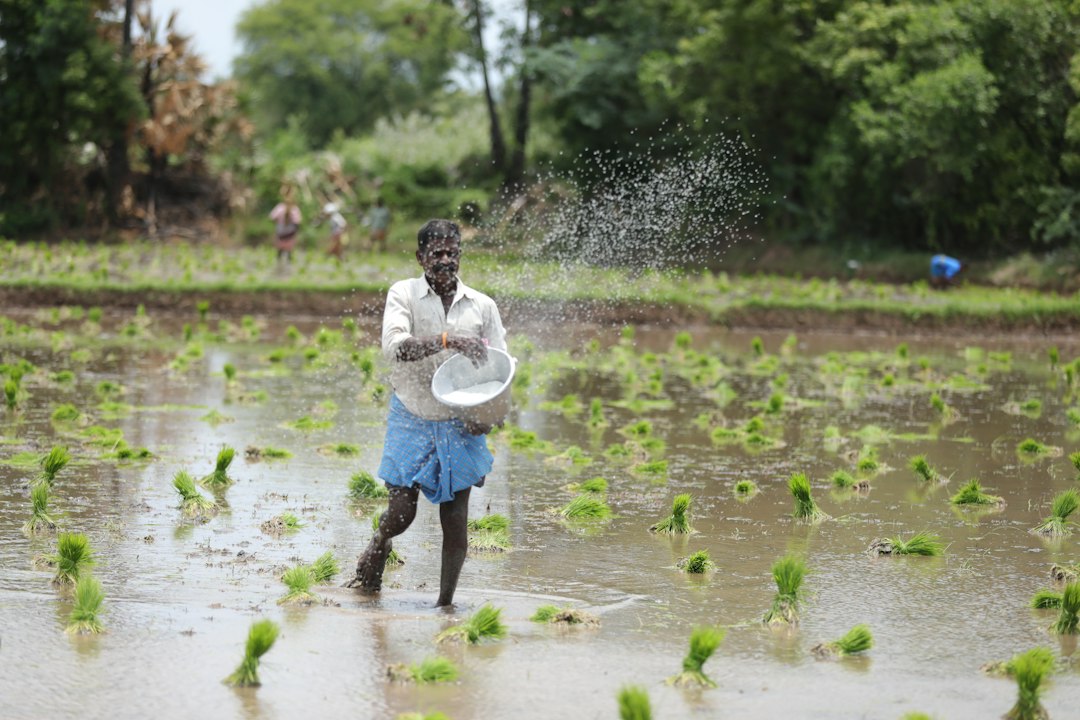
Technology’s role in agriculture is crucial. Investing in precision agriculture tools can give farmers insights into soil health and moisture levels. This allows for more targeted irrigation practices. Such technological integration is vital for building a resilient agricultural framework that can handle climate change uncertainties. As India braces for a challenging agricultural season, the focus must stay on proactive measures. Collaboration among agricultural economists, water resource managers, and farmers will be key in navigating the potential crisis.
It remains to be seen how effectively these stakeholders can implement strategies to lessen El Niño’s impact on India’s agriculture. The coming months will be critical for both crop yields and food security in the region.
Such technological integration is vital for building a resilient agricultural framework that can handle climate change uncertainties.
Frequently Asked Questions
What crops are most affected by a dry monsoon in India?
The crops most affected by a dry monsoon include rice and wheat, staple foods for many Indians. A significant reduction in rainfall can lead to lower yields and higher food prices.
How can water resource managers prepare for reduced rainfall?
Water resource managers can prepare for reduced rainfall by implementing efficient irrigation systems and promoting rainwater harvesting. These strategies can help optimize water use and ensure crops receive enough hydration.

What strategies should agricultural economists consider during El Niño years?
Agricultural economists should enhance data collection for better crop monitoring and advocate for sustainable practices. They should also promote investment in technology for precision agriculture and crop diversification.
Written by Career Ahead AI. AI can make mistakes, so verify key facts. Report errors to support@careeraheadonline.com.