No products in the cart.

Elroy Air’s Cargo Drone Bet
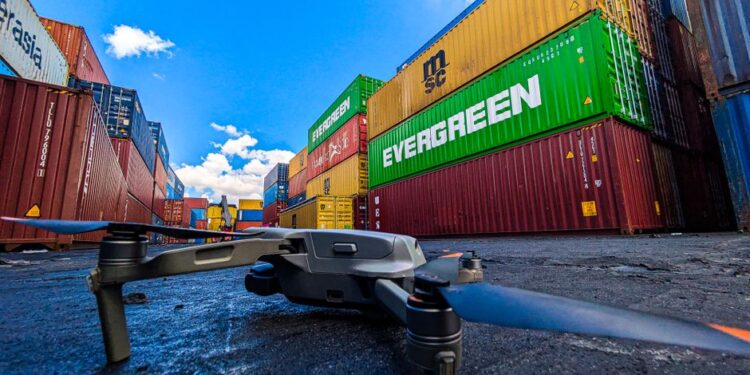
Elroy Air is poised to transform logistics with its innovative cargo drones, which promise to enhance delivery efficiency and reshape the industry landscape. CEO Andrew Clare emphasizes the potential of these drones to meet rising demand for fast and reliable logistics solutions.

Elroy Air, a drone startup, is making headlines by planning to go public at a valuation of around $1 billion. The company wants to replace traditional delivery trucks with long-range cargo drones. This move could change logistics and supply chain management significantly. This announcement was made on June 26, 2026, highlighting a major shift in how goods are transported across the United States.
The impact of Elroy Air’s innovations is broad, especially for logistics managers and drone engineers. As the need for efficient delivery solutions rises, integrating drones into supply chains is becoming crucial. Elroy Air’s CEO, Andrew Clare, pointed out that these drones can meet the increasing demand for fast and reliable logistics. He noted that the company’s heavy-payload aircraft can operate in various environments, making it a flexible choice for logistics companies aiming to improve delivery capabilities.
Impact on Logistics Management Practices
The launch of cargo drones by Elroy Air is set to change logistics management practices. Traditional delivery methods rely heavily on trucks, which face issues like traffic, fuel costs, and route efficiency. Drones, however, can deliver goods directly to their destinations, avoiding many of these problems. This is especially important in urban areas where congestion can delay deliveries.
As Elroy Air’s drones start operating, logistics managers will need to adjust their strategies. This change will likely lead to new operational frameworks that include drone technology in existing supply chains. Companies must invest in training to ensure their teams can manage drone logistics effectively. Integrating drones is not just a tech upgrade; it requires a fundamental change in how logistics operations are structured, needing a reevaluation of current processes and systems.
Career Ahead analysis shows that logistics managers who adopt this technology will gain a competitive edge. Understanding how to integrate drones into supply chains will be vital for success. Logistics professionals must keep up with advancements in drone technology and regulatory changes that could affect operations. As consumer expectations evolve, logistics companies will also face pressure to provide faster delivery times, which may require a complete overhaul of traditional logistics models.
Understanding how to integrate drones into supply chains will be vital for success.
You may also like
 Industry & Global Trends
Electronics Hardware Units Surge to 79, Exports Soar
India's Electronics Hardware Technology Parks (EHTPs) have expanded significantly, with units increasing from 70 to 79 and exports surpassing ₹11,200 crore. This growth reflects a…
Read More →As drone deliveries become more common, consumer expectations will change. Customers will want faster and more reliable delivery options, pushing logistics companies to innovate constantly. This pressure will require a reevaluation of how logistics operations are structured, focusing more on flexibility and responsiveness. The potential for cost savings is significant; by reducing reliance on trucks, companies may lower fuel and labor costs, allowing them to invest those resources elsewhere. This financial incentive will encourage more companies to consider drone integration.
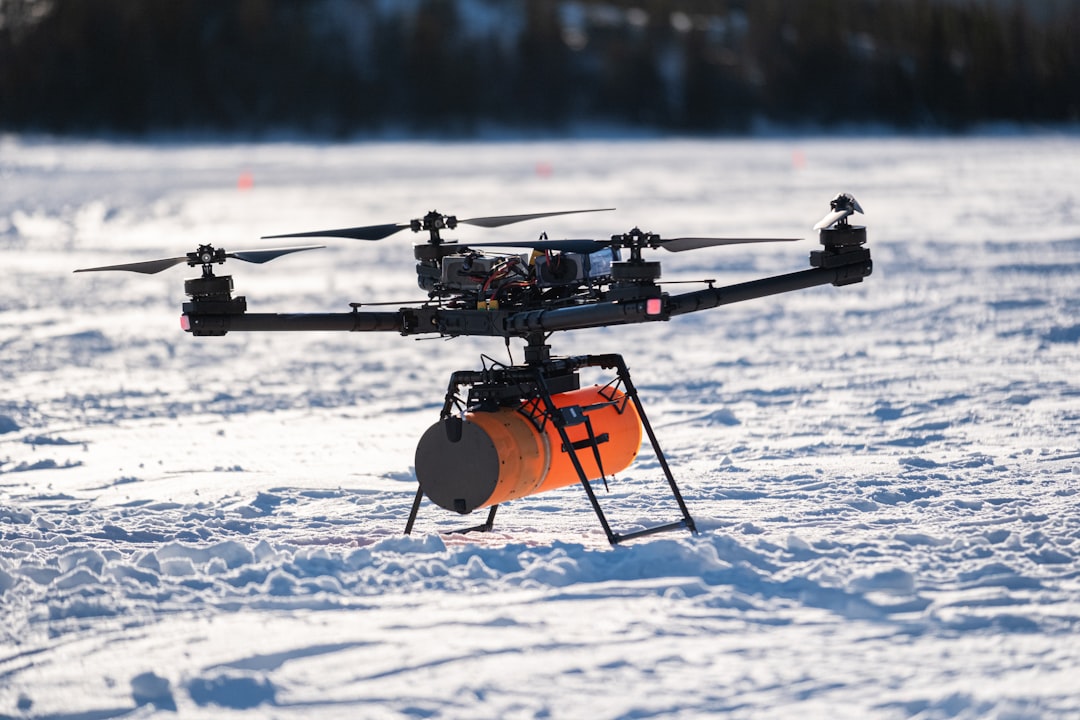
A report from Bloomberg states that Elroy Air’s approach is not just about replacing trucks but also about improving supply chain efficiency. The company’s drones are designed to carry large payloads over long distances, which can cut down the number of trips needed for deliveries. This capability could lead to a more sustainable logistics model, lowering carbon footprints associated with traditional delivery methods.
Emerging Skills for Drone Technology Engineers
The rise of cargo drones offers a unique chance for drone technology engineers. As Elroy Air leads the way, the need for skilled engineers who can design, build, and maintain these advanced aircraft will grow. Engineers will need expertise in areas like aerodynamics, robotics, and software development. The complexity of drone systems requires a mix of knowledge from various engineering fields to create efficient and reliable drones.
Career Ahead’s research suggests that professionals entering this field should focus on skills related to drone technology and logistics. Understanding drone operation, including navigation systems and payload management, will be crucial. Engineers must also be ready to work with changing regulations surrounding drone use. As the regulatory landscape for drones evolves, engineers will need to stay updated on compliance requirements and safety standards.
As the logistics industry evolves, educational institutions must adapt their curricula to meet these new demands. Programs offering specialized training in drone technology will become more valuable, equipping students with the skills needed to succeed in this new environment. Collaboration between engineers and logistics managers will be essential. Engineers must work closely with logistics teams to ensure drone technology meets operational needs. This partnership will drive innovation and help create solutions that improve delivery efficiency.
Career Ahead’s research suggests that professionals entering this field should focus on skills related to drone technology and logistics.
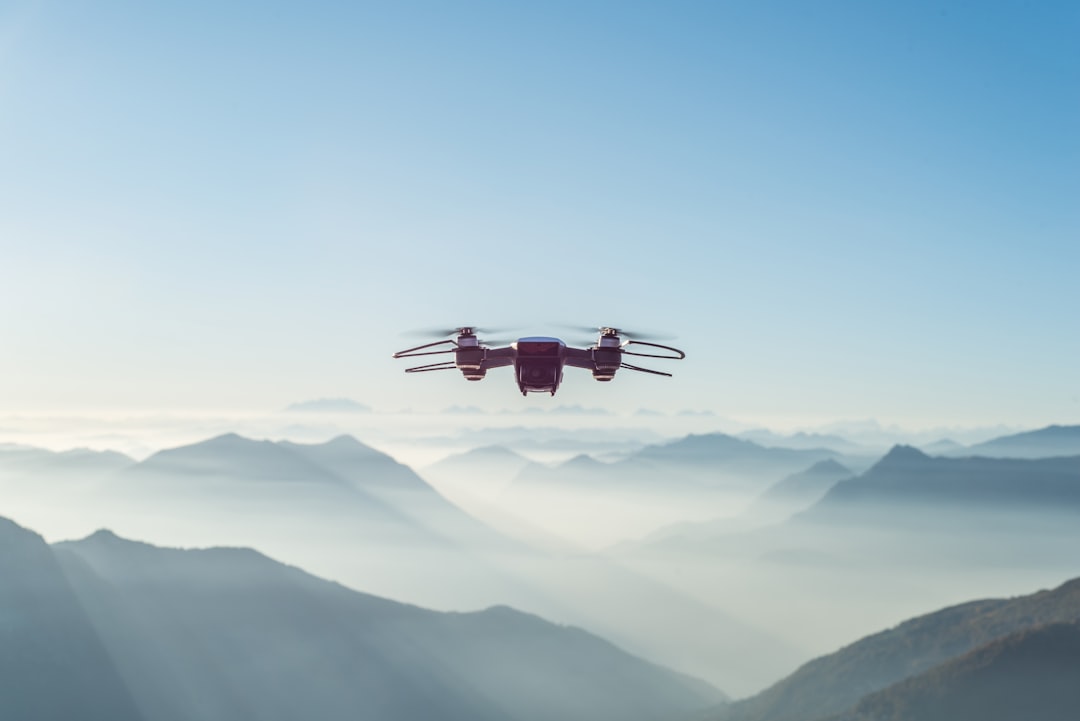
Ultimately, integrating drones into logistics will require a new mindset among engineers and managers. Embracing this technology will enhance operational capabilities and position companies as leaders in the fast-changing logistics landscape. As Elroy Air continues to innovate, the potential for growth in this sector is significant, attracting attention from investors and industry leaders.
You may also like
 Industry & Global Trends
Manorama Industries Shares Jump 8% on Strong Q1 Performance
Manorama Industries shares surged over 8% on August 14, 2026, following the company's impressive Q1 FY27 results, which included a 67.6% year-on-year increase in net…
Read More →Elroy Air’s market entry highlights a growing interest in drone technology and logistics, drawing significant investment opportunities in the aerospace sector. As more companies explore drone delivery, venture capitalists are eager to invest in innovative startups that can disrupt traditional logistics. According to Bloomberg, the global logistics market is expected to reach $12 trillion by 2027, indicating that integrating drone technology will be a major part of this growth.
In conclusion, the rise of cargo drones marks a crucial moment for logistics and supply chain management. As Elroy Air leads the way, professionals in the field must adapt to upcoming changes and embrace the opportunities this technology offers. The future of logistics is not just about efficiency; it is about rethinking how goods are delivered in a rapidly changing world.
Frequently Asked Questions
What skills do drone technology engineers need to work on cargo drones?
Drone technology engineers need skills in aerodynamics, robotics, and software development. Understanding drone navigation systems and payload management is also key for success in this field.
Drone technology engineers need skills in aerodynamics, robotics, and software development.
How can logistics managers prepare for the integration of drones in supply chains?
Logistics managers can prepare by staying updated on drone technology advancements and regulatory changes. Investing in training for their teams on drone logistics will also be vital.
What investment opportunities exist in the drone delivery market?
Investors should focus on startups developing drone technology and logistics management software. Companies that integrate drones with existing logistics frameworks are likely to experience significant growth.
You may also like
 Industry & Global Trends
Indian Influencers Earn ₹4 Crore
Digital content creators in India are leveraging paid Instagram subscriptions to earn substantial incomes, with some influencers making as much as ₹4 crore annually. This…
Read More →