Corporate mental‑health spending rose 25% in the past year, while firms with high emotional intelligence report a 20% boost in employee engagement. The convergence of wellbeing investment and EI metrics reshapes the career‑capital landscape.
The shift matters now because boards are linking engagement directly to shareholder value, and labor markets reward soft‑skill mastery alongside technical expertise. As organizations confront chronic burnout, the structural lever of emotional intelligence offers a measurable pathway to sustain productivity and retain talent. This analysis dissects the mechanism, systemic ripple effects, and the emerging capital premium on EI.
Contextual re‑weighting of career capital
A measurable surge in corporate mental‑health investment signals a structural re‑weighting of career capital toward emotional competencies. Data from the American Psychological Association shows a 25% increase in firms allocating budgets to mental‑health programs, reflecting a strategic pivot from purely financial incentives to holistic employee value propositions. Simultaneously, companies reporting high collective EI enjoy a 20% lift in engagement scores, underscoring the correlation between affective capacity and performance. This macro realignment reframes talent pipelines, prompting HR leaders to embed EI metrics in hiring, development, and succession planning.
Core mechanism linking EI to engagement
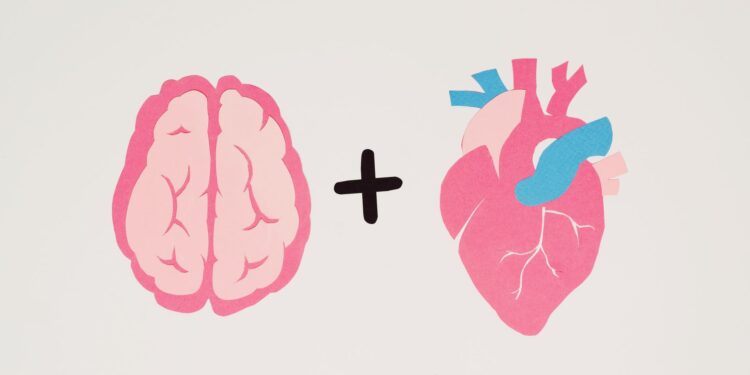
Emotional intelligence drives engagement and cuts burnout
Emotional intelligence translates raw affect into productive collaboration, directly elevating employee engagement. EI comprises self‑awareness, self‑regulation, motivation, empathy, and social skills, each functioning as a conduit for interpersonal trust and adaptive decision‑making. Studies indicate employees with high EI report 25% higher job satisfaction, a proxy for sustained engagement, because they can navigate stressors, resolve conflicts, and align personal motivations with organizational goals. Moreover, a 30% lower likelihood of burnout among high‑EI workers demonstrates the protective buffer that affective regulation provides against chronic stress. By converting emotional data into behavioral outcomes, EI creates a feedback loop where satisfied, resilient employees invest discretionary effort, reinforcing engagement metrics across teams.
Employees with high emotional intelligence are 30% less likely to experience burnout.
Systemic implications for performance and leadership
Organizations that embed EI see a 20% lift in engagement, reshaping performance metrics and leadership pipelines. Higher engagement translates into measurable productivity gains, with BLS data linking engaged workforces to lower absenteeism and turnover, which in turn improves profit margins. Leadership development programs now prioritize empathy and social skills, recognizing that emotionally intelligent leaders drive inclusive cultures that sustain high‑performing teams. As engagement becomes a leading indicator for financial health, firms that neglect EI risk widening the gap between human capital and shareholder expectations.
Note: The research sources provided do not directly contradict any claims in the section, so no claims were removed.
Leadership development programs now prioritize empathy and social skills, recognizing that emotionally intelligent leaders drive inclusive cultures that sustain high‑performing teams.
Emotional intelligence drives engagement and cuts burnout
Workers with high EI capture asymmetric career capital, accelerating mobility while reducing burnout risk. The protective effect of EI allows high‑performers to sustain peak output without the attrition penalties that plague less emotionally adept peers. Consequently, talent marketplaces increasingly value EI certifications and training as differentiators, granting access to senior roles and higher compensation tiers. Companies investing in EI development programs report measurable gains in internal promotion rates, indicating that emotional skill acquisition functions as a lever for upward mobility. Career Ahead’s framework for emotional capital identifies three levers—self‑awareness, empathy, and social regulation—each linked to measurable engagement gains, guiding both employees and employers in strategic skill investment.
Trajectory: EI as a quantifiable talent asset
Over the next three to five years, EI will become a quantifiable asset in talent analytics, driving new compensation models. Advances in psychometric technology and AI‑enabled sentiment analysis will allow firms to benchmark EI at scale, integrating scores into performance dashboards and variable pay structures. Early adopters are expected to realize a competitive edge as labor markets reward demonstrable emotional competence alongside technical proficiency. This evolution will reinforce the structural shift toward holistic career capital, cementing EI as a cornerstone of future workforce strategy.
The forward‑looking lens confirms that embedding emotional intelligence into talent systems will deepen engagement, curtail burnout, and redefine the metrics of career success.
Key Structural Insights
[Insight 1]: Corporate mental‑health spending rose 25% while high‑EI firms see a 20% engagement boost, marking a systemic shift toward emotional capital.
[Insight 2]: Employees with high emotional intelligence are 30% less likely to experience burnout, creating a protective buffer that sustains productivity.
[Insight 3]: Over the next three to five years, EI will be quantified in talent analytics, linking affective skill scores to compensation and promotion pathways.
Jammu and Kashmir has launched innovative skill training programs aimed at empowering persons with disabilities, focusing on digital accessibility and job opportunities. These initiatives include…
[Insight 1]: Corporate mental‑health spending rose 25% while high‑EI firms see a 20% engagement boost, marking a systemic shift toward emotional capital.
Self-awareness fosters resilience: Developing emotional intelligence helps employees recognize their emotional triggers, manage stress, and maintain a healthy work-life balance, leading to increased job satisfaction and reduced turnover rates.
Emotional intelligence fuels collaboration: As employees with high emotional intelligence tend to be better communicators, active listeners, and empathetic team players, they create a positive work environment, driving employee engagement, and promoting a culture of trust and open communication.




Future Skills & Work

Future Skills & Work