No products in the cart.

Empowering Women through Millet Entrepreneurship in India
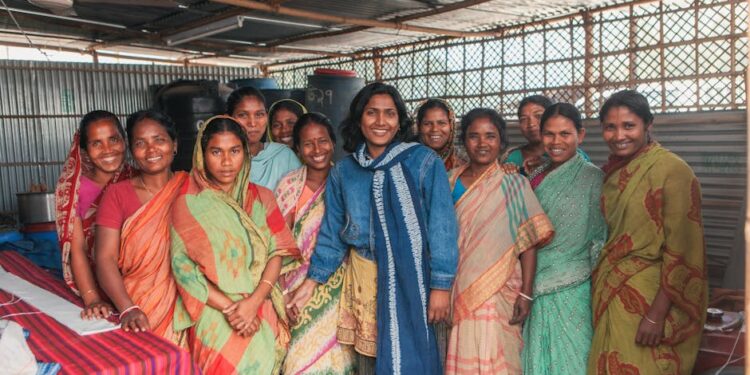
A transformative initiative across India is empowering women through millet-based enterprises, promoting sustainable agriculture and economic independence. This movement not only revives traditional recipes but also challenges gender norms, fostering a culture of entrepreneurship.

Across India, a transformative initiative is underway, focusing on empowering women through millet-based enterprises. This movement coincides with World Earth Day 2026, highlighting the importance of sustainable agriculture and nutrition. Governments and organizations nationwide are working to revive millet cultivation and promote it as a viable business opportunity for women, particularly in rural and tribal communities.
Women across various states are being trained to process millets and create market-ready products from traditional recipes. This initiative not only aims to enhance their economic independence but also to revive the nutritional benefits of millets, often referred to as ‘nutri-cereals.’ Reports indicate that millets have been a staple in Indian diets for centuries but have lost prominence to rice and wheat due to changing agricultural practices. This initiative is part of a broader effort to shift dietary preferences back towards these nutritious grains.
In training halls across the country, women are learning to prepare various millet-based dishes, including noodles made from jowar and moong dal flour. Nutritionists lead these workshops, emphasizing the importance of both technical skills and cultural heritage in food preparation. This hands-on training is crucial in equipping women with the skills needed to start their own businesses.
Reviving Tradition Through Entrepreneurship
The millet initiative is not just about food; it is about building a sustainable livelihood for women. In various regions, women have established small-scale production units that create a variety of snacks and sweets using locally grown millets. Shanti, a beneficiary of this program from a tribal community, shared that they produce 15 to 20 types of snacks, which have gained popularity in their village and surrounding areas. This success story is echoed nationwide, highlighting how women are not only preserving traditional recipes but also adapting them to modern tastes, thereby enhancing their marketability.
This hands-on training is crucial in equipping women with the skills needed to start their own businesses.
This entrepreneurial spirit is supported by local NGOs and government programs. Women receive training and financial assistance to set up their businesses, allowing them to turn traditional recipes into profitable ventures. The initiative has sparked a renewed interest in millets, promoting them as a healthy alternative to more commonly consumed grains. Reports indicate that governments across India are actively involved in providing resources and support to ensure the sustainability of these enterprises.
You may also like
 Government & Policy
Sebi penalises SMC Global Securities for compliance lapses
SEBI's findings indicated that SMC Global did not keep appropriate pre-order placement records for some clients and could not provide relevant documentation for multiple orders,…
Read More →Moreover, the focus on women entrepreneurs helps to challenge traditional gender roles in these communities. By empowering women to take charge of their economic futures, the initiative fosters a sense of independence and self-worth. This shift not only benefits the women involved but also contributes to the overall economic development of their communities. As these women gain confidence and skills, they are also becoming role models for younger generations. The initiative encourages a culture of entrepreneurship among women, paving the way for future business leaders in the region.
Wider Implications for Agriculture and Economy
The millet push in India has broader implications for the agricultural landscape and local economies. By promoting millet cultivation, the initiative supports sustainable farming practices that are less resource-intensive than traditional crops like rice and wheat. Millets require less water and are more resilient to climate change, making them an ideal crop for farmers facing environmental challenges. This shift towards millets aligns with global trends in sustainable agriculture, advocating for crops that can withstand the pressures of climate change.
Furthermore, the economic impact of this initiative extends beyond individual households. As women entrepreneurs thrive, they contribute to local markets and create jobs within their communities. This economic activity can stimulate growth in related sectors, such as transportation and retail, further enhancing the local economy. The millet initiative is not just a local phenomenon but part of a larger movement towards sustainable food systems that can have lasting effects on food security and nutrition.

According to various reports, governments and organizations are taking proactive steps to revive millet cultivation and consumption, recognizing the nutritional benefits and sustainable farming advantages of these grains. This initiative aligns with global trends towards healthier eating and sustainable agriculture, positioning India as a leader in this movement. As the initiative continues to grow, it may inspire similar programs in other regions, showcasing the potential of women-led enterprises to drive economic change and promote sustainable practices in agriculture.
The initiative encourages a culture of entrepreneurship among women, paving the way for future business leaders in the region.
In summary, the millet initiative in India is a powerful example of how targeted programs can empower women and revitalize local economies. By focusing on sustainable agriculture and entrepreneurship, this movement is not only transforming lives but also contributing to a healthier planet. As more women step into leadership roles within their communities, the question remains: how will this shift in economic power influence the future of agriculture and gender equality in India and beyond?
You may also like
 Government & Policy
Robotaxi operators will face fines for blocking first responders
California's new law imposes fines on robotaxi operators for obstructing emergency services, marking a significant regulatory shift in the autonomous vehicle industry.
Read More →