No products in the cart.

End of Diesel Fumes at London St Pancras with New Aurora Trains
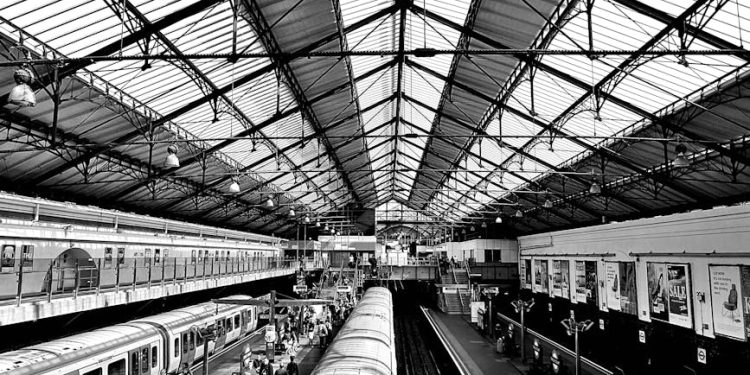
London, UK — The arrival of new Aurora trains at St Pancras station signals the end of diesel fumes in the area, promising a cleaner and quieter travel experience.

London, UK — The arrival of new bi-mode Aurora trains at St Pancras station marks a significant milestone in the effort to reduce diesel emissions in one of London’s busiest transport hubs. East Midlands Railway (EMR) is set to phase out its diesel units by the end of 2026, leading to a cleaner and quieter travel experience for commuters and travelers alike. This transition is not only a technological upgrade but also a step towards more sustainable rail travel in the UK.
The new Aurora trains, built by Hitachi, will operate on electricity in the southern regions while switching to diesel in areas where electrification has yet to be implemented. This bi-mode capability allows for a substantial reduction in carbon emissions—up to 66%—when operating on electric power. Will Rogers, managing director of EMR, emphasized the impact of these trains, stating that they will bring a noticeable change in terms of noise and emissions at St Pancras.
Historically, the area around King’s Cross and St Pancras was notorious for its pollution from diesel trains. With the introduction of the Aurora fleet, this narrative is changing, and London is taking steps to improve air quality. Currently, about 70% of Great Britain’s passenger train fleet is electric, but only 39% of the railway’s route length is electrified. This means that the transition to cleaner trains is still a work in progress, but the arrival of the Aurora trains represents a significant leap forward.
Impact of Aurora Trains on Commuters
The introduction of the Aurora trains will have direct implications for commuters traveling to cities like Derby, Leicester, and Sheffield. With more seats and improved facilities, passengers can expect a more comfortable journey. The trains also feature new technology aimed at improving connectivity, addressing a common complaint about the patchy mobile service on trains.
This means that the transition to cleaner trains is still a work in progress, but the arrival of the Aurora trains represents a significant leap forward.
As these new trains roll out, commuters will benefit not only from cleaner air but also from enhanced travel experiences. The investment in the Aurora fleet, which cost £490 million, reflects a commitment to modernizing the rail network and making it more efficient. This is particularly important as rail travel continues to be a more environmentally friendly option compared to cars and planes.
You may also like
 AI & Technology
OpenAI drops another batch of mathematical breakthroughs
OpenAI has released 722 manuscripts detailing significant mathematical breakthroughs that could transform AI and data science. These findings are expected to enhance machine learning efficiency…
Read More →However, the transition to cleaner trains has not come without challenges. The electrification of the Midland main line has faced delays and budget overruns, leading to a scaled-back plan. While EMR is optimistic about the future, there is a clear need for continued investment in rail infrastructure to support the growing fleet of bi-mode and electric trains.
Preparing for a Sustainable Rail Future
As the rail industry moves towards sustainability, there are several steps that individuals and organizations can take to prepare for this shift. Here are some actionable insights:
- Stay Informed: Follow updates from East Midlands Railway and other rail operators about new train services and sustainability initiatives.
- Advocate for Electrification: Support local and national efforts to expand electrification of rail lines, which will enhance the efficiency and environmental benefits of train travel.
- Opt for Rail Travel: Whenever possible, choose train travel over car or air travel to reduce your carbon footprint and support sustainable transport options.
- Engage with Community Initiatives: Participate in local discussions or initiatives aimed at improving public transport and reducing reliance on diesel vehicles.
However, experts warn that while the introduction of bi-mode trains is a step in the right direction, it may not fully address the urgent need for complete electrification of the rail network. Some industry analysts argue that without a robust electrification plan, the benefits of these new trains could be limited in the long term.
Future of Rail Travel in London
The arrival of the Aurora trains signals a promising future for rail travel in London and beyond. With ongoing discussions about further electrification and the potential for new technologies, the rail industry is at a crossroads. The government’s commitment to decarbonizing transport will likely shape future investments and innovations in the sector.
While EMR is optimistic about the future, there is a clear need for continued investment in rail infrastructure to support the growing fleet of bi-mode and electric trains.
As cities strive to meet environmental targets, the rail industry must adapt and innovate. The successful implementation of bi-mode trains could pave the way for even more advanced solutions, such as battery-powered trains or further electrification projects. The question remains: how quickly can the rail industry move to embrace these changes while balancing costs and public expectations?
You may also like
 Industry & Global Trends
Paramount and Warner Bros Form Skydance Powerhouse
The merger of Paramount Pictures and Warner Bros has created Skydance, a new Hollywood giant, poised to reshape the entertainment landscape.
Read More →