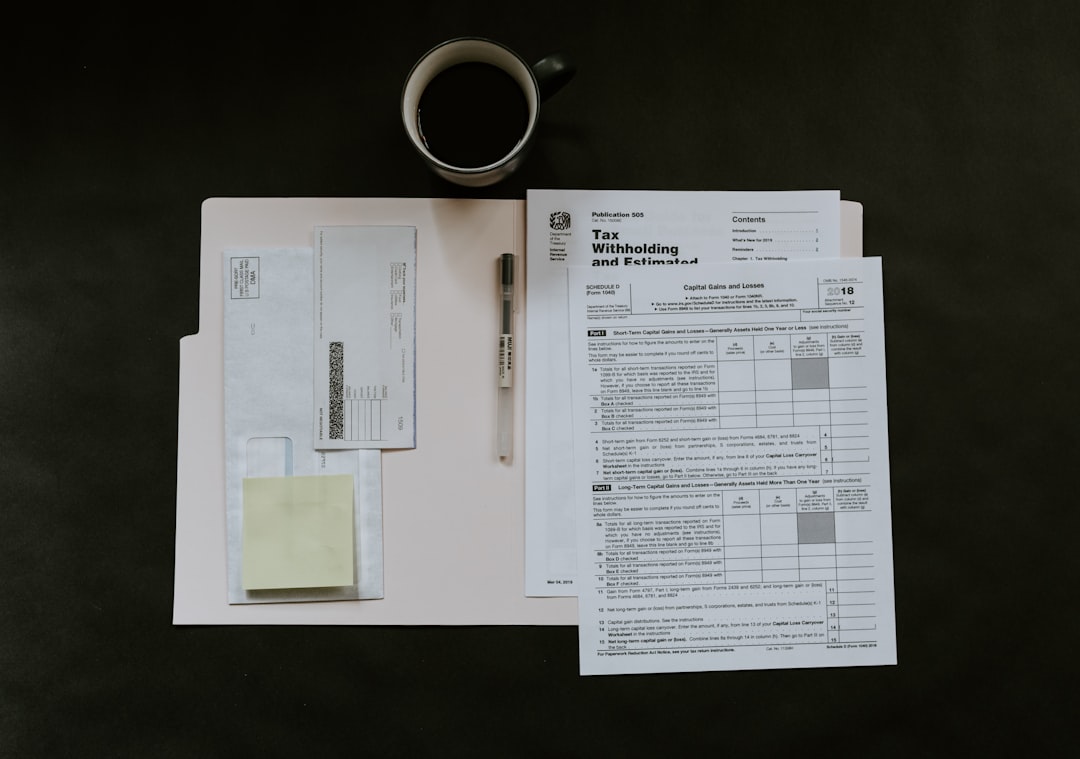
India’s tax season is underway, and employees are reminded of the critical importance of retaining specific invoices and documentation to support their tax-free reimbursement claims. As of August 2026, over 5.9 crore income-tax returns were filed for the assessment year 2026-27. This year’s filing deadline for certain forms has passed, but many taxpayers still have time to file delayed returns. Understanding what documents to keep is essential for maximizing tax benefits and ensuring compliance.
The need for proper documentation is emphasized by financeprofessionals, who note that employees must support their tax-free claims with credible records. According to experts, reimbursements that are directly related to official duties, such as travel and accommodation, can be claimed as tax-free. However, personal expenses typically do not qualify and may be subject to taxation. As highlighted by Livemint, employees should be particularly vigilant about distinguishing between personal and business expenses to avoid potential issues with tax authorities.
Essential Invoices and Documentation for Tax-Free Claims
Employees seeking to claim tax-free reimbursements should maintain a comprehensive set of documents. Career Ahead’s analysis of tax guidelines highlights several critical records that must be retained:
**Tax Invoices and Bills:** These should clearly identify the goods purchased or services availed, along with details such as the vendor’s GSTIN, invoice date, and itemized description of the expense.
**Proof of Payment:** Employees must keep bank statements, credit card statements, or digital payment receipts that verify the expense was incurred.
**Invoices in Employee’s Name:** For recurring expenses like internet and mobile services, invoices should be issued in the employee’s name or as required under the employer’s policy.
**Expense Claim Forms:** All submissions made to the employer for reimbursement should be documented, including any supporting declarations or approvals.
**Asset Purchase Invoices:** For work-related equipment such as laptops or software, invoices should be kept to validate reimbursement claims.
Additionally, for expenses related to internet and telephone reimbursements, employees should retain detailed monthly bills that show service periods and usage details. This thoroughness in documentation helps substantiate claims and reduces the risk of audits. The Times of India emphasizes that maintaining accurate records not only aids in tax compliance but also empowers employees to defend their claims if questioned by tax authorities.
Moreover, for employees working from home, maintaining supporting invoices and, when applicable, employer declarations confirming the official business use of equipment can further strengthen their documentation trail. This is particularly important as remote work becomes more common and tax regulations evolve. The shift towards remote work has prompted many employees to incur additional expenses that may qualify for reimbursement, making it essential to keep accurate records of such expenditures.
As life expectancy increases, planning for retirement requires a more nuanced approach. Financial advisors emphasize that a retirement strategy must account for inflation, healthcare costs,…
Moreover, for employees working from home, maintaining supporting invoices and, when applicable, employer declarations confirming the official business use of equipment can further strengthen their documentation trail.
Understanding these requirements is crucial, especially as the tax landscape continues to change. Employees who fail to retain adequate documentation may face challenges during tax filing and potential penalties from tax authorities. The IRS also emphasizes the importance of keeping thorough documentation for tax purposes, which aligns with the requirements set forth in India. This dual emphasis on documentation underscores its critical role in the tax filing process.
The Impact of Proper Documentation on Tax Filings
Proper documentation not only aids in claiming tax-free reimbursements but also plays a significant role in overall tax compliance. Career Ahead research indicates that many employees are unaware of the specific documentation required, which can lead to missed opportunities for tax benefits. The consequences of inadequate documentation can be severe. Employees may face audits, penalties, or even denial of their tax-free claims if they cannot provide sufficient evidence of their expenses. This not only affects their current tax filings but can also have long-term implications for their financial health.
As tax regulations continue to evolve, employees must stay informed about the requirements for tax-free reimbursements. Understanding the nuances of what qualifies as a business expense versus a personal expense is essential for effective financial planning. Employees should also be proactive in gathering and organizing their financial records, as this will streamline the filing process and reduce stress during tax season.
Ultimately, the ability to demonstrate compliance through well-maintained records can significantly impact an employee’s financial standing. By prioritizing documentation, employees can navigate the complexities of tax filings with greater confidence. As the tax season progresses, employees and finance professionals alike should remain vigilant about the evolving requirements for tax compliance. The landscape of tax regulations is likely to shift further, and being prepared with the right documentation will be essential for future filings.
In summary, the retention of proper documentation is crucial for employees looking to maximize their tax-free reimbursement claims. As the tax landscape develops, staying informed about the necessary invoices and records will empower employees to make informed financial decisions. The proactive approach to documentation not only aids in compliance but also enhances the overall financial literacy of employees, equipping them to handle their tax obligations more effectively.
Understanding the nuances of what qualifies as a business expense versus a personal expense is essential for effective financial planning.
Frequently Asked Questions
What invoices should employees retain for tax-free reimbursements?
Employees should keep tax invoices that identify goods or services purchased, proof of payment like bank statements, and any expense claim forms submitted to their employer. These documents substantiate claims and ensure compliance with tax regulations.
How can finance professionals assist employees in tax planning?
Finance professionals can guide employees on the necessary documentation for tax-free reimbursements and help them understand tax regulations. They can also provide insights into effective financial planning strategies to maximize tax benefits.
What should employees do if they lose a receipt for a tax reimbursement?
If a receipt is lost, employees should try to obtain a duplicate from the vendor. Additionally, keeping other proof of payment, such as bank statements, can help substantiate the expense in the absence of a receipt.



Career Tips
 Career Tips