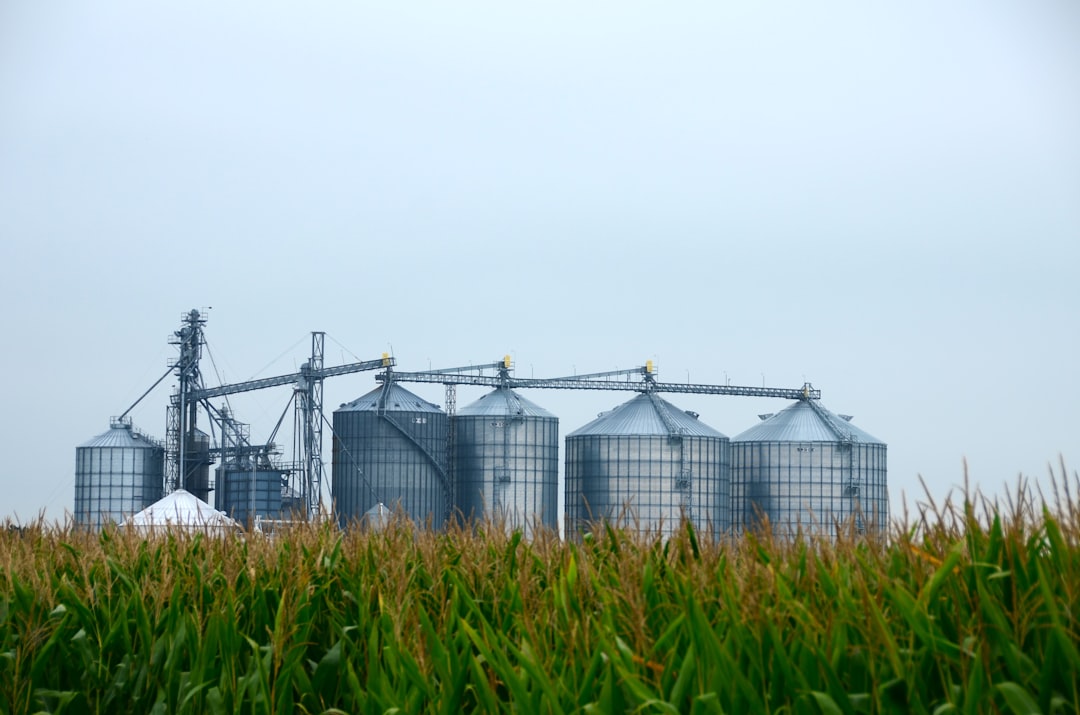
India's ethanol production has surged, leading to a significant surplus that is driving export initiatives to neighboring countries with blending mandates.
India’s ethanol production has risen to over 20 billion liters each year. This surplus has led producers to look for export opportunities. The country’s ethanol output now exceeds local demand. As a result, there is a push to export to neighboring countries like Nepal, Bangladesh, and Indonesia. This shift is a key moment for the Indian ethanol industry as it adapts to a changing market.
The All India Distillers’ Association (AIDA) reports that many countries in the region are considering 10% ethanol blending mandates. However, they lack the necessary feedstock and distilling capacity. Bharti Balaji, AIDA’s deputy director general, said, “We are seeking ethanol exports, because that would help in the interim period to move out some surplus from the country.” This transition shows the need for strategic partnerships and export management in the ethanol sector. The Economic Times notes that the Indian government promotes ethanol blending as part of its renewable energy strategy. However, the current surplus presents a challenge that requires a shift toward international markets.
Strategic Partnerships for Export Growth
As India aims to export its ethanol surplus, forming strategic partnerships with neighboring countries is crucial. Countries like Nepal and Bangladesh are good candidates due to their growing blending targets. Yet, they lack the infrastructure to produce enough ethanol locally. This creates an opportunity for Indian producers to fill that gap. The Economic Times reports that India’s ethanol production capacity is expected to rise by an additional 4 billion liters this fiscal year. However, domestic demand remains steady at around 11 billion liters annually. This leaves about 7 billion liters of surplus ethanol, highlighting the need for export strategies.
To take advantage of this surplus, Indian ethanol producers should focus on forming alliances with countries ready to implement blending mandates. For example, Nepal is considering a 10% blending mandate but lacks the feedstock and distilling capacity to meet this goal. By exporting surplus ethanol, India can help these countries reach their blending targets while addressing its own surplus. Additionally, the recent clearance for exporting second-generation ethanol made from crop residue and biomass could open new markets. This would increase the competitiveness of Indian ethanol globally. AgriInsite notes that this development could greatly improve India’s position in the international ethanol market as global demand for renewable energy rises.
Job Opportunities in the Export Sector
The shift towards ethanol exports is creating new job opportunities, especially for export managers in agriculture. As international demand for ethanol grows, skilled professionals will be needed to navigate export regulations and market dynamics. Career Ahead research shows that the role of export managers will become more important in the coming years. The Economic Times highlights that the ethanol industry operates at about 60% capacity. The push for exports could lead to improved production efficiency and job creation. Analysts expect utilization rates to rise to 65-75% in the next few years, indicating potential growth in the industry.
Tewolde Gebremariam has been appointed as the new CEO of Air India, effective August 5, 2026. His leadership is expected to bring significant changes to…
As international demand for ethanol grows, skilled professionals will be needed to navigate export regulations and market dynamics.
As India seeks to export ethanol, it must also navigate various regulations and trade agreements. Export managers will be key in ensuring compliance with international standards and facilitating smooth transactions. Their expertise will help identify potential markets and develop effective strategies for market entry. As the Indian ethanol industry shifts to an export-focused model, educational institutions must adapt to prepare the workforce for these new roles. The demand for specialized training in export management and international trade will likely increase, creating pathways for young professionals.
In summary, India’s move towards ethanol exports is about more than just addressing surplus. It is also about creating new job opportunities and strategic partnerships. The evolution of the ethanol sector will require a skilled workforce ready to engage with global markets. As the industry adapts, stakeholders must remain agile and responsive to the changing dynamics of international trade.
Looking ahead, the Indian ethanol market is set for significant changes. The ongoing surplus presents both challenges and opportunities as producers seek to export their excess. As neighboring countries implement blending mandates, the demand for Indian ethanol could rise, changing market dynamics. Moreover, the recent clearance for second-generation ethanol could lead to new market entries, especially in underserved regions. This shift could strengthen India’s position in the global ethanol market and stimulate further growth.
However, challenges remain. The Indian government must tackle regulatory hurdles that limit the export of first-generation ethanol. Until these barriers are removed, producers may struggle to fully capitalize on the growing international demand for ethanol. Ultimately, the success of India’s export strategy will depend on the industry’s ability to innovate and adapt to changing market conditions. As global demand for renewable energy increases, India’s ethanol sector could play a key role in meeting these needs while driving economic growth at home.
As the ethanol market evolves, how will Indian producers adapt to these challenges and seize opportunities in international markets?
As global demand for renewable energy increases, India’s ethanol sector could play a key role in meeting these needs while driving economic growth at home.
Frequently Asked Questions
What are the export regulations for ethanol in India?
India currently restricts the export of first-generation ethanol made from sugarcane and grains. However, second-generation ethanol from crop residue and biomass has received export clearance, allowing producers to explore international markets.
How can I find potential markets for ethanol exports?
Producers can identify potential markets by researching countries with established ethanol blending mandates. Countries like Nepal, Bangladesh, and Indonesia are exploring blending targets and may need imported ethanol to meet their goals.
What strategies should ethanol producers adopt to enter new markets?
Ethanol producers should focus on forming strategic partnerships with countries looking to implement blending mandates. Understanding local regulations and market dynamics will be crucial for successful market entry.




Industry & Global Trends

 Industry & Global Trends