
Shares of Sterlite Technologies and HFCL rose by 5% each on August 5, 2026. This increase followed reports that the US administration is considering a ban on Chinese data center equipment imports. The proposed ban aims to protect infrastructure that supports the rapid growth of artificial intelligence (AI) in the US. It particularly targets optical transceivers used in data centers.
The Federal Communications Commission (FCC) is reportedly working on measures to block imports of new Chinese optical transceivers. These transceivers are crucial for high-speed data transfer within data centers. As the US seeks to secure its technological landscape, this move could significantly impact the telecommunications sector. According to the Economic Times, the ban is part of a broader strategy. It aims to boost domestic production and reduce reliance on foreign technology, especially from China, amid ongoing geopolitical tensions.
Implications for Telecommunications Engineers
The US ban on Chinese data center devices may create new opportunities for telecommunications engineers. Companies like Sterlite Tech and HFCL are preparing to expand operations. Engineers will need to adapt to new technologies and suppliers. Career Ahead analysis finds that this shift may reveal a skills gap. Engineers must learn about alternative data center technologies that comply with regulations.
With the expected rise in demand for domestic optical transceivers and other components, engineers must stay updated on market developments. They need to understand the specifications and capabilities of products from new suppliers. This push for domestic production may also lead to innovations in design and manufacturing processes. Engineers will face unique challenges and opportunities. As noted by Trendlyne, the shift towards local suppliers may encourage engineers to engage in collaborative projects that foster innovation.
As companies shift to new suppliers, engineers will play a critical role in evaluating these options. They will need to assess the reliability and performance of new technologies. This ensures they meet the demands of high-performance computing and AI infrastructure. Engineers must proactively seek training and resources to close any knowledge gaps. The evolving landscape will require a workforce that is technically proficient and adaptable to rapid changes.
With the expected rise in demand for domestic optical transceivers and other components, engineers must stay updated on market developments.
As the telecommunications industry adapts, engineers who can navigate this landscape will be in high demand. Those with experience integrating new technologies into existing systems will have a competitive advantage. Companies will look to streamline operations while complying with new regulations. The ability to innovate and implement new solutions will be crucial as the sector becomes more domestically focused.
 Industry & Global Trends
Oil and Gas Prices Surge Amid Middle East Shipping Attacks
The attacks in the Strait of Hormuz have triggered a significant rise in oil prices, impacting bond yields and stock markets globally.
Read More →Shifts in Supply Chain Management
The proposed US ban on Chinese data center devices will likely lead to significant changes in supply chain management within telecommunications. Companies will need to reassess their procurement strategies. They will focus on domestic suppliers to mitigate risks associated with foreign imports. This adjustment will impact sourcing decisions and the overall cost structure of data center operations.
Career Ahead research shows that transitioning to alternative suppliers may increase costs for US cloud firms like Amazon Web Services. These companies may need to invest in new partnerships and logistics to ensure a steady supply of critical components. As a result, procurement teams must be agile and strategic in their sourcing efforts. They must balance cost considerations with quality and reliability. The CompaniesMarketCap report emphasizes that this shift could lead to a more resilient supply chain. Companies will develop closer relationships with local manufacturers and suppliers.
Additionally, the shift towards domestic suppliers could foster greater collaboration between telecommunications companies and local manufacturers. This collaboration may lead to new technologies tailored to the US market’s specific needs. Companies like HFCL, which are expanding manufacturing capacities, are well-positioned to capitalize on these emerging opportunities. The anticipated growth in domestic production could also stimulate job creation within the sector.
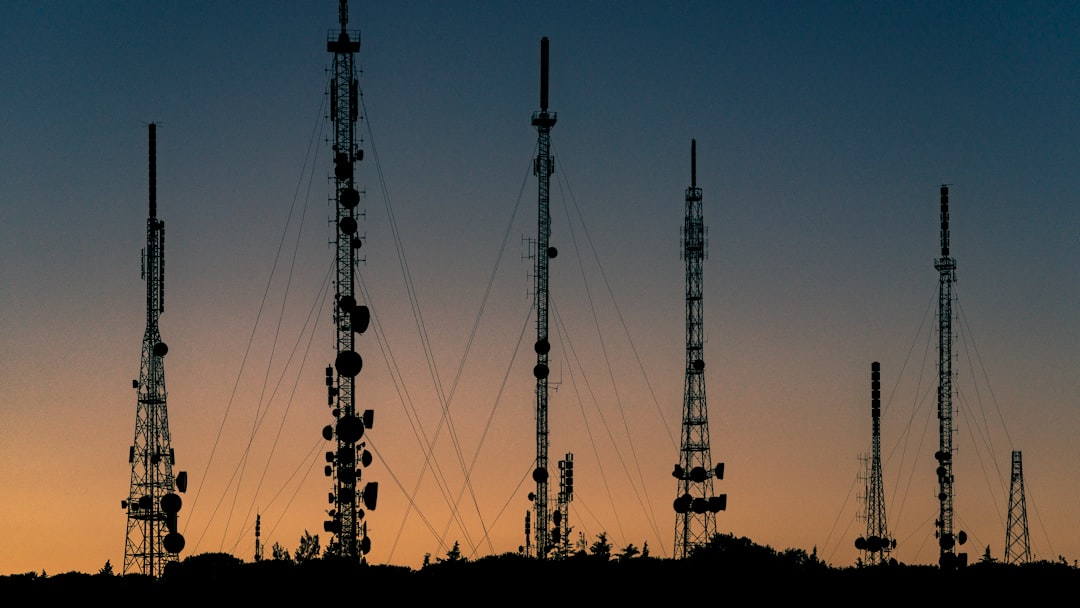
The ongoing developments surrounding the US ban on Chinese data center devices will shape the future of telecommunications.
However, this transition will not be without challenges. Companies may face initial disruptions as they shift their supply chains. Careful planning and execution will be necessary to minimize operational impacts. Telecommunications engineers will play a vital role in this process. They will ensure new systems integrate smoothly and address potential issues proactively. As the industry grapples with these changes, the ability to adapt quickly will be essential for maintaining a competitive edge.
 Industry & Global Trends
Europe’s Trade Tensions With China Are Coming to a Head
The European Union is preparing to implement tougher trade measures against China, which could significantly impact manufacturing costs and supply chain dynamics in the region.
Read More →As the telecommunications landscape evolves, companies that manage these supply chain shifts effectively will emerge as market leaders. The ability to adapt quickly to changing circumstances will be crucial. The ongoing developments surrounding the US ban on Chinese data center devices will shape the future of telecommunications. This situation presents both challenges and opportunities for companies and professionals alike.
As the US moves forward with its proposed ban on Chinese data center devices, the telecommunications sector will closely watch developments. Will this shift lead to a more resilient and innovative industry? Or will it create new challenges that companies must overcome? The answers may reshape the future of telecommunications in the US.
Frequently Asked Questions
What are the implications of the US ban on Chinese data center devices for telecommunications engineers?
The US ban on Chinese data center devices presents challenges and opportunities for telecommunications engineers. They will need to adapt to new technologies and suppliers while ensuring compliance with evolving regulations.
It will also help them bridge any skills gaps and remain competitive in the evolving market.
How can data center managers prepare for changes in device sourcing?
Data center managers should stay informed about regulatory changes. They must assess their existing infrastructures to ensure compliance. They should also evaluate new suppliers and technologies to maintain operational efficiency.
What should telecommunications engineers do about the emerging technologies in response to the US ban?
Telecommunications engineers should proactively seek training and resources. This will help them familiarize themselves with alternative data center technologies. It will also help them bridge any skills gaps and remain competitive in the evolving market.
Written by Career Ahead AI. AI can make mistakes, so verify key facts. Report errors to support@careeraheadonline.com.