No products in the cart.

EU FTA Boosts India’s Edge
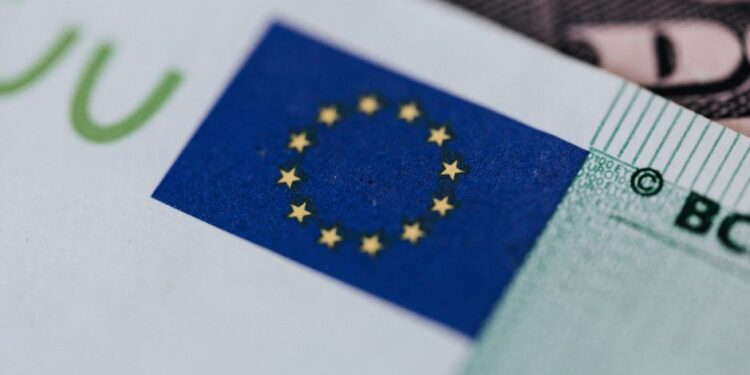
The FTA is a strategic move for India, particularly in light of the increasing competition from countries like Bangladesh and Vietnam, which have enjoyed preferential access to the EU market.

India and the European Union (EU) recently finalized a Free Trade Agreement (FTA). This agreement, signed on January 27, 2026, will greatly benefit Indian textile and footwear manufacturers. It allows India better access to the EU market, especially in labor-intensive sectors like textiles and footwear. The FTA will remove tariffs that previously hurt competitiveness, helping Indian manufacturers compete globally.
This agreement is a strategic move for India. It comes as competition grows from countries like Bangladesh and Vietnam, which already have better access to the EU market. Under the new FTA, Indian textile and apparel exporters will enjoy duty-free access, removing tariffs as high as 12%. This change will significantly boost India’s competitiveness, making it easier for manufacturers to enter the EU market. As noted by The Hindu, this agreement helps India compete fairly in labor-intensive sectors, which is vital for industry growth.
Market Access and Tariff Reductions: A Game Changer
With the EU FTA, Indian textile manufacturers will gain new market access. The removal of tariffs on textiles, apparel, and leather goods will make Indian products more competitive in the EU market. Career Ahead’s analysis shows this move is crucial for Indian exporters, as it levels the playing field against competitors with lower tariffs.
For example, countries like Turkey and Vietnam have had duty-free access to the EU. This has allowed them to capture significant market share in textiles. The FTA aims to give Indian manufacturers similar benefits. This shift is expected to increase exports and foster growth in the domestic textile industry, leading to job creation and capacity expansion in key manufacturing areas. Regions like Tamil Nadu, Gujarat, and Maharashtra, which have major textile production clusters, are likely to see direct investments aimed at boosting manufacturing capabilities and improving supply chain efficiencies.
Moreover, the FTA encourages collaboration between Indian manufacturers and European brands. This could lead to innovation in product design and production techniques. As Indian manufacturers align with European standards, they can improve their global competitiveness and attract a wider range of consumers. This collaboration is not just about transactions; it aims to deepen understanding of market trends and consumer preferences, which are crucial for long-term success in the EU market.
As demand for efficient supply chain management rises, this growth will positively impact the overall economy in these regions.
You may also like
 Industry & Global Trends
Fortis Healthcare Profit Climbs 2.3% to Rs 273 Crore
The rise in profit and revenue indicates a trend toward increased investment in healthcare infrastructure. Fortis Healthcare's leadership has emphasized their commitment to ongoing investments,…
Read More →Additionally, the FTA is expected to stimulate growth in related sectors like logistics and warehousing. As demand for efficient supply chain management rises, this growth will positively impact the overall economy in these regions. The Hindu also highlights that the FTA will create a stronger ecosystem for Indian manufacturers, allowing them to adopt technological advancements and best practices from Europe.
Strategic Partnerships and Innovation Opportunities
The EU FTA not only reduces tariffs but also opens doors for strategic partnerships between Indian manufacturers and European brands. By working with established EU companies, Indian textile and footwear producers can access advanced technologies and innovative practices. This collaboration is vital for staying competitive in a fast-changing global market.
European brands focus on sustainability and ethical manufacturing. Indian manufacturers can adopt these practices, which are increasingly important to consumers. By aligning with European standards, Indian companies can enhance their brand image and appeal to environmentally conscious consumers. Integrating sustainable practices is essential today, as consumers favor brands that prioritize environmental responsibility.
Furthermore, the FTA encourages knowledge transfer between Indian and European firms. This exchange can lead to new products and technologies that meet changing consumer preferences. As Indian manufacturers innovate and diversify their offerings, they can better position themselves globally. The footwear sector, in particular, stands to benefit from this agreement. With reduced tariffs on footwear exports, Indian manufacturers can increase their market share in the EU, a major market for footwear. This opportunity is crucial for Indian footwear producers, who can now compete more effectively against established brands from China and Vietnam.
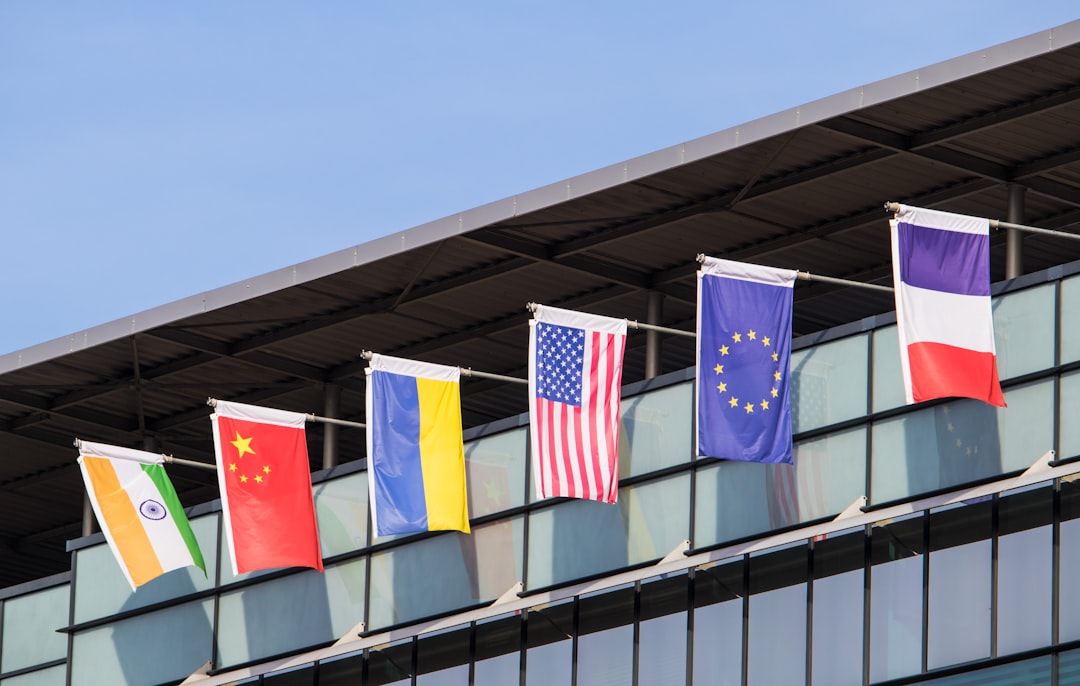
This opportunity is crucial for Indian footwear producers, who can now compete more effectively against established brands from China and Vietnam.
As Indian manufacturers embrace these opportunities, they must also build strong relationships with European partners. This strategic alignment will be essential for navigating international trade complexities and ensuring long-term success in the EU market. The potential for innovation and collaboration is vast, and the FTA acts as a catalyst for these developments, as noted by various industry analysts.
The broader economic implications of the EU FTA are significant for India. By boosting the competitiveness of the textile and footwear sectors, the agreement is expected to drive overall economic growth. Increased exports will lead to higher production levels, which can create jobs across various sectors. As Indian manufacturers expand to meet EU demand, there will likely be an increase in foreign direct investment (FDI). This influx of capital can enhance Indian manufacturers’ capabilities, allowing them to invest in technology and infrastructure improvements.
You may also like
 Industry & Global Trends
Graduate Migration Shifts US Labor Market Dynamics
The migration of college-educated workers is reshaping state economies, creating a divide in talent retention and workforce competitiveness across the U.S.
Read More →However, challenges remain. Indian manufacturers must adapt to EU regulations and standards, which can be strict. Ensuring compliance will require investments in quality control and supply chain management. Additionally, the competitive landscape will intensify as more players enter the market, necessitating continuous innovation and adaptation. Looking ahead, the success of the EU FTA will depend on how well Indian manufacturers can leverage the opportunities this agreement presents. Building strategic partnerships, innovating, and maintaining high standards will be crucial for sustained growth in the EU market.
The future of India’s textile and footwear industries looks promising, but it will require a concerted effort from manufacturers, policymakers, and stakeholders to fully realize the potential of the EU FTA. As the global market evolves, Indian manufacturers must remain agile and responsive to changes in consumer preferences and competitive dynamics.
Frequently Asked Questions
What are the benefits of the EU FTA for Indian textile manufacturers?
The EU FTA provides Indian textile manufacturers with duty-free access to the EU market. This removes tariffs that could be as high as 12%. It enhances their competitiveness against countries like Bangladesh and Vietnam, which previously enjoyed better access.
Compliance with EU regulations will also be crucial for success in this competitive market.
How can Indian footwear producers leverage the EU FTA?
Indian footwear producers can benefit from reduced tariffs on exports to the EU. This allows them to increase their market share in one of the largest footwear markets globally. Collaborating with European brands can also lead to innovation and improved manufacturing practices.

What strategies should textile manufacturers adopt to compete in the EU market?
Textile manufacturers should build strategic partnerships with European brands. They should adopt sustainable practices and invest in technology to improve product quality. Compliance with EU regulations will also be crucial for success in this competitive market.
You may also like
 Industry & Global Trends
Trent Profit Soars 21% to Rs 519 Crore, Revenue Rises 18%
The company's strategy of expanding its footprint not only enhances its market presence but also indicates a growing trend in retail that could significantly impact…
Read More →