No products in the cart.

Sally the Robot’s New York School Debut Canceled | Career Outlook
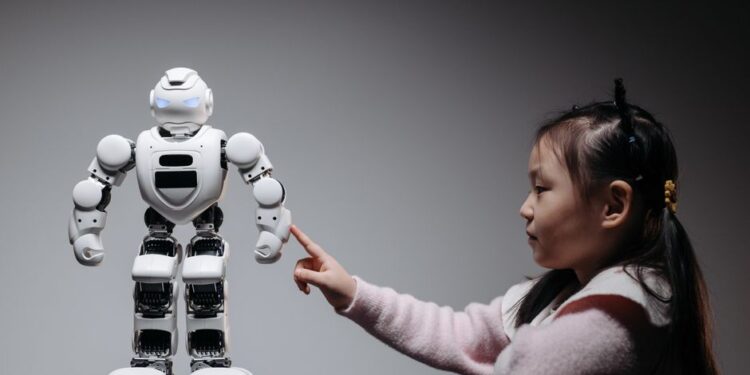
This incident underscores the complexities faced by educators and technology developers when introducing innovative tools in classrooms. Sally was designed with input from students, aiming to enhance learning experiences through interactive engagement. However, concerns about safety, ethics, and the role of AI in education led to widespread criticism,…

New York, USA — The deployment of Sally the Robot, an AI-powered educational tool designed to assist students, was abruptly canceled following public backlash. The decision, made just days before its planned introduction at a local school, has drawn significant attention to the challenges of integrating artificial intelligence in K-12 education.
This incident underscores the complexities faced by educators and technology developers when introducing innovative tools in classrooms. Sally was designed with input from students, aiming to enhance learning experiences through interactive engagement. However, concerns about safety, ethics, and the role of AI in education led to widespread criticism, ultimately resulting in the project’s cancellation.
Public Concerns Over AI in Education
The reaction to Sally the Robot’s cancellation reflects a broader skepticism about AI technologies in educational settings. Many parents and community members voiced fears regarding data privacy, the potential for job displacement among educators, and the implications of relying on machines for teaching. These concerns are not isolated; similar sentiments have been observed across various regions as schools increasingly consider adopting AI tools. For instance, a report from Career Ahead indicates that nearly 60% of parents express discomfort with AI systems making decisions about their children’s education, highlighting a significant gap in trust between technology developers and the communities they aim to serve.
Moreover, the backlash against Sally the Robot is not an isolated incident but part of a larger trend where educational institutions face scrutiny over their technology choices. In New Jersey, for example, schools have pulled beloved novels from English classes due to concerns about mental health crises among students, illustrating how public sentiment can influence educational content and tools. This growing unease emphasizes the need for educational institutions to engage more deeply with stakeholders, ensuring that concerns are addressed proactively rather than reactively.
In parallel, educators are also expressing apprehension about the implications of AI on teaching practices. Many teachers worry that introducing robots like Sally could undermine their authority and reduce the personal touch that is vital in education. This sentiment echoes findings from Career Ahead’s research, which highlights the importance of maintaining a human element in the learning process, especially in formative years. Teachers fear that the introduction of AI could lead to a depersonalized learning environment, where students might feel less connected to their educators.
In New Jersey, for example, schools have pulled beloved novels from English classes due to concerns about mental health crises among students, illustrating how public sentiment can influence educational content and tools.
You may also like
 AI & Technology
Apple’s AI Strategy Excluded from Trump’s Guest List
This absence is notable for several reasons. First, it highlights Apple's unique approach to AI compared to its competitors.
Read More →As schools navigate these complex dynamics, the challenge remains: how can they effectively integrate AI while addressing community concerns? The answer may lie in fostering transparent communication and involving parents and educators in the development and implementation phases of such technologies. Engaging with community members through forums and discussions can help demystify AI, allowing for a more informed public dialogue about its role in education.
Implications for Educators and Robotics Engineers
The cancellation of Sally the Robot serves as a crucial case study for educators and robotics engineers alike. It illustrates the necessity for a well-rounded approach to technology adoption in schools that considers not only the technical aspects but also the sociocultural context. Engineers designing educational AI must prioritize user-friendly interfaces and transparent functionalities that demystify the technology for both students and parents. This approach is essential in building trust and ensuring that the technology is embraced rather than resisted.
Furthermore, educators need to be equipped with the tools and knowledge to address concerns surrounding AI in the classroom. Training programs that focus on the ethical implications of AI, as well as best practices for integrating technology into curricula, can empower teachers to confidently engage with these innovations. Career Ahead’s analysis finds that schools that invest in comprehensive training for educators see a more successful integration of technology, leading to improved student outcomes. This investment in professional development is crucial as it prepares teachers to navigate the challenges posed by AI while enhancing their instructional practices.
Additionally, the incident highlights the importance of collaboration between educators, engineers, and policymakers. By establishing partnerships that facilitate dialogue and feedback, stakeholders can work together to create AI solutions that meet educational needs while alleviating community concerns. This collaborative approach could pave the way for future projects, ensuring that they are more widely accepted and beneficial. As seen in other successful technology implementations, such as those reported by Forbes, involving educators in the design process can lead to innovations that are not only technologically advanced but also socially acceptable.
By establishing partnerships that facilitate dialogue and feedback, stakeholders can work together to create AI solutions that meet educational needs while alleviating community concerns.
As robotics engineers continue to develop educational tools, they must also consider the feedback from various stakeholders. Incorporating input from teachers and parents during the design process can lead to innovations that are not only technologically advanced but also socially acceptable. This could help mitigate fears and build trust within communities. The experiences surrounding Sally the Robot will likely influence how educational technology is perceived and adopted in the future, as educators and technology developers learn from this incident.
Ultimately, the future of robotics in education hinges on how effectively the sector addresses the concerns raised by incidents like the cancellation of Sally the Robot. As schools increasingly turn to technology for enhanced learning experiences, they must also navigate public sentiment and regulatory scrutiny. The current backlash could signal a need for a more cautious approach to AI deployment in schools.
You may also like
 AI & Technology
Feds Cook sees AI inflationary push as a top 2027 risk
Federal Reserve Governor Lisa Cook highlights AI as a significant inflationary risk for 2027, emphasizing the potential for persistent supply shocks and the need for…
Read More →Looking ahead, educational institutions might prioritize pilot programs that allow for controlled testing of AI tools before full-scale implementation. These pilot programs could serve as valuable opportunities for schools to assess the effectiveness of technology while gathering feedback from students and parents. Such strategies could help build trust and demonstrate the educational benefits of AI in a tangible way.
Moreover, as public awareness of AI grows, so does the potential for informed discussions about its role in education. Schools can leverage these conversations to educate communities about the benefits of AI, addressing misconceptions and highlighting success stories from other institutions that have successfully integrated technology. As the landscape of education continues to evolve, the question remains: how will schools balance the integration of advanced technologies with the need for community trust and acceptance?
Frequently Asked Questions
How can K-12 educators address community concerns about AI in schools?
K-12 educators can address community concerns by fostering open communication and engaging parents in discussions about AI technologies. Providing transparent information about how AI tools will be used in classrooms can help alleviate fears and build trust.
Engaging stakeholders throughout the design process can lead to more effective and accepted educational tools.
What are the best practices for robotics engineers when designing educational AI?
Robotics engineers should prioritize user-friendly designs that incorporate feedback from educators and parents. Engaging stakeholders throughout the design process can lead to more effective and accepted educational tools.
What should education policymakers consider when evaluating AI technology in classrooms?
Education policymakers should consider the ethical implications of AI, community sentiment, and the potential impact on teaching practices. Engaging with educators and parents during the evaluation process can ensure that policies align with community needs.
You may also like
 AI & Technology
Amazon Invests $1 Billion Amid AI Data Center Criticism
This significant financial commitment comes as Amazon faces increasing scrutiny over the environmental impact of its AI operations.
Read More →