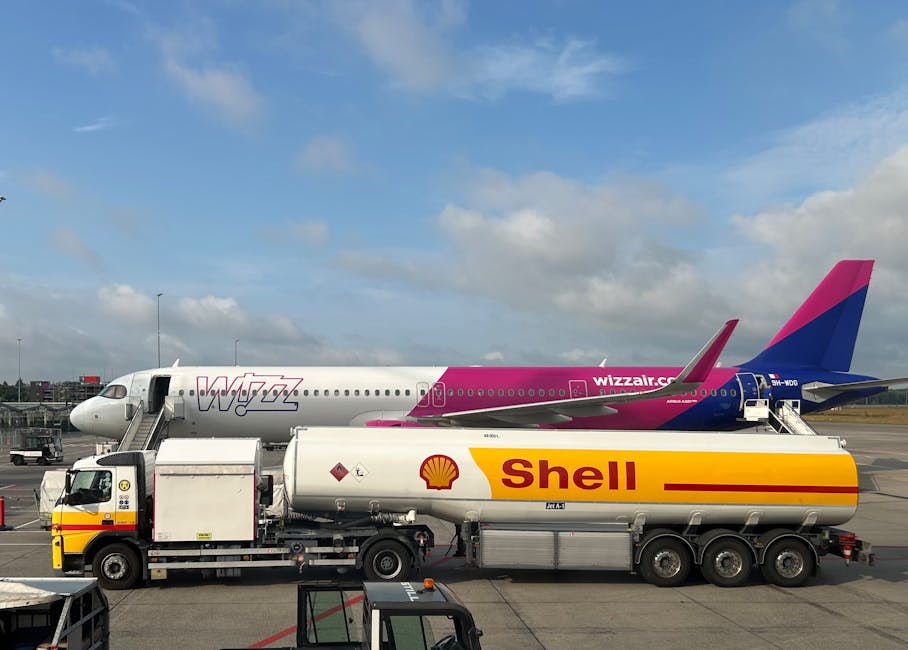
Europe is facing a looming jet fuel crisis. The head of the International Energy Agency (IEA), Fatih Birol, has warned that the continent has only about six weeks of jet fuel left. This alarming prediction comes as the ongoing conflict in Iran disrupts oil supplies crucial for aviation. If the situation does not improve, flight cancellations may occur soon, affecting travelers and the economy.
Birol’s warning highlights the severity of the energy crisis Europe is currently experiencing. He stated that the closure of the Strait of Hormuz, a vital shipping route for oil, has contributed to this dire situation. The conflict in Iran has led to significant disruptions in oil supplies, which are expected to have cascading effects across various sectors. According to a report by The Guardian, the potential for flight cancellations looms large, with airlines already feeling the pressure from rising fuel costs.
Immediate Effects on Travel and Economy
The immediate implications of the jet fuel shortage are profound. Airlines may be forced to cancel flights, impacting not just travel plans but also the broader economy. The cost of jet fuel has already risen sharply, with budget airline easyJet reporting a £25 million increase in fuel costs over the past month alone. This surge in expenses is expected to lead to higher ticket prices and reduced profits for airlines. The BBC News reported that if the Strait of Hormuz remains blocked, Europe will face escalating fuel prices, which could further exacerbate the crisis.
Birol noted, “We will hear the news that some of the flights from city A to city B might be canceled as a result of lack of jet fuel.” This warning underscores the urgency of the situation and the potential for significant disruption in air travel. Moreover, the economic ramifications extend beyond the airline industry. Higher fuel prices can lead to increased costs for goods and services, contributing to inflationary pressures across Europe. The interconnected nature of the global economy means that disruptions in one region can have ripple effects worldwide.
He stated that the closure of the Strait of Hormuz, a vital shipping route for oil, has contributed to this dire situation.
Long-Term Challenges for Energy Security
 Government & Policy
UK Chancellor Healey Faces Budget Test Amid Economic Pressures
UK growth has beaten forecasts, while inflation and defence costs add pressure to public spending plans.
Read More →The jet fuel crisis in Europe is not just a short-term issue; it poses long-term challenges for the region’s energy security. The ongoing conflict in Iran has highlighted vulnerabilities in the global energy supply chain. As countries scramble to secure alternative sources of fuel, the need for diversification in energy supplies becomes increasingly clear. The International Monetary Fund (IMF) has warned that the disruptions caused by the Iran conflict will have lasting effects. IMF chief Kristalina Georgieva emphasized that even if the war ends, the repercussions on global supply chains will persist. This sentiment aligns with Birol’s warning about the potential for ongoing challenges in securing reliable energy supplies.
As Europe grapples with these issues, the focus on renewable energy sources may intensify. The current crisis could accelerate efforts to transition away from fossil fuels and towards more sustainable energy solutions. However, this transition will require significant investment and commitment from both governments and the private sector. The urgency of addressing the jet fuel shortage cannot be overstated. Countries and companies must work together to find solutions that ensure energy security and stability in the face of ongoing geopolitical challenges.

Implications for Consumers and Businesses
The jet fuel crisis in Europe affects everyone, from travelers to businesses. As airlines face potential cancellations and rising costs, consumers may experience higher ticket prices and fewer options when planning travel. The broader economic implications could also impact everyday expenses, making it crucial to stay informed about developments in this ongoing situation. The Bloomberg report highlights how the crisis could lead to a reevaluation of energy policies across Europe, emphasizing the need for a more resilient energy infrastructure.
As stakeholders navigate this crisis, the importance of energy security and diversification becomes increasingly apparent. The actions taken now will shape the future of energy supply and economic stability in Europe and beyond. The question remains: How will Europe adapt to these challenges, and what measures will be implemented to ensure energy security in the face of ongoing geopolitical tensions? The answers to these questions will be critical in determining the region’s resilience in the months to come.
Written by Career Ahead AI. AI can make mistakes, so verify key facts. Report errors to support@careeraheadonline.com.