
Brussels, Belgium — Europe is grappling with a staggering €1 trillion challenge in its defense acquisition systems. Current frameworks are proving ineffective against an unpredictable geopolitical landscape. As tensions rise, the need for fundamental reforms to enhance flexibility and scalability becomes urgent. This transformation is not just a matter of defense; it has significant implications for job markets, technology investments, and the economic landscape across member states.
The european defense sector has long relied on traditional procurement methods that are slow and cumbersome. According to a recent report from McKinsey, the existing systems are not equipped to respond quickly to emerging threats, leading to delays in deploying critical capabilities. Analysts suggest that reforming these systems could be crucial for Europe to improve its responsiveness in the face of crises.
Furthermore, the war in Ukraine has underscored the importance of a robust and agile defense posture. European nations are now more aware than ever of their reliance on external partners for security. As a result, there is a renewed focus on developing indigenous capabilities that can be mobilized rapidly. This shift is not just about military readiness; it is also about creating jobs and fostering innovation within the continent.
Why Europe Must Embrace Flexibility in Defense
The necessity for flexibility in defense acquisition is underscored by the rapidly changing geopolitical environment. Traditional procurement methods are often lengthy, involving multiple layers of bureaucracy that hinder timely decision-making. A report from Euronews highlights that Europe’s digital backbone must be ready to support the AI supercycle, which is critical for modern defense strategies. This means investing in technologies that allow for faster data processing and decision-making.
A report from Euronews highlights that Europe’s digital backbone must be ready to support the AI supercycle, which is critical for modern defense strategies.
Moreover, the concept of flexibility extends beyond just technological advancements. It involves rethinking how defense contracts are structured. For instance, adopting more agile contracting practices can enable quicker responses to changing needs. This approach not only enhances operational efficiency but also encourages innovation from smaller defense contractors, who may be more nimble in developing new solutions.
As the European Union (EU) pushes for a more unified defense strategy, member states are beginning to collaborate on procurement processes. This collaboration can lead to economies of scale, reducing costs while enhancing capabilities. However, this requires a shift in mindset from individual national interests to collective security goals.
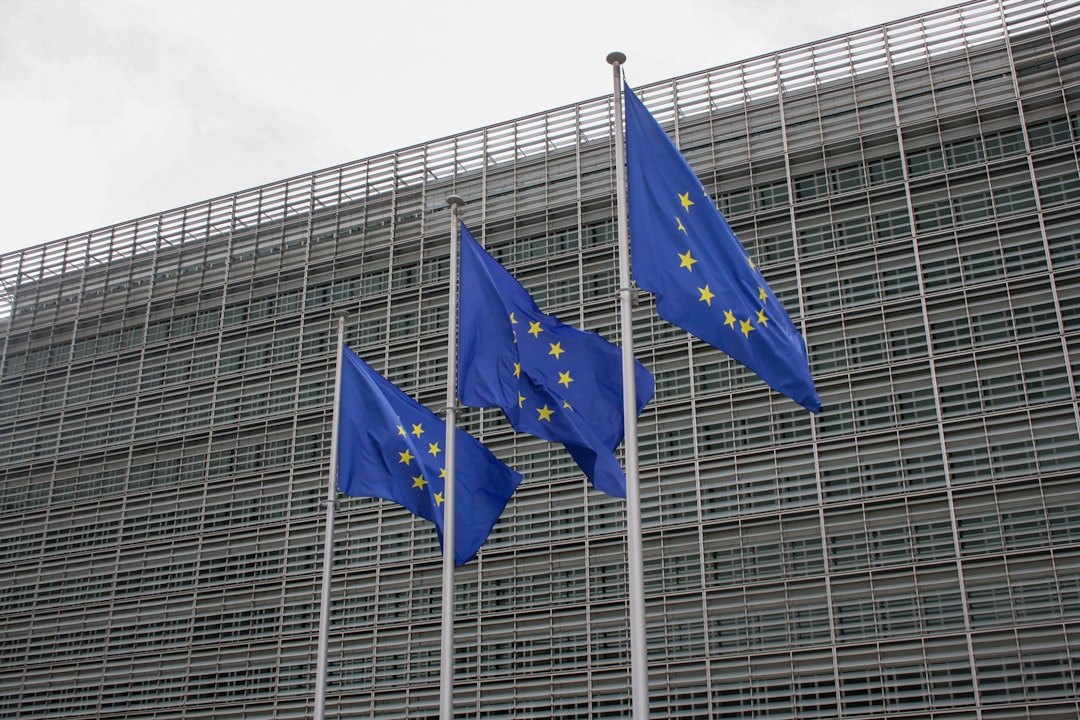
The Economic Implications of Defense Reforms
Reforming defense acquisition systems is not just about military strategy; it has profound economic implications. The National Interest notes that Europe’s path to defense independence is fraught with challenges, including budgetary constraints and varying national priorities. However, investing in a more flexible and scalable defense structure can yield significant economic benefits.
For job seekers, this means new opportunities in sectors related to defense technology and cybersecurity. As Europe invests in its defense capabilities, there will be a growing demand for skilled workers in these fields. According to a report by PubAffairs Bruxelles, the defense sector could become a major driver of economic growth, creating thousands of jobs across the continent.

Additionally, the emphasis on innovation and technology in defense spending can lead to advancements that spill over into civilian sectors. For example, technologies developed for military applications often find uses in commercial products, enhancing productivity and efficiency across various industries.
As Europe invests in its defense capabilities, there will be a growing demand for skilled workers in these fields.
Steps to Position Yourself in the Evolving Job Market
- Upskill in Technology: Consider taking courses in artificial intelligence, data analytics, or cybersecurity. These skills are increasingly valuable in the defense sector and beyond.
- Networking Opportunities: Attend industry conferences and seminars focused on defense and technology. Building connections can lead to job opportunities and collaborations.
- Stay Informed: Keep abreast of changes in defense policies and procurement processes in Europe. Understanding the landscape can help you position yourself as a knowledgeable candidate.
- Engage with Startups: Many innovative solutions are emerging from startups in the defense space. Engage with these companies for potential job opportunities or partnerships.
However, some experts caution that while the push for flexibility is essential, it may not be sustainable in the long term. A recent article from Semafor suggests that Europe’s self-reliance in defense could lead to increased tensions among member states, particularly as countries vie for limited resources and funding. This could create a fragmented defense landscape, undermining the very goals of unity and collaboration that the EU aims to achieve.
Anticipating the Future of European Defense
The future of defense in Europe hinges on how effectively the continent can adapt to these challenges. As nations invest in more flexible and scalable systems, the landscape of defense procurement will likely evolve significantly.
Written by Career Ahead AI. AI can make mistakes, so verify key facts. Report errors to support@careeraheadonline.com.