No products in the cart.

Europe's Heat Wave Disrupts Key River Shipping Route
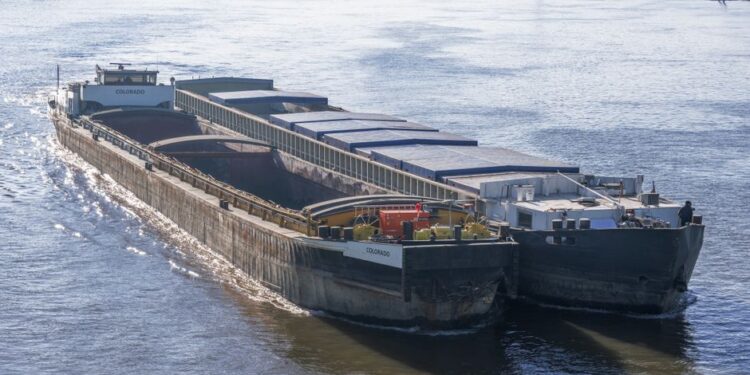
The heat wave has led to record-high temperatures, causing low water levels in major rivers such as the Rhine and Danube.

Europe is facing a severe heat wave that disrupts river shipping routes. This situation affects logistics operations across the continent. Companies that rely on these waterways are experiencing delays and increased costs. As water levels drop, shipping schedules are in disarray, impacting supply chains that depend on efficient river transport.
The heat wave has caused record-high temperatures, leading to low water levels in major rivers like the Rhine and Danube. These rivers are crucial for transporting goods. Reduced water levels mean shipping companies face restrictions on how much cargo they can carry. This creates a ripple effect in logistics, making it hard for many companies to meet delivery schedules. A report by Reuters states that severe weather patterns are complicating the logistics landscape even more.
Shipping Delays and Increased Costs
As the heat wave continues, logistics managers report significant shipping delays. Career Ahead’s analysis shows that shipping times have increased by up to 30% in some areas. This is due to the need to reduce cargo loads to prevent vessels from running aground in shallow waters. Logistics managers are under pressure to find alternative solutions to keep supply chains moving.
Additionally, logistics costs are rising. With fewer goods transported per trip, companies must raise shipping rates to stay profitable. Career Ahead research indicates that logistics costs could increase by as much as 15% in the coming months if the heat wave continues. This rise poses a challenge for businesses, especially small and medium-sized enterprises that operate on thin margins. The Economic Times reports that these rising costs are worsened by extra fees for rerouting shipments, straining budgets further.
Career Ahead research indicates that logistics costs could increase by as much as 15% in the coming months if the heat wave continues.
You may also like
 Industry & Global Trends
Global Compliance Burden Drives Hidden Corporate Costs
The Thomson Reuters 2026 compliance outlook warns that technology‑driven enforcement is reshaping.
Read More →Companies are also facing challenges in finding alternative transport routes. Many logistics managers are exploring road or rail transport. However, these options come with their own challenges. Road transport is often less efficient and more expensive. Rail networks may not be ready to handle the increased demand. Logistics Insider highlights how these disruptions are forcing a reevaluation of traditional logistics strategies.
As a result, logistics managers must act quickly to adapt their strategies. Career Ahead’s analysis finds that those who can mix transportation methods will be better positioned to handle the heat wave’s impact. However, careful planning and investment are required, which may not be possible for all companies. This crisis highlights the need for flexibility in logistics planning to prepare for unexpected disruptions.
Alternative Transport Routes and Long-Term Implications
Due to river shipping disruptions, logistics managers are actively seeking alternative routes. Some are turning to rail networks, which can carry larger volumes of goods, even if they are slower. Others are considering expanding road transport, despite the higher costs. This shift shows the need for a more adaptable logistics framework to respond to environmental changes.
By working together, they can create strategies that address current challenges and prepare for future disruptions.
Career Ahead’s review suggests that the current situation is not just a temporary issue. The frequency of extreme weather events, like heat waves, is expected to rise due to climate change. Therefore, logistics managers must include climate resilience in their planning. This could mean investing in flexible supply chain solutions that allow for quick adjustments to changing conditions. The long-term viability of river transport is increasingly uncertain, as noted by Security Affairs, which points out that cyberattacks and environmental factors complicate logistics challenges.
Moreover, the heat wave’s impact goes beyond immediate logistics issues. It raises questions about the long-term viability of river transport in Europe as climate change progresses. If extreme weather becomes the norm, the reliance on river shipping may need reevaluation. Companies may need to diversify their logistics strategies to reduce risks from environmental factors. This could involve partnerships with firms specializing in alternative transport solutions or investing in technology to enhance efficiency.
You may also like
 Industry & Global Trends
Surveyors Turn Most Downbeat on London House Prices Since 2023
Surveyors in London report the most significant decline in sentiment regarding house prices since 2023, indicating a shift in market dynamics that could impact real…
Read More →
In this context, collaboration among logistics managers, policymakers, and environmental experts is crucial. By working together, they can create strategies that address current challenges and prepare for future disruptions. This proactive approach is vital for maintaining efficient and reliable logistics operations amid climate change.
Ultimately, the ongoing heat wave highlights the vulnerability of river transport to climate change. Logistics managers must stay vigilant and adaptable as the shipping landscape evolves due to environmental factors. The ability to pivot quickly and implement adaptive strategies will be key to maintaining a competitive edge in an unpredictable environment.
As the heat wave continues to impact river shipping, one question remains: how will logistics managers respond to the growing challenges of climate change, and what innovative solutions will emerge from this crisis?
Career Ahead analysis shows that diversifying transport methods and investing in technology for better environmental tracking can help reduce delays caused by river shipping disruptions.
Frequently Asked Questions
What are the alternative shipping routes during the heat wave?
Logistics managers are exploring rail and road transport as alternatives to river shipping. While these methods can carry larger volumes, they come with higher costs and potential delays.
How can logistics managers mitigate shipping delays?
Career Ahead analysis shows that diversifying transport methods and investing in technology for better environmental tracking can help reduce delays caused by river shipping disruptions.

What impact does climate change have on river transport operations?
Climate change increases the frequency of extreme weather events, disrupting river transport operations. Logistics managers must adapt their strategies to address these environmental risks.
You may also like
 Industry & Global Trends
How Twitch Streamers Can Protect Their Content
Twitch streamers can now block Amazon from using their content for AI training, empowering creators to protect their intellectual property. This change reflects a growing…
Read More →