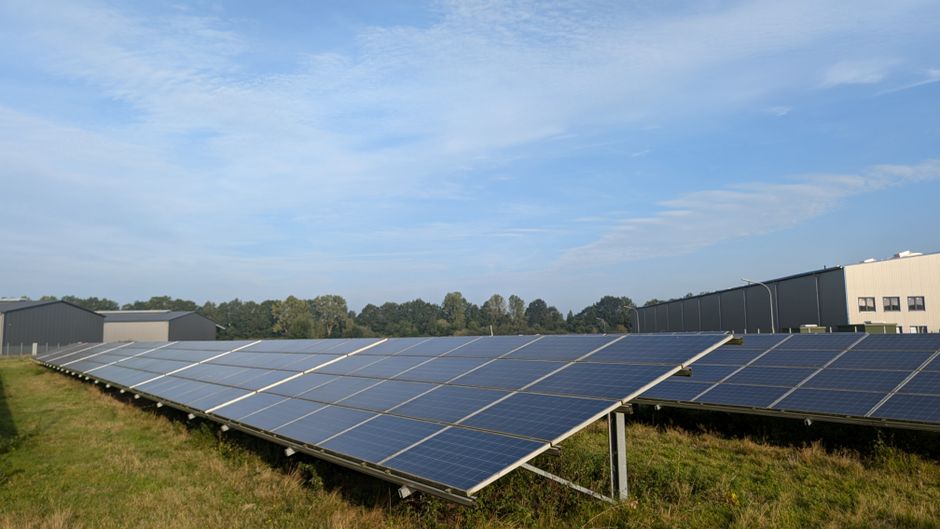
Europe's solar energy sector is booming, but a critical gap in energy storage technology threatens to slow its growth. As demand for solar energy rises, renewable energy engineers and energy storage specialists must innovate to meet this challenge. The future of solar initiatives in Europe depends on overcoming these storage hurdles.
Europe is seeing a big rise in solar energy deployment. By 2026, installed capacity is expected to increase by 25%. However, this growth comes with a major challenge: a lack of adequate energy storage solutions. As renewable energy engineers and energy storage specialists work to solve this issue, the future of solar initiatives in the region is uncertain.
This situation is urgent due to the rising demand for renewable energy sources in Europe. Governments are pushing for carbon neutrality and sustainable energy. Solar energy is a key player in this shift. However, solar power’s intermittent nature makes effective energy storage crucial for a consistent energy supply. Without it, many European nations may not meet their ambitious goals.
Current Energy Storage Solutions and Their Limitations
Currently, lithium-ion batteries dominate the energy storage market, making up about 90% of installed capacity. These batteries are popular due to their efficiency and decreasing costs. However, they have significant limitations. For instance, lithium-ion batteries typically last only 10-15 years before needing replacement. This creates a financial burden for solar project developers.
Additionally, lithium-ion batteries are not ideal for long-term energy storage. Their capacity decreases when used for long periods, leading to inefficiencies. As a result, renewable energy engineers are looking for alternative storage technologies. Options like flow batteries and solid-state batteries are gaining attention but are still in early development stages and not commercially viable yet.
According to worldatlas.com, Europe has ambitious plans to boost its solar capacity, with countries like Germany and Spain leading the way. However, current storage solutions cannot support this growth. For example, Spain’s solar energy production often exceeds demand during peak hours, leading to waste. Without effective storage, this surplus energy cannot be used later, undermining solar energy’s potential benefits.
Career Ahead’s analysis shows that this gap in energy storage technology could slow the expansion of solar energy initiatives in Europe. As project timelines extend due to storage issues, the financial viability of solar projects may be questioned. Investors may hesitate to fund projects lacking reliable energy storage solutions, complicating the landscape for renewable energy engineers and energy storage specialists.
However, current storage solutions cannot support this growth.
The return to pre-war export levels is crucial as it indicates a stabilization in the oil market. Producers and shipping industries have adapted by employing…
Innovative Technologies to Enhance Storage Capacity
To tackle the energy storage problem, innovative technologies are emerging. One promising area is the development of next-generation battery technologies. Researchers are looking into sodium-ion batteries as an alternative to lithium-ion. Sodium is more abundant and cheaper than lithium, which could lower costs and improve sustainability in energy storage.
Another focus is integrating solar energy systems with other renewable sources like wind and hydro. By creating a diverse energy mix, reliance on a single energy source is reduced. This can lessen the impact of storage limitations. For instance, Denmark has successfully combined wind and solar energy, providing a more stable energy supply and reducing the need for extensive storage solutions.
Geoguessr.com highlights that countries with a diverse energy portfolio are better positioned to meet their renewable energy goals. As energy storage technologies evolve, renewable energy engineers must adapt their strategies. This may involve rethinking project designs and exploring partnerships with technology developers to implement advanced storage solutions.
Furthermore, government policies are crucial in promoting innovation in energy storage technologies. Incentives for research and development, along with subsidies for new technologies, can speed up the deployment of new storage solutions. Policymakers must recognize the importance of energy storage in reaching renewable energy targets and create an environment that fosters innovation.
Incentives for research and development, along with subsidies for new technologies, can speed up the deployment of new storage solutions.
Impact on Project Timelines and Future Prospects
The challenges of energy storage are already affecting project timelines for solar energy initiatives in Europe. Delays in securing reliable storage solutions can increase costs and extend project durations. As a result, renewable energy engineers must navigate a complex landscape where technological advancements and market demands intersect.
Career Ahead research finds that uncertainty around energy storage solutions could deter potential investors. Financial backers are increasingly cautious about committing to projects with unclear storage strategies. This hesitation can stall solar energy initiatives, ultimately impacting the broader renewable energy landscape.
A US national has been charged with illegally exporting Nvidia chips to China, raising significant compliance and legal concerns in the semiconductor industry.
In the coming years, as demand for solar energy grows, the pressure on energy storage solutions will increase. Renewable energy engineers and energy storage specialists must stay proactive in addressing these challenges. Collaboration among industry stakeholders, including technology developers and policymakers, will be essential in creating a strong energy storage framework.
As Europe works to meet its renewable energy targets, the question remains: can innovative energy storage solutions keep up with the rapid growth of solar energy? The answer will significantly affect the future of solar initiatives and the broader shift to sustainable energy in the region.
Understanding the limitations of current technologies and anticipating future developments will be crucial for ensuring project success.
Frequently Asked Questions
What are the best energy storage technologies for solar energy?
Career Ahead’s analysis shows that lithium-ion batteries currently dominate the energy storage market. However, alternatives like sodium-ion and flow batteries are emerging as potential solutions. Each technology has its advantages and limitations that must be considered for solar energy deployment.
How can energy storage specialists address the storage problem in Europe?
Energy storage specialists can focus on developing innovative technologies and collaborating with renewable energy engineers. By exploring new materials and approaches, they can enhance the efficiency and sustainability of energy storage systems.
What should renewable energy engineers consider when planning solar projects?
Renewable energy engineers must consider the availability and reliability of energy storage solutions when designing solar projects. Understanding the limitations of current technologies and anticipating future developments will be crucial for ensuring project success.




Industry & Global Trends
 Industry & Global Trends