No products in the cart.

Evaluating Europe’s Conservation Targets and Policies | Career Outlook
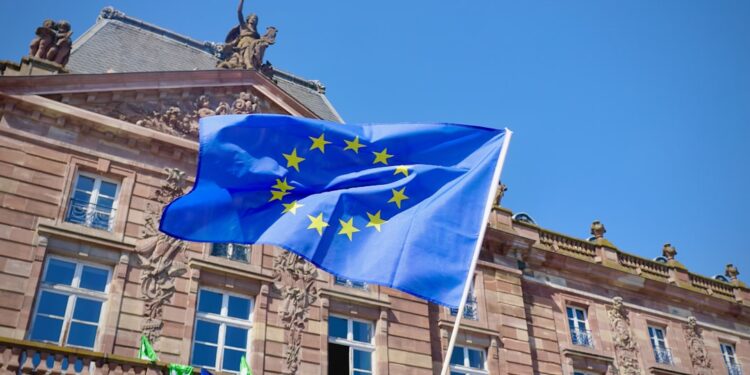
This article examines the impact of Europe's conservation targets and policies, exploring their effectiveness and implications for biodiversity.

Conservation in Europe: A Crucial Focus
Europe’s ambitious conservation targets aim to protect its rich biodiversity. The European Union (EU) has set significant goals for land protection and ecosystem restoration. Yet, the effectiveness of these policies is under scrutiny. How well are they really working?
The stakes are high. As Europe grapples with climate change, understanding the impact of these conservation policies becomes essential. This analysis dives deep into the effectiveness of the EU’s conservation efforts.
Evaluating Conservation Success
Measuring the success of conservation policies requires clear metrics. The EU aims to cover 30% of its land area by 2030, reflecting a commitment to biodiversity. However, mere coverage does not guarantee ecological success.
Effective measurement is key. Projects must align with stakeholder expectations and contribute positively to society. This means not just setting targets but also assessing their real-world effects on biodiversity and ecosystem health.
Furthermore, the challenge lies in translating policy goals into actionable outcomes. Policymakers must ensure that conservation efforts genuinely improve biodiversity, rather than merely meeting numerical targets.
Insights from Data on Policy Impact Data plays a vital role in assessing the effectiveness of conservation policies.
Insights from Data on Policy Impact
Data plays a vital role in assessing the effectiveness of conservation policies. Recent studies indicate that while land protection coverage has increased, biodiversity indicators show mixed results. For instance, some species continue to decline despite the establishment of protected areas.
Effective impact measurement frameworks are essential for understanding these dynamics. They help identify which policies work and which do not, allowing for adjustments and improvements in conservation strategies.
Moreover, integrating local knowledge and scientific research can enhance policy effectiveness. Engaging local communities in conservation efforts may lead to better outcomes, as their insights can inform strategies that are more aligned with ecological realities.
Addressing Contradictions in Conservation Efforts
Despite progress, contradictions remain. Critics have raised concerns that the EU’s policies may sometimes prioritize economic interests over ecological needs. This tension raises questions about the true intent behind conservation measures.
Finding common ground in these discussions is essential for the future of conservation in Europe.
For example, while land is being protected, development pressures continue in other areas, leading to a paradox where conservation efforts may not yield overall biodiversity gains. Effective participatory impact measurement is crucial for addressing these contradictions. Engaging stakeholders can ensure that conservation policies reflect ecological realities.
Debates persist on the balance between economic development and environmental protection. Some argue that stricter regulations hinder growth, while others contend that sustainable practices can drive economic resilience. Finding common ground in these discussions is essential for the future of conservation in Europe.
You may also like
 Entrepreneurship & Business
Marico Boosts Plix Stake to 84.09%; Q2 Revenue Surge Ahead
Marico has increased its stake in Satiya Nutraceuticals to 84.09%, a strategic move expected to enhance revenue growth amid rising consumer demand for health-focused products.…
Read More →Innovative Approaches for Future Conservation
The future of Europe’s conservation policies may depend on adaptability and innovation. Policymakers should embrace a dynamic approach that incorporates new data and stakeholder feedback to ensure that conservation efforts remain relevant and effective.
Additionally, fostering collaboration among countries can enhance the impact of conservation initiatives. Shared goals and resources can lead to more comprehensive strategies that transcend national borders. As biodiversity loss continues to be a pressing global issue, collective action is essential.
Furthermore, the integration of technology in monitoring and measuring biodiversity could provide valuable insights. Advances in remote sensing and data analytics may help track progress and identify areas needing attention, significantly enhancing the effectiveness of conservation policies.
Engaging with data-driven decision-making and stakeholder collaboration will be key skills for future professionals.
Career Opportunities in Environmental Policy
For young professionals, understanding the complexities of environmental policy is crucial. Careers in this field require a blend of analytical skills and a passion for sustainability. As the demand for effective conservation strategies grows, opportunities in environmental policy will expand.
Engaging with data-driven decision-making and stakeholder collaboration will be key skills for future professionals. Those who can navigate the intricate landscape of conservation policies will play a vital role in shaping a sustainable future.