No products in the cart.

China Forces Meta to Unwind AI Start-Up Acquisition
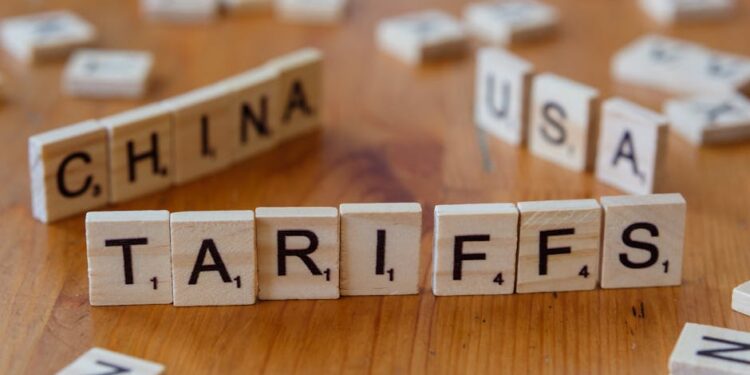
China has mandated that Meta Platforms Inc. divest its $2 billion acquisition of Manus, an artificial intelligence start-up, marking a significant setback for the company amid growing geopolitical tensions in the tech industry.


China’s Mandate on Meta’s Acquisition
China has mandated that Meta Platforms Inc. divest its $2 billion acquisition of Manus, an artificial intelligence start-up. This decision follows a lengthy review process by Chinese regulators, who deemed the acquisition a threat to national security and competition. The Chinese government expressed concerns that the deal could lead to the transfer of sensitive technology.
This ruling represents a significant setback for Meta, which has been aggressively pursuing AI advancements to compete with other tech giants. The acquisition of Manus was intended to bolster Meta’s capabilities in AI research and development. However, the Chinese government’s stance reflects its increasing vigilance over foreign investments in its tech sector.
Overview of the Acquisition
Meta’s acquisition of Manus was announced in early 2026, aiming to enhance its AI capabilities. Founded by a team of experts in machine learning, Manus had been making waves in the industry with its innovative solutions. The deal was seen as a strategic move for Meta to integrate advanced AI technologies into its platforms.
However, the acquisition faced scrutiny almost immediately from various stakeholders, including government officials and industry analysts. Critics argued that such a merger could lead to monopolistic practices and stifle competition in the burgeoning AI sector, prompting a comprehensive review by Chinese regulators.
This could slow down Meta’s progress in AI development, giving competitors an opportunity to seize market share.
Consequences for Meta and the Tech Industry
The decision to block the acquisition has significant implications for Meta. The company must now find alternative ways to innovate and enhance its AI capabilities without the resources that Manus would have provided. This could slow down Meta’s progress in AI development, giving competitors an opportunity to seize market share.
Moreover, the ruling could set a precedent for future foreign acquisitions in China. As more companies look to enter the Chinese market, they may face similar challenges, leading to a reevaluation of investment strategies by foreign firms considering acquisitions in China.
Expert Opinions on the Ruling
Industry experts have weighed in on the implications of China’s decision. Many see it as a clear signal of the country’s intent to protect its domestic tech industry. Analysts believe that this move could lead to increased nationalism in tech, with countries favoring local firms over foreign competitors.
Some experts argue that this could push Meta to invest more heavily in domestic AI research and development. By focusing on building in-house capabilities, Meta may mitigate the risks associated with foreign acquisitions. However, others caution that such a strategy may not be sufficient to keep pace with rapidly evolving AI technologies.
Shifts in Global AI Regulation
You may also like
 AI & Technology
Data‑Driven Raise Negotiations Redefine Career Capital
Aiming for a 6%–17% increase positions the request well above the 3.1% average merit increase.
Read More →The ruling against Meta is part of a larger trend of increasing regulation in the AI sector. Governments worldwide are grappling with the implications of AI technology on privacy, security, and economic stability. As countries implement stricter regulations, companies will need to navigate these complexities carefully.
Moreover, the ruling could set a precedent for future foreign acquisitions in China.
In the U.S., there is a growing call for regulatory measures that address AI ethics and accountability. This push for regulation may influence how companies like Meta approach their AI strategies. Understanding and complying with local regulations will be crucial as they seek to expand globally.