No products in the cart.

Even Elite Colleges Have Become Trade Schools
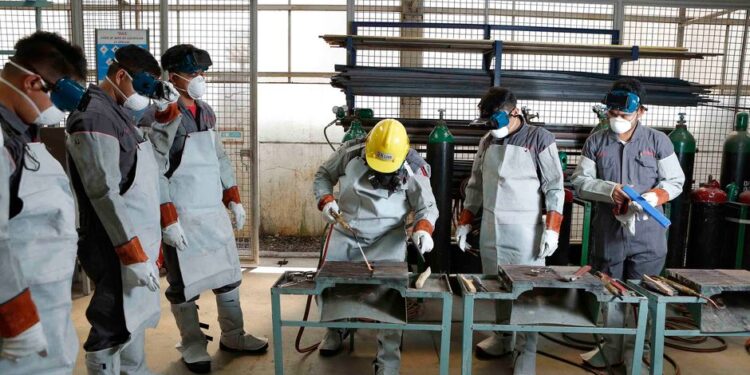
As reported by Career Ahead, elite institutions are recognizing the need to adapt their programs to meet the demands of employers.

India — Elite colleges across the country are increasingly focusing on vocational training and job-ready skills. This change aims to prepare students for the evolving job market. Practical skills are now more valuable than traditional academic knowledge. The trend is clear in the latest admissions data and curriculum updates from institutions like Tamil Nadu Government Arts and Science Colleges and the National Institute of Open Schooling.
As reported by Career Ahead, elite institutions recognize the need to adapt their programs to meet employer demands. This shift responds to economic pressures and reflects a broader change in education perception. The emphasis on job readiness is reshaping the landscape for liberal arts and business graduates, who must now consider the practical implications of their education.
Shifting Perceptions of Education Value
The perception of education is changing dramatically. Traditionally, a degree from an elite college was a golden ticket to a successful career. However, recent trends show that employers now prioritize skills and experience over prestigious degrees. This shift is especially significant for liberal arts graduates, who may compete against candidates with more vocational training.
According to the Tamil Nadu Government Arts and Science Colleges, skill-based courses have led to a significant increase in student enrollment, reflecting the growing importance of vocational education.
Career Ahead’s analysis shows that many elite institutions are integrating vocational training into their curricula. For instance, Tamil Nadu Government Arts and Science Colleges now offer programs focusing on practical skills and job readiness. This approach aims to equip students with the competencies needed to thrive in a competitive job market. According to the Tamil Nadu Government Arts and Science Colleges, skill-based courses have led to a significant increase in student enrollment, reflecting the growing importance of vocational education.
Moreover, the National Institute of Open Schooling has recognized this trend. They offer vocational education programs that meet the needs of students seeking immediate employment. This move highlights that traditional academic paths may not fully prepare graduates for the job market. The National Institute of Open Schooling reports that their vocational courses help students secure jobs shortly after graduation, emphasizing the practical application of learned skills.
As a result, business students are reassessing the return on investment (ROI) of their degrees. Many question whether the high cost of elite education justifies the potential outcomes. With job markets becoming more competitive, graduates are viewing their education through a pragmatic lens. They focus on the skills that enhance employability. This shift prompts students to seek internships and hands-on experiences that align with their career aspirations, bridging the gap between education and employment.
This evolving landscape poses both challenges and opportunities for students. Some may feel pressured to adapt, while others may benefit from the emphasis on practical skills and job readiness. Ultimately, the shift towards vocational training could lead to a more diverse and capable workforce, better equipped for an ever-changing job market.
Implications for Business Graduates and Employers
The implications of this shift are profound for business graduates. As elite colleges adapt their curricula, students must align their educational choices with market demands. Career Ahead research finds that graduates with practical skills are more likely to secure employment in their desired fields. This trend is especially relevant for those entering fast-paced industries like technology and finance.
Employers are also adapting to this new reality. Many now focus on candidates who demonstrate specific skills rather than solely relying on academic credentials. This shift has increased demand for graduates who can showcase practical experience and apply their knowledge in real-world scenarios. Companies are partnering with educational institutions to create internship programs that provide students with hands-on experience, ensuring they are job-ready upon graduation.
Collaboration between educational institutions and employers is becoming vital, ensuring graduates are knowledgeable and possess the skills necessary to excel in their careers.
Furthermore, integrating vocational training into elite college programs may help bridge the skills gap many industries face. As businesses struggle to find qualified candidates, institutions prioritizing job-ready skills can provide a steady stream of talent. This alignment between education and industry needs is crucial for fostering economic growth and innovation. Collaboration between educational institutions and employers is becoming vital, ensuring graduates are knowledgeable and possess the skills necessary to excel in their careers.

However, this shift is not without critics. Some educators argue that focusing too heavily on vocational training may undermine the broader educational mission of fostering critical thinking and creativity. They warn that an overemphasis on job readiness could lead to a narrow view of education, diminishing the value of learning for its own sake. Critics emphasize the importance of balancing vocational training and traditional academic disciplines to ensure a well-rounded education.
Despite these concerns, the trend towards vocational training in elite colleges is likely to continue. As the job market evolves, so will the expectations placed on graduates. The challenge for educational institutions will be to balance providing practical skills while maintaining a commitment to a well-rounded education. As elite colleges embrace this new approach, students must remain vigilant and adaptable. The landscape of higher education is changing, and those who navigate these shifts will be better positioned for success in the future.
Frequently Asked Questions
What skills should liberal arts graduates focus on to enhance employability?
Liberal arts graduates should develop practical skills like communication, problem-solving, and critical thinking. Gaining experience through internships or vocational training can significantly enhance their employability in a competitive job market.
Networking opportunities and developing specific skills relevant to their career paths will also improve their job prospects.
How can business students maximize their ROI from elite college education?
Business students can maximize their ROI by seeking internships and hands-on experiences during their studies. Networking opportunities and developing specific skills relevant to their career paths will also improve their job prospects.

What should liberal arts graduates do about the shift towards vocational training in colleges?
Liberal arts graduates should embrace the shift towards vocational training by actively seeking opportunities to acquire practical skills. This may include pursuing certifications or additional training that aligns with market demands, ensuring they remain competitive in their job search.
Written by Career Ahead AI. AI can make mistakes, so verify key facts. Report errors to support@careeraheadonline.com.