No products in the cart.

Ex-Meta scientists want to bring visual AI to the factory floor
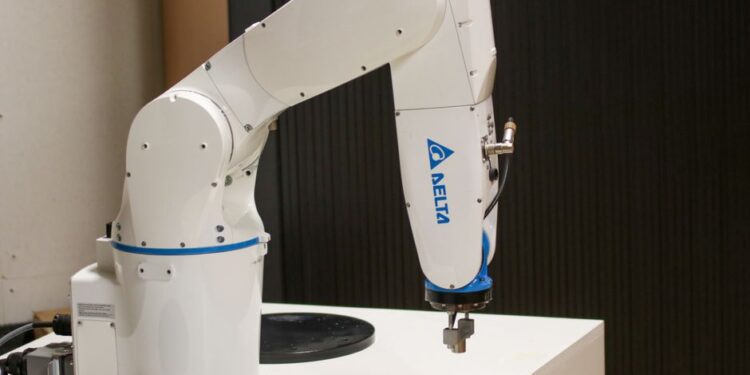
Perceptron, founded by former Meta scientists, has launched Isaac 0.5, a visual AI model designed to enhance manufacturing processes by enabling robots to perceive and act autonomously. This innovation is set to transform the manufacturing landscape, driving demand for new skills and reshaping workforce dynamics globally.

Two former Meta research scientists have launched a new visual AI model aimed at transforming manufacturing processes. The startup, Perceptron, introduced Isaac 0.5, a software that enhances how robots interact with their environments. This model seeks to revolutionize tasks on factory floors and in warehouses by allowing machines to perceive, reason, and act autonomously.
Founded in November 2024 by Armen Aghajanyan and Akshat Shrivastava, Perceptron aims to connect existing AI models with the practical needs of industrial environments. Unlike traditional AI systems that require extensive cloud resources, Isaac 0.5 can operate flexibly across various scenarios, which is essential as industries look to automate more complex operations.
Isaac 0.5 is built on extensive video training data, utilizing over a million hours of footage to teach the model about different physical tasks. This training includes both general video and ego video, which captures the perspective of individuals performing tasks. Such a comprehensive dataset enables the AI to learn not just to perform tasks but also to understand the context in which they occur. According to a report from TechCrunch, this capability is crucial for robots to navigate the complexities of modern manufacturing effectively.
The implications of this technology extend beyond efficiency improvements. By enabling robots to navigate complex environments and make real-time decisions, Isaac 0.5 could significantly reduce the time and labor costs associated with manual operations. As companies adopt this technology, they may need to rethink their workforce strategies and the skills required for their employees. The potential for increased productivity is substantial, as robots equipped with visual AI can undertake roles once deemed too complex for automation.
As companies adopt this technology, they may need to rethink their workforce strategies and the skills required for their employees.
Rising Demand for AI Skills in Manufacturing
As visual AI technology becomes more prevalent in manufacturing, the demand for skilled professionals in this area is expected to rise. Manufacturing engineers will need to develop new skills related to AI systems, particularly those focusing on visual data processing and machine learning. This shift may prompt educational institutions to revise their curricula to better prepare students for the evolving job market. Integrating visual AI into manufacturing is not solely about enhancing productivity; it also necessitates a workforce adept at working with advanced technologies.
You may also like
 Industry & Global Trends
US Solar Panel Makers Try to Catch China With a Big Leap
As of October 2026, US solar panel manufacturers are making significant strides in technology, particularly with tandem solar panels, to enhance efficiency and regain market…
Read More →Moreover, the integration of visual AI like Isaac 0.5 into factories is likely to significantly alter job roles. Traditional manufacturing positions may evolve into more technology-focused roles that require a solid understanding of AI and robotics. Engineers will need to collaborate closely with AI developers to ensure these systems are effectively deployed in real-world applications. As highlighted by Xe, adopting such technologies could lead to a reallocation of resources within companies, emphasizing the need for a workforce that can adapt to these changes.
Perceptron’s approach to visual AI underscores the importance of flexibility in AI models. The ability to adapt to different environments and tasks means engineers will need to be skilled in customizing AI solutions for specific needs. This adaptability will be crucial for professionals aiming to remain relevant in the industry. As manufacturing embraces these advancements, workers with expertise in AI and robotics will likely be in high demand. Companies that invest in training their workforce to understand and implement visual AI technologies will gain a competitive edge in the rapidly changing market.
Broader Implications for the Manufacturing Sector
The launch of Isaac 0.5 represents not just a technological milestone but also a broader trend toward automation and AI integration across various sectors. Industries such as logistics, warehousing, and security are beginning to adopt similar technologies to enhance operational efficiency. As AI continues to penetrate different markets, the overall work landscape is expected to change dramatically. Insights from Perceptron’s innovations suggest that the future of manufacturing will blend human expertise with AI capabilities, leading to more efficient and innovative production methods.
Perceptron is positioning itself at the forefront of this change, with Isaac 0.5 ready for deployment across various industries. The potential applications of this technology are vast. As companies integrate AI into their operations, they may experience significant improvements in productivity and cost savings. This shift could also lead to new business models that leverage AI capabilities to offer previously impossible services. However, transitioning to AI-driven operations presents challenges, including addressing potential job displacement as automation takes over tasks once performed by human workers. Balancing technology for efficiency while maintaining a skilled workforce will be a critical issue for industry leaders.
As highlighted by Xe, adopting such technologies could lead to a reallocation of resources within companies, emphasizing the need for a workforce that can adapt to these changes.
As visual AI continues to evolve, stakeholders in the manufacturing sector must stay informed about technological advancements. Understanding the capabilities and limitations of these systems will be crucial for making informed decisions about their implementation. The introduction of visual AI into manufacturing processes marks a significant step forward in automation. As industries adapt, the future of work in manufacturing will likely see a blend of human expertise and AI capabilities. How companies navigate this transition will shape the manufacturing landscape in the years to come.
You may also like
 Industry & Global Trends
Škoda Auto India Aims for Record Sales Growth
Škoda Auto India is targeting an 8-10% growth in sales for the current year, aiming to achieve its highest-ever sales volume.
Read More →