No products in the cart.

JSW Group Halts Odisha Battery Plant Amid LFP Challenges
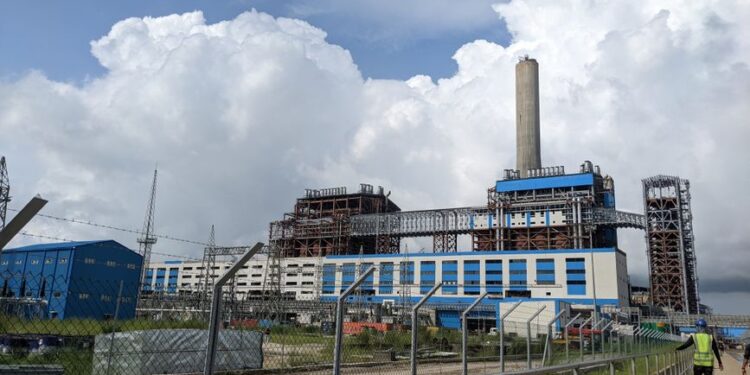
JSW Group's decision to pause its Odisha battery manufacturing project highlights significant challenges in India's battery sector, particularly in securing advanced lithium iron phosphate (LFP) technology.

India — JSW Group has announced a halt to its planned battery manufacturing plant in Odisha. This decision is mainly due to difficulties in securing lithium iron phosphate (LFP) technology. Parth Jindal, the Director of JSW MG Motor India, made this announcement on August 26, 2026. The company had signed a memorandum of understanding with the Odisha government in February 2024 to invest ₹40,000 crore in a 50 GWh electric vehicle battery facility.
This project halt highlights the broader challenges in India’s battery manufacturing sector. One major issue is the availability of advanced battery technology. Jindal pointed out that Chinese firms control most of the technology needed to produce LFP cells. This makes it hard for Indian companies to form partnerships. The situation has serious implications for battery technology engineers and supply chain managers.
Challenges in LFP Technology Adoption
LFP technology is essential for making electric vehicle batteries, known for their safety and longevity. However, most advanced LFP technology is held by manufacturers in China. Jindal compared these companies’ control over technology to a guarded weapon. This makes it tough for Indian firms like JSW to innovate and expand their battery production. A report by The Hindu states that the lack of access to this critical technology raises concerns about India’s goal to become a global leader in electric vehicle manufacturing.
Career Ahead’s analysis shows that the challenges in accessing LFP technology affect not just JSW but also reflect a systemic issue in India’s battery manufacturing ecosystem. As the country works to improve its electric vehicle infrastructure, reliance on foreign technology could slow growth. This situation may delay project timelines for many engineers involved in battery technology development. The Indian government is promoting electric vehicles and aims for a significant shift to clean energy. However, without local manufacturing capabilities for critical technologies like LFP, these ambitions could fail.
The halt may also impact the job market in the battery manufacturing sector. Engineers specializing in battery technology might face uncertainty as projects are paused or scaled back. We could see a slowdown in hiring, especially for roles focused on battery cell development. The International Energy Agency predicts that global demand for electric vehicle batteries will rise sharply in the coming years. This makes the current situation even more urgent for India’s workforce.
As the country works to improve its electric vehicle infrastructure, reliance on foreign technology could slow growth.
You may also like
 Industry & Global Trends
AI Talent Race Between US and China Is the Next Battleground
The competition for AI talent between the US and China is growing, with significant implications for job opportunities and recruitment strategies in the field. The…
Read More →As supply chain managers rethink their strategies, they must consider the implications of this technology gap. Finding alternative sourcing strategies is crucial in an increasingly competitive market. Companies may need to diversify their partnerships beyond traditional suppliers to reduce risks related to technology access. This could lead to a reevaluation of existing supply chains and the formation of new collaborations that focus on local innovation and technology development.
Implications for the Indian Battery Industry
The pause on the JSW battery plant is a significant development for the Indian battery industry. The Indian government has been actively promoting electric vehicles, aiming for a major transition to clean energy. However, without local manufacturing capabilities for key technologies like LFP, these ambitions may falter. The halt of the JSW project raises questions about the effectiveness of policies aimed at creating a self-reliant battery manufacturing ecosystem. This could prompt a reassessment of government strategies to attract foreign technology partners.
Additionally, the Indian government has pushed for policies that encourage domestic manufacturing of electric vehicle components. JSW’s inability to proceed with its plant raises concerns about the effectiveness of these policies. This situation may influence investment decisions in the sector. Investors typically seek stability and growth potential. Uncertainty about technology availability could deter future investments in battery manufacturing, slowing down innovation and development in India’s electric vehicle ecosystem.
As the industry faces these challenges, battery technology engineers will need to adapt. The demand for innovative solutions will remain high. However, engineers may need to focus on developing alternative technologies or improving existing ones to meet market needs. The current situation highlights the urgency for Indian firms to invest in research and development to create local solutions that can compete globally.
Career Ahead’s insights suggest that the coming months will be critical for the industry.
Given the current circumstances, supply chain managers must rethink their sourcing strategies. Relying solely on foreign technology is no longer viable. Exploring local collaborations and investing in research and development could help overcome current limitations. As noted by The Hindu, the JSW Group’s decision reflects broader industry issues that could hinder the growth of the electric vehicle market.
The future of battery manufacturing in India is uncertain. The JSW Group’s decision highlights broader challenges in the industry. The issues surrounding LFP technology access indicate a larger problem that could impede the growth of the electric vehicle market. As companies and engineers deal with these constraints, the focus must shift toward innovation and collaboration. Career Ahead’s insights suggest that the coming months will be critical for the industry. Companies must work harder to secure technology partnerships and invest in developing local solutions. The ability to adapt quickly will determine which firms can succeed in this changing landscape.
You may also like
 Industry & Global Trends
Hormuz Crude Oil Exports Near Pre-War Levels
The return to pre-war export levels is crucial as it indicates a stabilization in the oil market. Producers and shipping industries have adapted by employing…
Read More →Looking ahead, local battery production depends on forming strong technology partnerships. As firms like JSW seek viable collaborations, the industry must stay alert to emerging trends and technological advancements. The challenge will be balancing immediate needs with long-term strategic goals. With the global focus on sustainability and clean energy, India must enhance its battery manufacturing capabilities. Navigating these complexities will be key for engineers and supply chain managers as they strive to position India as a leader in the electric vehicle market.
The question remains: will Indian companies secure the necessary technology to advance the battery manufacturing sector, or will they face ongoing obstacles that hinder progress?
Frequently Asked Questions
What are the implications of JSW’s battery plant delay for battery technology engineers?
Career Ahead analysis shows that battery technology engineers may face project delays and slower hiring as companies reassess their strategies due to the halted JSW project. This uncertainty could lead to a more cautious approach in the industry regarding new developments.
Career Ahead analysis shows that battery technology engineers may face project delays and slower hiring as companies reassess their strategies due to the halted JSW project.
How should supply chain managers adjust their strategies following JSW’s decision?
Supply chain managers need to explore alternative sourcing strategies and partnerships to reduce risks related to technology access. The halt of the JSW project highlights the need for diversification in supply chains to ensure stability and resilience.

What are the key challenges in LFP technology that engineers should be aware of?
Engineers should know that LFP technology is currently dominated by Chinese manufacturers, limiting access for Indian firms. This reliance on foreign technology poses challenges for local production capabilities and may hinder the growth of the electric vehicle market in India.
You may also like
 Industry & Global Trends
Man Charged
A US national has been charged with illegally exporting Nvidia chips to China, raising significant compliance and legal concerns in the semiconductor industry.
Read More →