Nursing Informatics <a href="https://careeraheadonline.com/the-double-bind-of-intergenerational-parenting-structural-pressures-on-careers-and-social-capital/" class="ca-internal-link" data-target-id="100624">careers</a>: A Growing Field
The Digital Revolution in Healthcare: A New Frontier for Nurses
Nurses make up about 54% of Australia’s health workforce, placing them at the center of a digital transformation. Electronic health records (EHRs), wearable monitoring devices, and AI analytics are now essential to clinical practice. By 2025, most routine tasks like order entry and discharge planning will rely on software that requires both clinical skills and data literacy. The Australian Primary Health Care Nurses Association stresses that technology should enhance the nurse-patient relationship, allowing for real-time insights while maintaining empathy. This shift creates a unique role for nursing informatics specialists, who bridge the gap between patient care and technology.
High-Demand Roles in Nursing Informatics
The growth of digital health has led to various specialized roles that combine nursing knowledge with technical skills. Here are some of the most in-demand positions:
Electronic Health Record (EHR) Analyst
EHR analysts align clinical workflows with software, improve documentation templates, and fix interoperability issues. Their work is crucial for maintaining data integrity, which impacts patient safety and research.
Clinical Decision Support (CDS) Specialist
CDS specialists develop alerts and treatment pathways that assist clinicians at the point of care, helping to reduce medication errors and standardize protocols.
Their work is crucial for maintaining data integrity, which impacts patient safety and research.
Telehealth Coordinator
These coordinators manage virtual care platforms, ensuring reliable connections and compliance with privacy laws. Their role is vital as remote consultations become a standard part of care.
Mobile Health (mHealth) Application Developer
mHealth developers create user-friendly apps that allow patients to log symptoms, schedule appointments, and access educational materials, extending nursing care beyond hospitals.
AI & Machine-Learning Engineer
AI engineers use predictive models to identify high-risk patients and optimize resources. Their work transforms clinical data into actionable insights, which health systems value highly.
The U.S. Office of the National Coordinator for Health Information Technology predicts a 20% growth in nursing informatics jobs by 2028, with a median salary around $85,000 (USD), likely increasing as demand rises.[1]
To enter nursing informatics, candidates typically need advanced education, technical skills, and clinical experience. Here’s a roadmap to success:
Academic Foundations
Master’s degree in Nursing Informatics or Health Informatics. Programs cover data governance, systems design, and change management.
Graduate certificates. Short programs like “EHR Optimization” help clinicians upgrade skills without a full master’s.
Certification. Credentials like CPHIMS or RN-BC demonstrate expertise to employers.[2]
Technical Skills
Data analysis. Skills in SQL, R, or Python help nurses analyze clinical data and create reports.
Programming knowledge. Familiarity with scripting languages like JavaScript aids in customizing tools.
Experience with vendor platforms. Knowledge of systems like Epic or Cerner is often required.
Successful informaticists commit to continuous learning, attending webinars and workshops to keep up with new technologies.
Challenges in Nursing Informatics
Despite a positive outlook, nursing informatics faces several challenges:
Pathways to Success: Education and Skills To enter nursing informatics, candidates typically need advanced education, technical skills, and clinical experience.
Change resistance. Staff may resist new systems, requiring informaticists to educate and advocate for change.
Data privacy issues. Compliance with regulations like the Australian Privacy Principles and HIPAA complicates system design.
Resource limitations. Smaller hospitals may lack dedicated informatics teams, forcing nurses to balance clinical and tech duties.
Skill shortages. Rapid advancements in AI can outpace current educational programs, leading to talent gaps.
Overcoming these challenges requires strong interpersonal skills and collaboration with IT departments.
Strategies for Success
To thrive in nursing informatics, professionals should adopt a proactive approach.
Stay Updated on Trends
Explore new technologies like blockchain and AI for clinical documentation. Attend industry conferences to enhance your skills.
Enhance Analytical Skills
Participate in simulations that translate clinical scenarios into system requirements, crucial for effective CDS development.
Build Professional Networks
Join organizations like the Australian Primary Health Care Nurses Association or HIMSS for mentorship and job opportunities.
Enhance Analytical Skills
Participate in simulations that translate clinical scenarios into system requirements, crucial for effective CDS development.
David Robinson's resignation from OpenAI raises alarms about the company's culture and its implications for AI safety practices, highlighting urgent ethical challenges in the rapidly…
Renew certifications in health IT or project management to show dedication and improve career prospects.
The Future of Nursing Informatics Careers
Three key trends will shape the future of nursing informatics:
AI-driven decision support. Predictive models will become essential clinical tools, requiring validation of their fairness and usability.
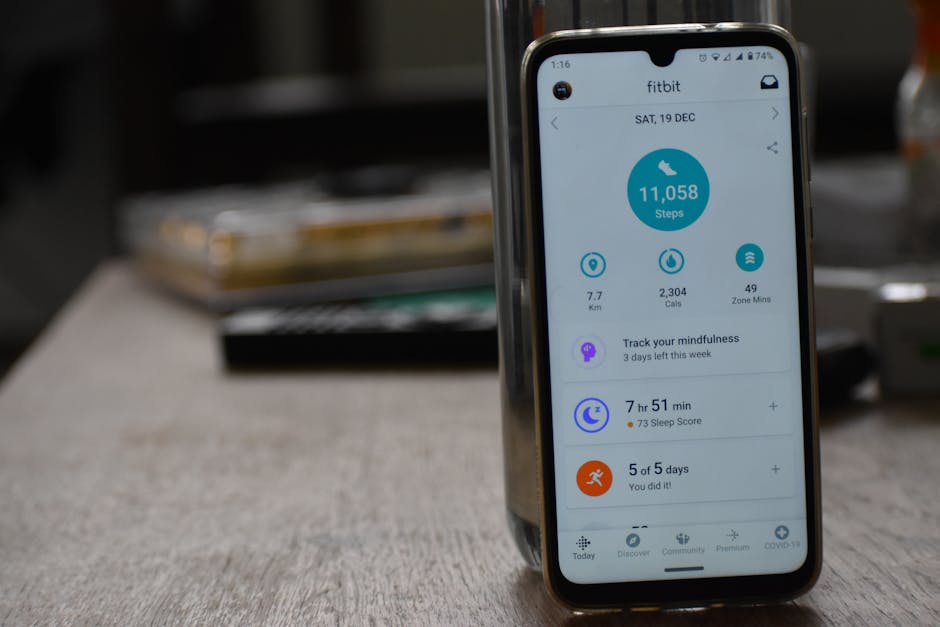
Patient-generated health data. Devices will continuously feed data into EHRs, necessitating advanced data integration.
Interoperability requirements. Standards like TEFCA will push health systems to adopt uniform data-sharing protocols, positioning nurses as policy influencers.
By 2028, salaries in nursing informatics are expected to rise by about 10%, reflecting the value of professionals who can navigate these complexities.[1]




 AI & Technology
AI & Technology